The Dark Side of Safari Popularity: Overtourism Threatens Africa's Wildlife
Trundling through untamed wilderness under the blazing African sun represents a dream journey for countless travelers. Iconic destinations like Kenya's Masai Mara, Tanzania's Serengeti, and the Ngorongoro Crater have become globally renowned for offering unparalleled opportunities to witness lions, giraffes, elephants, and countless other magnificent creatures in their natural habitats. However, as safari adventures have exploded in popularity, fueled significantly by social media trends and influencer promotions, a troubling phenomenon has emerged: overtourism is now threatening the very ecosystems and communities that make these experiences possible.
Social Media's Double-Edged Sword
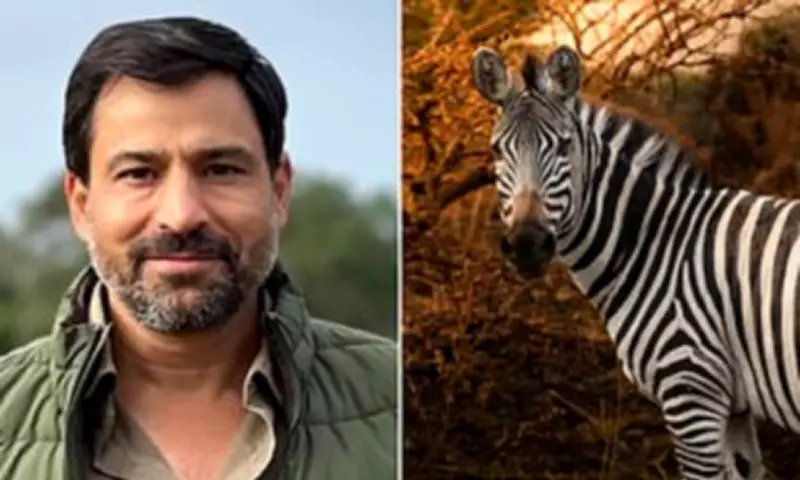
Disturbing footage circulating online reveals hordes of game viewer vehicles packed tightly along dusty tracks, with tourists leaning precariously to capture the perfect photograph. This visual evidence highlights how mass tourism is transforming pristine landscapes. Dr. Mohanjeet Brar, managing director of Gamewatchers Safaris and Porini Camps in Kenya, states unequivocally that overtourism "is one of the biggest threats to wildlife today." The trendiness of safaris, amplified by social media influencers, has created numerous ecological problems. Dr. Brar explains, "Too many camps and lodges crowded into the same area lead to reduction in key wildlife habitat, blocking migration points and corridors while increasing negative environmental impacts."
While acknowledging that online platforms can positively raise conservation awareness, Dr. Brar warns they also encourage excessive visitor numbers "chasing sightings for social media." This behavior, he insists, "erodes animal behavior and guest experience alike." The fundamental issue, according to the expert, is that "wildlife doesn’t need fame. It needs space." Africa's most popular destinations, including South Africa's Kruger National Park, have witnessed tourist numbers swell dramatically, resulting in regular 4x4 traffic jams across savannas.

The Path to Ethical Safari Experiences
So can a safari ever be truly ethical? Dr. Brar asserts this is only possible "if ethics are built into the model, not added on as marketing." An ethical safari, he explains, actively protects wildlife habitats, pays local landowners fairly, employs people from surrounding communities, and strictly limits environmental impact. "It means wildlife comes first, communities are genuine partners, and tourism income directly funds conservation rather than displacing it," he emphasizes.
Dr. Brar's own company operates exclusively on community-owned land leased from Maasai families, helping protect habitats while providing economic benefits. "Tourism only works ethically when it gives communities a strong economic reason to keep land wild," he observes. For travelers seeking responsible options, several indicators distinguish ethical operators:
- Operation on community or conservancy land rather than just inside national parks
- Direct lease payments or revenue sharing with landowners
- Training and employment of local guides, staff, and managers
- Smaller camp sizes creating less pressure on wildlife
- Clear explanations of how communities benefit financially
- Proper accreditation and conservation commitments
Dr. Brar cautions that "if an operator can't clearly explain how communities benefit, that's a red flag." Regarding budget considerations, he warns that "ultra-cheap safaris often cut corners somewhere – usually on conservation or people," since genuine ethical operations involve real costs for land leases, rangers, anti-poaching efforts, and community payments.

Preserving the Magic of Wilderness Encounters
The dry season between April and October remains popular as animals gather near waterholes, but travelers can reduce costs by visiting during off-peak periods and choosing simpler camps over luxurious lodges. Dr. Brar reflects that his most memorable wildlife encounters were "often the quietest" – peacefully observing a leopard in Kenya's Ol Kinyei Conservancy, walking with Maasai guides and suddenly encountering giraffes at close range, or being recognized by a group of elephants in Selenkay after regular visits. "Those moments stay with you because they’re based on respect, not intrusion," he concludes, highlighting how sustainable tourism practices can preserve both wildlife and the profound experiences that draw visitors to Africa's wilderness.