The Great Ski Divide: Luxury Resorts Versus Affordable Hills
Once upon a time, in the snowy peaks of remote south-west Montana, skiers enjoyed a legendary bargain known as the "five-dollar day." For just $5, enthusiasts could experience a full day on the slopes, a deal so enticing it drew friends from Bozeman on a 44-mile journey to Big Sky Resort. Today, that same adventure at Big Sky costs a staggering $285, with prices at other US resorts like Vail and Park City exceeding $330. This steep increase excludes additional expenses such as transport, equipment, lodging, and meals, highlighting a dramatic shift in the skiing landscape over recent decades.
The Evolution of Skiing Culture and Costs
Skiing in the Rockies has splintered into vastly different worlds, driven not only by pricing but also by cultural changes. To understand this transformation, one must look beyond the numbers to the heart of skiing communities. Showdown Montana, located in the tiny town of Neihart, stands as the state's oldest continually operating ski area. With three chair lifts and a hometown vibe, it offers day lift tickets for $70, a stark contrast to luxury resorts.
When George Willett and Ted Cogswell purchased Showdown in 1973, adult tickets ranged from $4.50 to $5 daily. Willett recalls skiing in blue jeans and sweatshirts, a norm among a working-class clientele. "Most people went to work every day, so the rate matched what they could pay," he explains. Over the years, technology improved equipment and safety, but it also escalated costs, gradually pricing out many enthusiasts.

Technology and Affordability Challenges
Advancements in ski gear and resort operations have reshaped who can afford to participate. At Showdown, now family-owned with Willett's daughter Katie Boedecker at the helm, snow harvesting—moving snow with toboggans to cover bare terrain—was once a necessity during lean years. However, acquiring snow-making equipment is often prohibitive due to costs, water rights complexities, or unsuitable terrain. These technological investments inevitably impact ticket prices, pushing some hills toward luxury markets while others strive to remain accessible.
"The majority of us need a place that is not too expensive but can afford to keep the lights on," says Willett, emphasizing the balance between affordability and sustainability. His granddaughter, Avery Patrick, notes that Showdown raises day pass rates by $2–$5 annually to cover rising costs, yet they maintain a down-to-earth culture. For instance, cafeteria french fries cost $9, a trade-off to keep ski passes affordable, and guests are welcome to bring their own lunches—though crockpots are now banned.
Cultural Contrasts: Showdown Versus Big Sky
At Showdown, affordability is woven into the culture, with rituals like the Tunnel of Love, where staff thank guests at day's end. Boedecker's compassionate management fosters a sense of community, reflected in offerings like free oatmeal made "with love." Willett warns that while outside investors can bring benefits, corporate involvement risks losing the "humanness" of small ski hills.
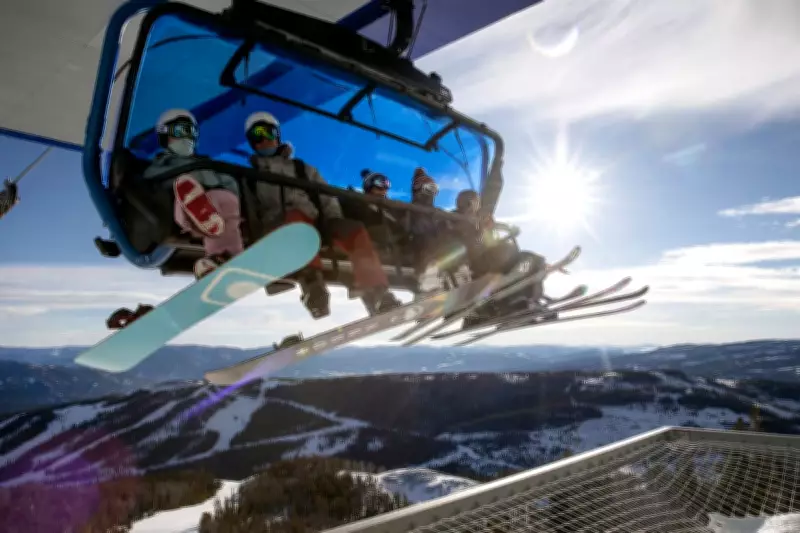
In contrast, Big Sky Resort, founded in 1973 and now owned by Boyne Resorts, spans 5,850 acres with 40 lifts and 300 trails, ranking as North America's third-largest ski area. Its culture is defined by luxury, with hotels like the One and Only charging up to $2,500 per night and exclusive clubs attracting elites like Mark Zuckerberg. Brad Niva, CEO of the Big Sky Chamber, acknowledges the resort's pivotal role, but locals like Mike Kasic criticize it as a "wealthy person's playground."
Jim Anderson, a former Showdown ski school director now teaching at Big Sky, observes the consequences of growth: "It has become so expensive and crowded, it's kind of priced locals out of skiing there." This encapsulates the central contradiction of modern skiing—the better it gets, the fewer can afford it. Yet, Anderson praises Big Sky's raw, real slopes and high-speed lifts, which offer unparalleled vertical skiing for committed enthusiasts.

Finding Balance in the Skiing World
For dedicated skiers, season passes can mitigate daily costs, while casual participants benefit from myriad discounts—early bird, military, senior, and more. Programs like Ski PE in Montana schools provide kids with deep discounts, fostering a love for the sport despite its expenses. Heather Nack-Culbreth, a 50-year-old skier at Showdown, exemplifies this prioritization, choosing skiing over other luxuries. "Different people prioritize different activities in their lives," she says, highlighting the personal sacrifices many make to hit the slopes.
As skiing continues to evolve, the divide between luxury resorts and affordable hills deepens, shaping not just prices but the very essence of the experience. Whether at a $300 mega-resort or a $70 local gem, the thrill of skiing remains, but access increasingly depends on one's wallet.