A female solo traveller has publicly identified the five destinations where she experienced the most significant feelings of insecurity during her journeys. While numerous accounts of negative travel experiences circulate online, often highlighting issues in regions like North Africa and the Middle East, for content creator Sarah Lim, her most troubling encounters all occurred within Western Europe.
Challenging the Perception of European Safety
Sarah Lim, an Asian traveller who documents her adventures on TikTok, has shared detailed accounts of the cities where she faced discomfort and danger. Despite Western Europe frequently being promoted as a secure and welcoming destination for tourists, Sarah's personal anecdotes suggest that the reality may not always align with this optimistic portrayal. Her experiences serve as a cautionary tale for other women considering independent travel across the continent.
Paris, France: The City of Love Loses Its Lustre
Topping Sarah's list is Paris, the romantic capital of France. She recounts being stalked at night during her initial visit and, on a subsequent trip, being chased by a group of men while in the company of five friends. Beyond these alarming incidents, Sarah notes that petty crime is pervasive in Paris, with bag-snatching and pickpocketing being particularly common occurrences that contribute to an atmosphere of vulnerability.

Brussels, Belgium: A Discomfort That Grows After Dark
In Brussels, Sarah describes a persistent sense of unease that intensified as evening fell. She observed numerous groups of men loitering in the city centre after nightfall, creating an environment she found deeply unsettling. This pervasive presence contributed to a feeling of insecurity that marred her experience in the Belgian capital.
Milan, Italy: Scams and Safety Concerns
Sarah's arrival in Milan, Italy's fashion hub, was nearly marred by an attempted scam, immediately colouring her perception of the city. Furthermore, she felt sufficiently unsafe walking through residential areas at night that she felt compelled to call male friends to escort her and a companion back to their accommodation. These experiences led her to include Milan among her least recommended destinations.
Barcelona, Spain: Constant Vigilance Required
While Sarah avoided major incidents in Barcelona, her stay was characterised by continuous anxiety about pickpockets. She maintained a state of high alert throughout her visit. Additionally, conversations with fellow Erasmus students revealed stories of stabbings and muggings, further reinforcing her concerns about personal safety in the Catalan capital.
Rome, Italy: A Tourist Hotspot for Scammers
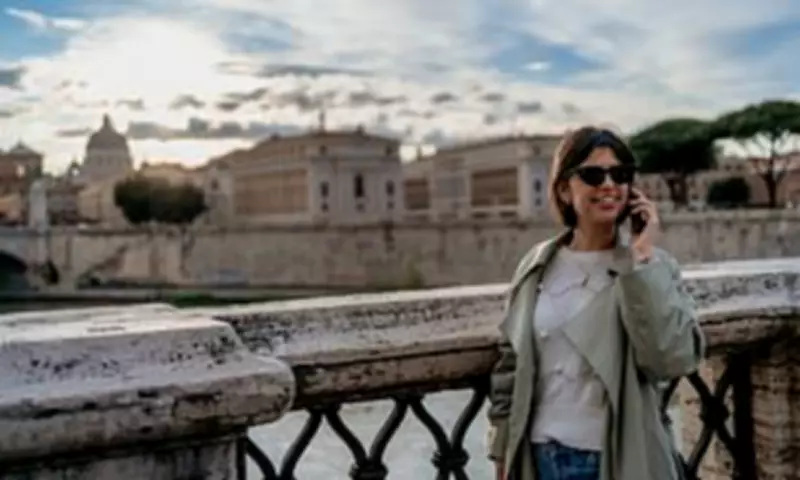
Completing Sarah's list is Rome, where she noted the city's extreme popularity with tourists appears to have attracted a correspondingly high number of scammers operating openly. She reports that pickpockets and snatch thieves are commonplace, echoing complaints from numerous other travellers who have criticised the Italian capital for its theft problems.
Sarah Lim's accounts provide a sobering perspective on solo female travel in Europe, highlighting that even in destinations widely considered safe, women may encounter significant security challenges that require heightened awareness and precaution.