Spanish Anti-Tourism Activists Prepare for Summer of Disruption
Anti-tourism activists in Spain are mobilising for another summer of potentially disruptive protests, with groups already planning demonstrations across popular holiday destinations like Mallorca. The Menys Turisme Mes Vida (Less Tourism, More Life) organisation is scheduled to hold a meeting this Friday to strategise their next steps in combating what they describe as 'overtourism'. In a recent press release, the group emphasised that the relentless rise of overtourism in Mallorca can only be addressed through grassroots community organisations.
Environmental Groups Join the Call for Action
Meanwhile, the Mallorca-based environmental group GOB has stated that calls for protests are justified, particularly given forecasts predicting a new record for tourist arrivals this summer. GOB expressed concern that the Spanish government 'has not done anything and will not do anything' to tackle the challenges posed by mass tourism. This warning of further disruption follows a series of widely-publicised anti-tourism protests across Spain last year, which left many British holidaymakers feeling unwelcome.
Recalling Last Year's Protests
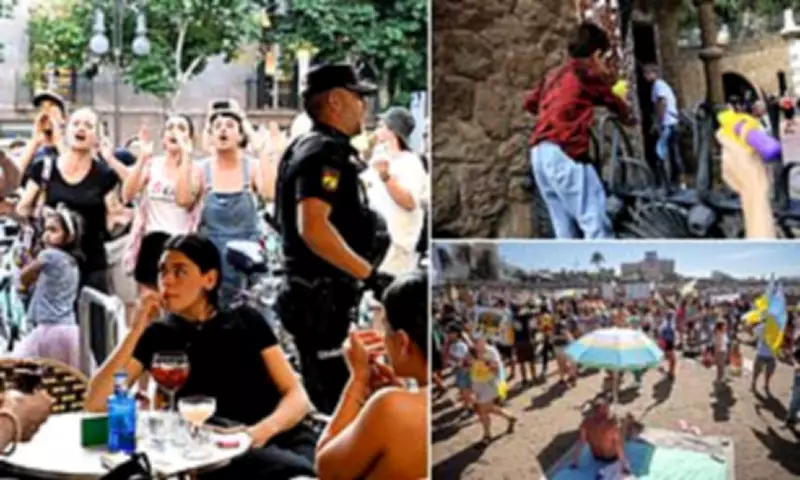
In May of last year, holidaymakers in the Canary Islands were forced to take shelter in hotels as anti-tourism protesters stormed the streets, disrupting the peaceful vacations of thousands of Britons abroad. Demonstrators marched under banners with slogans such as 'Canarias tiene un limite' (The Canaries has a limit) and chanted phrases like 'El dinero del turismo, donde está?' (The money from tourism, where is it?). Placards carried messages including 'Stop excessive tourism… this is our home' and 'My misery is your paradise'.

Another sign controversially read 'tourists swim in s**t', referencing the large volumes of sewage water allegedly dumped into the sea, which activists claim primarily originates from hotels and tourist accommodations. Similar protests occurred throughout the spring and summer in other parts of Spain. For instance, in April last year, locals in Barcelona fired water pistols at a tour bus outside the iconic Sagrada Familia.
Recent Demonstrations and Local Grievances
In 2024, anti-tourism protesters armed with banners and placards stormed a party beach in Mallorca. Photos from the demonstration showed activists holding signs with slogans such as 'tourists go home' and 'let's occupy our beaches'. The group of around one hundred activists directed their protest towards beachgoers sunbathing on the sandy stretch during the march. Campaign group Majorca Platja Tour dominated Balneario 6 beach, located in Playa de Palma, an area they selected due to its notoriety for drunkenness and disorder.
Marches by anti-tourist activists have become a recurring feature across Spain in recent summers, with locals accusing 'low quality' visitors of flocking to the country. Campaigners have blamed high visitor numbers for exacerbating problems like the rising cost of living and a severe lack of affordable housing for residents. In April, demonstrations took place in major Spanish cities including Madrid, Barcelona, Malaga, and Palma de Mallorca, with furious locals demanding solutions to a housing crisis they attribute to mass tourism.
Economic Impact of Tourism Protests
The latest warnings from anti-tourism activists come despite a sharp slump in Spain's tourism industry following last summer's wave of protests. This downturn, driven by weaker spending from European and American visitors, is partly blamed on the demonstrations, which many believe have 'scared off' potential travellers. Industry group Exceltur reported on Tuesday that growth in Spain's tourism sector has declined, warning that the industry's contribution to this year's economic growth will be weaker than anticipated.

Exceltur now expects all tourism-related activity in Spain, the world's second most-visited country, to grow by only 2.8% in 2025. This is a downward revision from the 3.3% growth estimated in July and a significant drop from last year's 5.5% expansion. The group estimates that the tourism industry will contribute 13.1% to Spain's gross domestic product this year, below its initial forecast of 13.5%. Exceltur Vice President Oscar Perelli stated at a news conference, 'Tourism is no longer the main dynamiser of the Spanish economy,' adding that the sector will no longer far exceed Spain's expected economic growth of 2.6%.
Tourist Numbers and Spending Trends
The number of international tourists may fall short of the 100 million projected by the World Travel and Tourism Council earlier this year. Last year, Spain registered a record 94 million tourists. By August this year, 66.8 million tourists had arrived, marking a 3.9% increase from the same period last year. Spanish Tourism Minister Jordi Hereu commented, 'I don't know if we will reach' the 100 million tourist mark, though he noted this was not a cause for concern as tourist spending continues to rise.
However, sales across hotels, airlines, restaurants, and other tourism-related businesses rose by just 2.8% during the high summer season, a notable drop from the 6.3% growth recorded in the same period last year. Exceltur expects sales to rise by 2% in the fourth quarter. The slowing growth is linked to weaker spending by tourists from Germany, France, Turkey, and the United States. An increase in visitors from Britain, which accounts for 26.5% of total tourists, along with those from China and Poland, helped offset this trend during the peak season, while the number of domestic tourists remained unchanged.