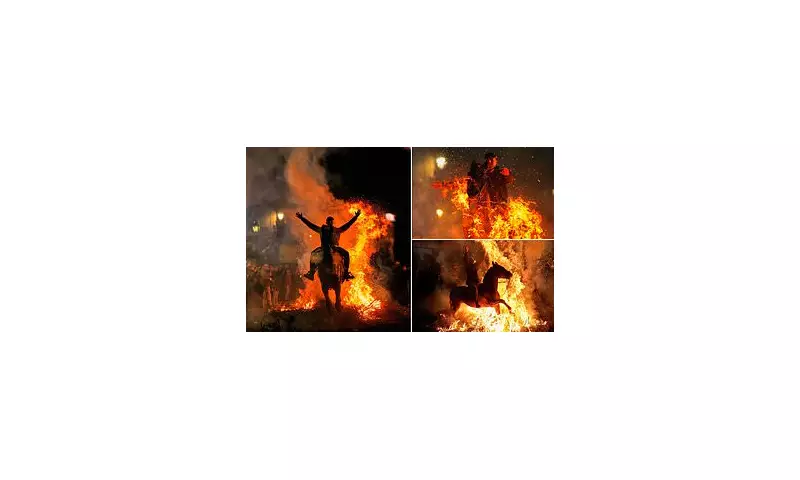
This weekend, Spain presented two starkly different visions of honouring its patron saint of animals, from blazing bonfires in a tiny village to serene church blessings in the capital.
Flames in the Night: The Purifying Spectacle of Las Luminarias
As darkness fell on Friday, January 16, 2026, the remote village of San Bartolomé de Pinares prepared for its annual fiery spectacle. With a population of just 500, this community located 60 miles outside Madrid comes alive for Las Luminarias, a centuries-old tradition dedicated to St. Anthony the Abbott.
Locals stacked giant piles of tree branches along the streets, sharing wine, beer, and sweets in anticipation. Hours later, these stacks were set ablaze, creating a corridor of menacing flames. Riders then guided their horses through and over the bonfires, in an act believed to purify the animals and ensure their health for the coming year.

"In the old days, it was held because it was believed that the branches and the smoke blessed the horses and donkeys, which were used for farming, as a form of healing," explained 62-year-old attendee Antonio Patricio. He added that the ritual was thought to prevent illness and keep the animals fit for work in the fields.
Preparation and Protection Amidst the Fire
In the hours before the event, riders took careful precautions. They wrapped their horses' tails in fire-resistant tape, braided manes, and some applied a protective glaze to prevent burning. The animals were also adorned for the occasion, with ribbons and decorative headpieces adding a festive, if surreal, touch to the dangerous rite.
The tradition, locals say, began centuries ago after a mysterious illness swept through the village's livestock. People came to believe that the smoke could purify and heal the horses. Today, attendees return home in the early hours with clothes and hair reeking of smoke—a small price for a night that, in Spain's emptying countryside, brings family, friends, and onlookers together.
A Quieter Blessing: Holy Water for Pets in Madrid
The following morning, Saturday, January 17, presented a stark contrast. In Madrid and other towns across Spain, pet owners observed St. Anthony's Day with a far gentler ritual. They queued patiently outside churches, such as St. Anthony's in central Madrid, to have their dogs and cats blessed with holy water.
This sprinkling is also believed to grant the animals health and protection for the year ahead. Many dogs wore winter vests against the cold, while cats often appeared bewildered by the unusual outing.
"I'm happy to be able to do it," said Madrid resident Rosa Gómez, holding her pointy-eared dog, Kia. "She is a little dog that was given to us six years ago by a family that couldn't take care of her, so we adopted her, and since then she has kept us great company."
Controversy and Continuity
The dramatic Las Luminarias event has long drawn criticism from animal rights groups concerned for the horses' welfare. However, villagers insist the animals are rarely, if ever, injured during the carefully managed spectacle.
These contrasting traditions—one a roaring, public trial by fire, the other a quiet, personal church blessing—highlight the diverse ways communities preserve their heritage. Both acts serve the same fundamental purpose: seeking well-being for the creatures that share their lives, rooted in a faith that has endured for generations.