

Split Introduces Strict Nighttime Alcohol Sales Ban
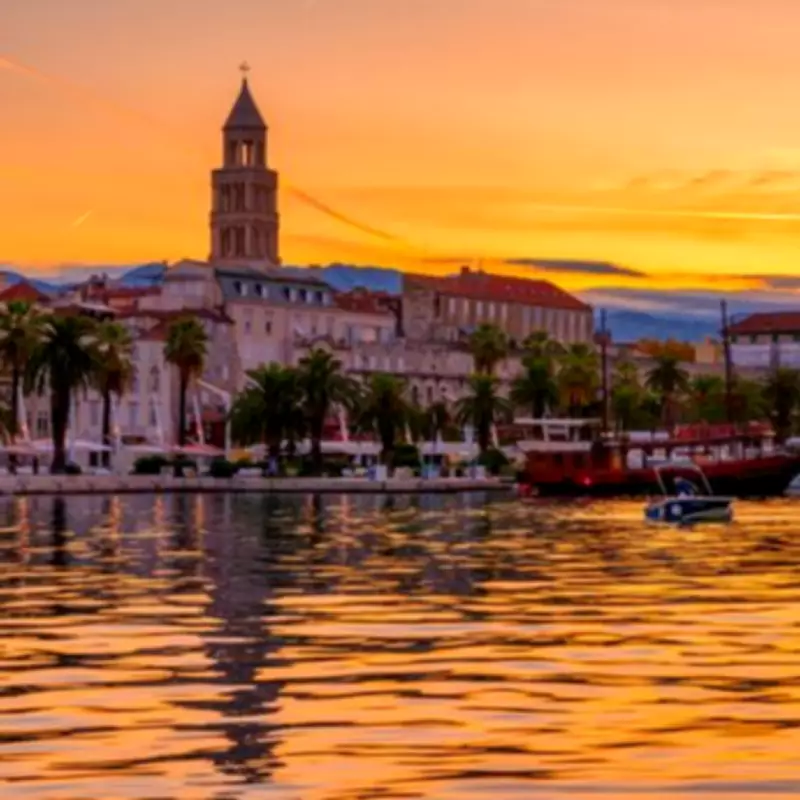
The sun-drenched Croatian city of Split, a favourite destination for British holidaymakers, has taken a decisive step to curb excessive drinking among tourists by implementing a ban on alcohol sales in shops and liquor stores after 8pm. This groundbreaking measure, proposed by Mayor Tomislav Šuta, makes Split the first city in Croatia to enforce such restrictions, specifically targeting problematic areas in the historic centre where scenes of drunken visitors have been deemed "unacceptable."
Targeting Problem Zones
The new regulations, set to commence this summer, will restrict late-night alcohol sales from 8pm to 6am in zones with a high concentration of clubs, bars, and all-night shops. Mayor Šuta emphasised that these areas have seen situations that "impair the safety and quality of life of tenants," prompting the city to act. While the initial focus is on the city centre, authorities have not ruled out extending the rules to other parts of Split in the future.
It is important to note that the ban applies only to grocery stores and liquor shops, not to licensed venues such as clubs and restaurants. This means visitors will still be able to enjoy alcoholic beverages in these establishments after 8pm, ensuring the nightlife economy is not entirely stifled.

Rebranding Croatian Tourism
The move has been welcomed by some in the tourism industry as part of a broader effort to shift Croatia's image away from a "party destination." Darijo Šarić, CEO of luxury villa rental agency VIP Holiday Booker, stated that Croatian tourism is actively rebranding to focus on cultural heritage, natural beauty, and family-friendly environments rather than encouraging excessive partying.
"These measures are designed to encourage responsible drinking rather than to stop the fun," Šarić explained. "Everyone wants visitors to Split to have an unforgettable experience, but we also don’t want residents to feel like the city is a 24-hour party zone. By drinking responsibly and respecting local customs, you help us keep Croatia a cherished, safe, and welcoming destination for everyone."
Broader Context of Overtourism
Split's alcohol ban is not an isolated incident in Croatia's efforts to manage overtourism and antisocial behaviour. Last year, the island of Hvar—known as a "party island"—voted to maintain strict summer noise restrictions, limiting noise to 85 decibels despite pushback from local businesses. Similarly, Dubrovnik has implemented measures to protect its 1,400-year-old Old Town, including reducing cruise ship numbers, staggering arrivals, and cutting street vendor numbers by 70%.
A camera system now monitors visitor counts in Dubrovnik's Old Town, with a "maximum comfortable limit" of 11,297 people per day, as determined by a University of Dubrovnik study. These initiatives reflect a growing trend among Croatian destinations to balance tourism revenue with resident well-being and cultural preservation.
The nighttime alcohol sales ban in Split represents a significant policy shift aimed at fostering a more sustainable and respectful tourism model. As Croatia continues to attract millions of visitors annually, such measures highlight the ongoing challenge of maintaining the charm and safety of its historic cities while accommodating the economic benefits of tourism.






