Nestled within the lush, mountainous terrain of Papua New Guinea's highlands, a quiet tourism revolution is challenging the region's long-standing reputation for danger. Operators are successfully offering international visitors unparalleled access to pristine scenery, rich indigenous culture, and adventure, all while navigating complex local dynamics.
Lodges Forge a Path in Hela and Western Provinces
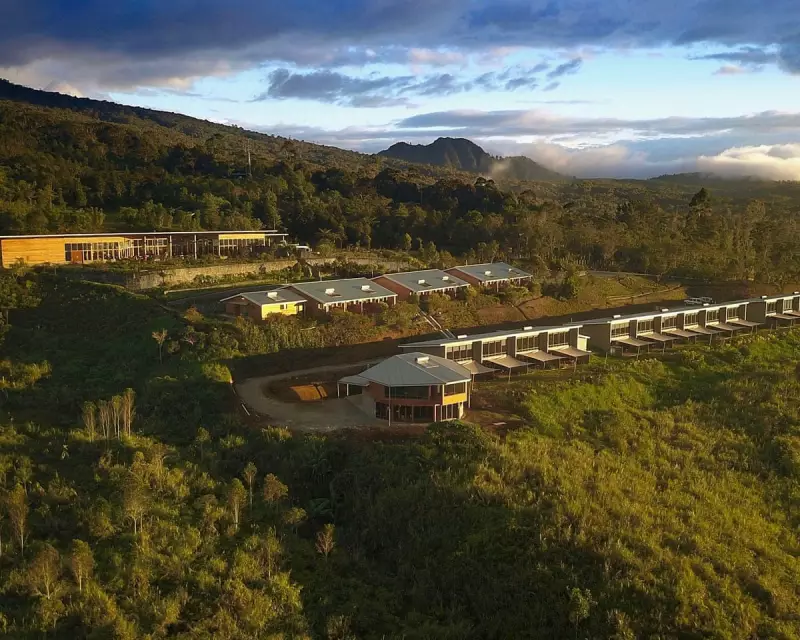
In Hela province, an area often marked by tribal conflict and poverty, the Ambua Lodge has carved out a successful niche over four decades. The lodge, featuring thatched-roof rooms overlooking verdant valleys, has welcomed tens of thousands of global visitors, drawn by the famous Huli Wigmen, exceptional birdwatching, and nature trails.
Jayesh Naduvil from Trans Niugini Tours, which manages the property, emphasises that guests have not faced law and order issues. "None of our clients ever had any law and order issues, as all our drivers, guides are from the community and are usually aware if there are any issues and avoid the areas," he stated. This local knowledge is key to ensuring safety.

Prime Minister James Marape visited Ambua Lodge in December, highlighting its 40 years of "safe and successful investment" and encouraging others not to be deterred by negative perceptions.
Further east, Trans Niugini also operates Rondon Ridge in the Western Highlands, a luxury hotel developed in partnership with the local Melpa tribe. The tribe, deeply connected to millennia-old traditions, proactively sought tourism development after witnessing its benefits elsewhere.
Betty's Place: An Authentic Highland Base for Mount Wilhelm
Roughly 250km east of Hela, in Chimbu province, lies Betty's Place, a family-run hotel serving as the primary base for climbers tackling PNG's highest peak, Mount Wilhelm. Founded by Betty and her Australian husband Kenneth Higgins in the 1990s after they took in passing climbers, the operation faced immense initial challenges with no roads, electricity, or water supply.
Now run by their daughter Ruth, the lodge uses generators and satellite internet to function. "We promote authentic culture … the culture we still practice today," says Ruth, who highlights endemic bird species and high-altitude orchids. American visitor Robert Mads Anderson described it as a "magical place in the midst of a whole lot of wilderness."
While this area faces different challenges, including general crime, Ruth Higgins confirms law and order around the lodge is not a problem. She stresses the economic benefits for locals who work as guides but calls for more government support to overcome infrastructural hurdles like reliable power and water.
A 'Sleeping Giant' Awakens with Growing Visitor Numbers
The broader sector is showing promising growth. According to the Pacific Tourism Organisation, international visitor numbers to PNG grew by 9.3% in the first half of 2025. The majority of tourists come from Australia (39%) and Asia (35%).
Papua New Guinea's Tourism Minister, Belden Namah, has labelled the industry a "sleeping giant" with deep potential, calling it a "pot of gold that remains unexplored." He advocates for increased funding to unlock this potential, recognising tourism's power to provide alternative livelihoods and showcase the nation's cultural and natural heritage beyond the headlines of conflict.
Operators like those at Ambua Lodge, Rondon Ridge, and Betty's Place are at the forefront, demonstrating that with community involvement and careful management, the highlands can offer a safe and profoundly rewarding destination, changing perceptions one visitor at a time.