A provocative new travel guidebook is set for publication this month, actively encouraging British tourists to consider visiting Afghanistan, a country that has been largely absent from mainstream tourism for decades due to ongoing conflict and security concerns.
First Guide in Two Decades
Publisher Bradt is releasing the first comprehensive Afghanistan travel guide in twenty years, marking a bold attempt to reintroduce the war-torn nation to adventurous travellers. The guide, priced at £24.99 and scheduled for release on February 20, represents a significant departure from conventional travel publishing given current Foreign Office advice.
Author's Perspective
Author James Willcox, who co-wrote the guide with Dana Facaros, expressed optimism about travel possibilities in Afghanistan. "Nearly all of Afghanistan can currently be visited and, with the right preparation, an inspiring range of trips is possible," Willcox stated. "We've tried to bring together an invaluable resource which gives readers a good grounding in Afghanistan's history and culture, along with the practical information they need to get there, get around and enjoy this much misunderstood country."

Historical Context and Modern Reality
Once a key destination on the hippie trail during the 1960s and 1970s, Afghanistan has become better known in recent decades for conflict, Taliban rule, and as the former hideout of 9/11 mastermind Osama Bin Laden. The country faces numerous challenges for visitors, including extreme temperatures ranging from 50°C in summer to -25°C in winter, and strict prohibitions on alcohol, though beer can reportedly be obtained on Kabul's black market.
Guidebook Contents
The comprehensive guide covers numerous Afghan landmarks and experiences, including:
- The legendary Khyber Pass, a historically significant mountain passage
- Mountain trekking opportunities with nomadic communities
- The traditional goat-related sport of buzkashi
- The riverside Minaret of Jam, a 12th-century structure located 14 hours from the nearest paved road
- The Niches of Bamiyan, where Buddha statues stood before their destruction by the Taliban
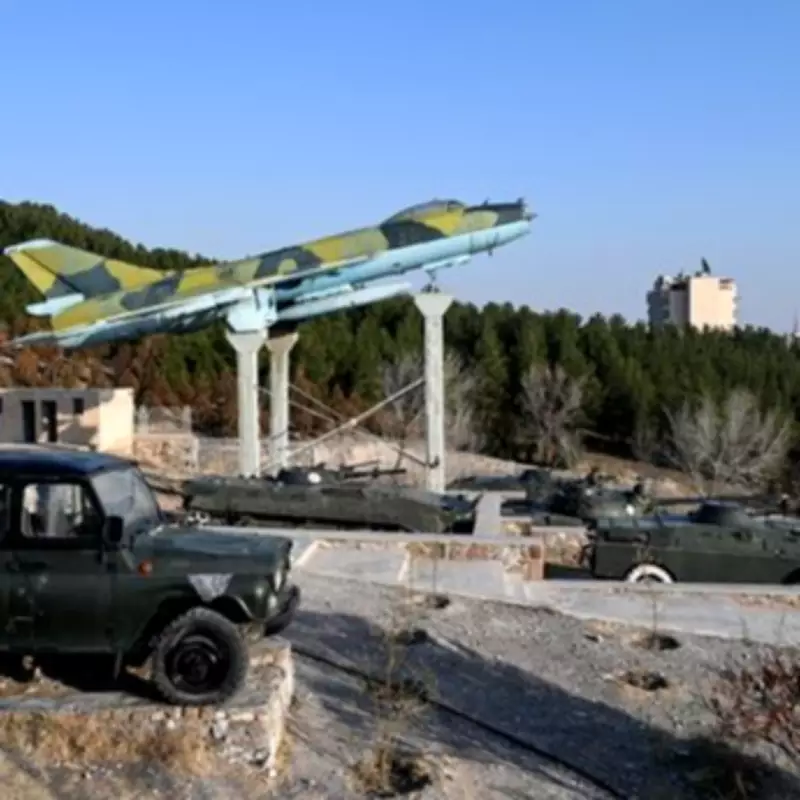
- The Jihad Museum commemorating Afghan resistance to the 1979 Soviet invasion
- Herat's Jami Masjid, also known as the Great Mosque
Publisher's Rationale
A Bradt spokesperson described Afghanistan as "a paradox: a nation so well-known internationally, yet one so infrequently explored that it has been effectively untouched by tourism since being a key stop on the hippie trail four decades ago." The spokesperson emphasised Afghanistan's unique geographical and cultural position, noting that "the Indian subcontinent, the Middle East, China and the ex-USSR 'stans collide in Afghanistan. It is both the graveyard of empires and one of the world's most hospitable countries."
Target Audience
The guidebook is specifically "aimed at the curious and the adventurous," according to the publisher. The Bradt spokesperson elaborated: "From the searing deserts of the south to the high peaks of the Hindu Kush, any trip here is challenging – but one that is now eminently possible with the right preparation. Even the most well-travelled visitor will find their soul stirred and their blood pumping from spending time in Afghanistan. With the new Bradt Afghanistan Guidebook to inform and inspire you, the off-beat holiday of a lifetime beckons."
Official Warnings Remain
Despite the guidebook's enthusiastic promotion, the UK Foreign Office maintains clear and firm advice against travel to Afghanistan. Their guidance states unequivocally: "You should not travel to Afghanistan. The security situation is volatile and tensions between Afghanistan and Pakistan have previously resulted in violent clashes in border regions."
The Foreign Office further warns: "Travel throughout Afghanistan is extremely dangerous and a number of border crossings are not currently open. There is a heightened risk of British nationals being detained in Afghanistan. If you are a British national and you are detained in Afghanistan, you could face months or years of imprisonment."

Tourism in Conflict Zones
This publication raises broader questions about tourism in conflict-affected regions and the ethical considerations surrounding travel to politically unstable destinations. While the guidebook presents Afghanistan as offering unique cultural and historical experiences, it operates in direct contradiction to official government travel advice, creating a complex dilemma for would-be adventurous travellers considering such destinations.