A new global study has revealed the world's most stressful cities for travelers, identifying urban centers where crime, congestion, pollution, and climate factors combine to create overwhelming experiences that impact day-to-day wellbeing. The research, conducted by SCSChauffeur, analyzed major cities across multiple stress indicators to create an overall Stressful City Score, highlighting destinations where visitors are most likely to encounter taxing conditions.
Cape Town Tops the Stress Ranking
Cape Town, South Africa, has been identified as the world's most stressful city, driven by a particularly high crime index, heavy traffic congestion at 36 percent, and elevated average humidity levels of 75 percent. While the city remains popular with tourists for its white sand beaches and dramatic Table Mountain backdrop, the central business district has become notorious for criminal activity.
According to Foreign, Commonwealth & Development Office warnings, there have been recent attacks and violent crimes on secondary roads connecting to Cape Town International Airport, adding significant safety concerns for visitors navigating the city.

Asian and European Cities Feature Prominently
Delhi, India, places second in the stress ranking, with extreme air pollution emerging as the single biggest stress factor. Data collected by House Fresh identifies Delhi as the world's second most polluted city, contributing to what many travelers describe as an unpleasant and overwhelming atmosphere during visits.
Johannesburg, South Africa, ranks third, recording the highest crime index of all cities analyzed alongside elevated pollution levels. The prevalence of hijacking, theft, and violent crime in the city's central business district has deterred many travelers, who now often opt for alternative resorts or guided group tours for enhanced safety.
Surprising European Inclusion
Zurich, Switzerland, represents a surprising inclusion in the top ten, ranking fourth despite being located in one of Europe's most affluent regions. The Swiss city's crime rates actually exceed those of Delhi, while congestion at 33 percent and humidity at 75 percent combine to elevate stress levels for residents and visitors alike.
Traffic and Climate Factors Dominate
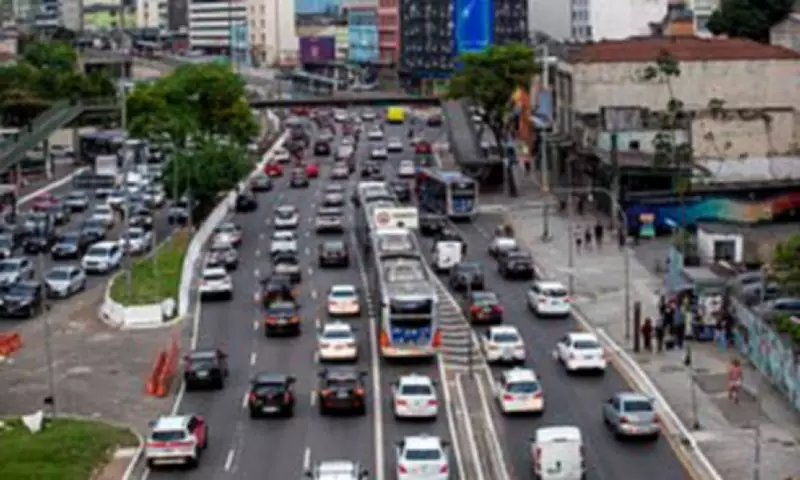
Sao Paulo, Brazil, ranks fifth with congestion at 42 percent (the third highest on the list) and annual humidity reaching 80 percent. The Brazilian megacity's enormous size and intense traffic create stressful conditions, compounded by prevalent petty crime including phone snatching and pickpocketing in downtown areas.
Jakarta, Indonesia, follows in sixth place with congestion at 43 percent (second highest overall) and annual humidity at 81 percent. The Indonesian capital suffers from infamous gridlock traffic, thick smog, and a generally chaotic urban ambience that overwhelms many visitors.
Humidity and Congestion Create Urban Pressure
Kuala Lumpur, Malaysia, ranks seventh primarily due to having the highest humidity levels in the ranking at 86 percent. Travelers have additionally cited intense traffic, crowded public areas, and aggressive soliciting as significant contributors to stress in the Malaysian capital.
Mexico City places eighth, recording the highest congestion of all cities analyzed at 52 percent alongside elevated humidity levels. Prolonged exposure to the city's high air pollution can impact visitor health, while petty and organized crime further contribute to the stressful urban environment.
European Tourist Destinations Complete the List
Athens, Greece, ranks ninth as a popular tourist destination where congestion and humidity significantly affect the visitor experience. Economic factors including low wages and high living costs contribute to underlying tension in the Greek capital, despite its renowned culinary offerings, impressive hotels, and historic sights.
Naples, Italy, completes the top ten, known globally for its Neapolitan pizza and ancient architecture but regularly criticized for being crowded, overwhelming, and plagued by petty crime. The data reveals that environmental stressors and personal safety concerns consistently outweigh convenience factors when calculating overall urban stress levels.

Understanding Urban Stress Dynamics
Hadleigh Diamond, chief operating officer at SCSChauffeur, explained the study's findings: "Urban stress isn't caused by one single factor. It's the cumulative effect of environmental pressure and perceived lack of control. Cities like Cape Town and Johannesburg score highly not just because of crime, but because safety concerns intersect with congestion and climate conditions, keeping stress levels consistently high."
Diamond added: "In Delhi's case, air pollution alone is enough to significantly elevate stress, regardless of traffic or crime. The research demonstrates how multiple urban factors combine to create challenging environments for travelers seeking enjoyable experiences."
The comprehensive analysis highlights how cities worldwide balance their attractions against environmental and social challenges, with the ten identified urban centers representing destinations where stress factors most significantly impact visitor wellbeing and overall travel experience quality.