Wrestling Mask Boom: From Arena Mexico to the 2026 World Cup
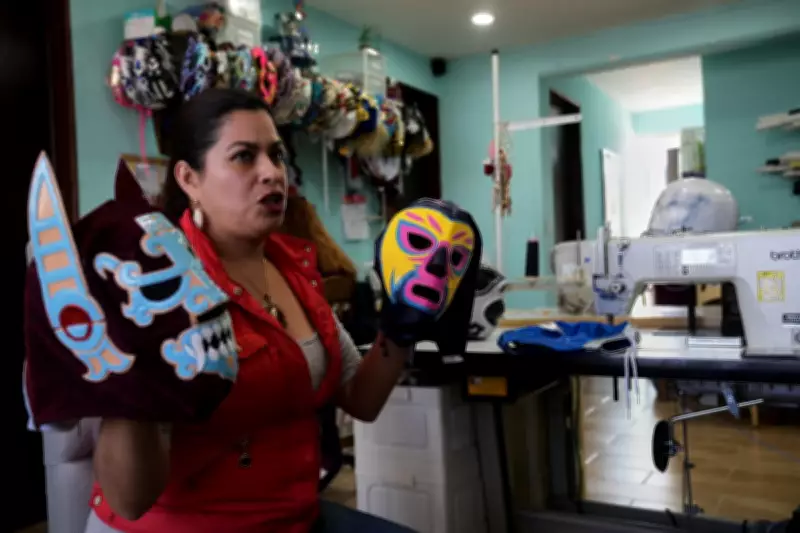
In the bustling barrio of Iztapalapa on the outskirts of Mexico City, a unique business is preparing for a global surge in demand. Guadalupe Zuñiga, daughter of the famous late wrestler Angel Azteca, owns a factory that produces an average of 300 wrestling masks each week. With the 2026 FIFA World Cup on the horizon, she anticipates a significant increase in sales as wrestling masks become a sought-after Mexican symbol for international tourists.
A Family Legacy Transformed into Business
Zuñiga, 42, has been immersed in the world of wrestling masks since childhood, watching her father perform in the ring. Today, she has turned that passion into a thriving enterprise, collaborating with renowned wrestlers such as Tinieblas, Blue Panther, Ultimo Guerrero, and Mascara Sagrada. Her team crafts customised masks by hand, a process that can take up to two days per piece. "We expect a very large increase in sales with so many foreigners because wrestling and masks are a Mexican symbol," Zuñiga told The Associated Press. "We hope the stores we work with will ask us for more of this product."
Growing Popularity and Tourist Appeal
The demand for wrestling masks has expanded beyond traditional fans. Zuñiga notes a rise in collectors, with enthusiasts now boasting collections of 50 to 100 masks, compared to just a few decades ago. Tourists frequently visit shops around landmarks like Arena Mexico and the Angel de la Independencia, where cheaper versions sell for as low as 50 pesos (approximately $3), while custom-made designs can fetch hundreds of dollars. Street vendors, such as Clementina López near Arena Mexico, also foresee a boost during the World Cup, aiming to provide memorable souvenirs for visitors.

Historical Roots and Cultural Significance
The tradition of wrestling masks in Mexico dates back to 1933, when American wrestler Corbin James Massey, under the alias "Maravilla Enmascarada" (Masked Marvel), popularised the practice. This was followed by iconic luchadores like Santo, Blue Demon, and Huracan Ramirez in the 1950s. "The mask has magic. It's like having two identities," explained wrestler Star Black, highlighting the dual life it offers performers. Late writer Carlos Monsivais observed that masks provide an intimidating presence, adding to their allure.
Crossover into Sports and Global Recognition
Wrestling masks have transcended the ring, appearing in other sports and gaining international attention. For instance:
- Adidas created a jersey inspired by Mexican-American wrestler Rey Mysterio for the 2014 World Cup.
- At the Mexican Formula 1 Grand Prix, drivers like Sergio Pérez, Max Verstappen, and George Russell have worn masks, with Pérez even featuring one on a special helmet in 2024.
- Baseball player Randy Arozarena of the Seattle Mariners used a mask as a lucky charm during Mexican team games.
Professional wrestler Magnus remarked, "It's no secret that where you see a person wearing a mask, you see a Mexican. It's a great gesture that lucha libre is crossing borders."
Preparations for the 2026 World Cup
With Mexico set to host 13 World Cup matches across cities like Guadalajara, Monterrey, and Mexico City, authorities expect five million tourists. Zuñiga's factory is already receiving special requests for the event, working on exclusive designs with ordered fabrics. "I've already had special requests for the World Cup, there are several designs that we are working on," she said. "I cannot show them to you, but they are going to be very special." This anticipation underscores how wrestling masks are poised to become a cultural emblem during the tournament, blending tradition with modern fandom.