EU's New Biometric Border System Launches Across 29 Nations
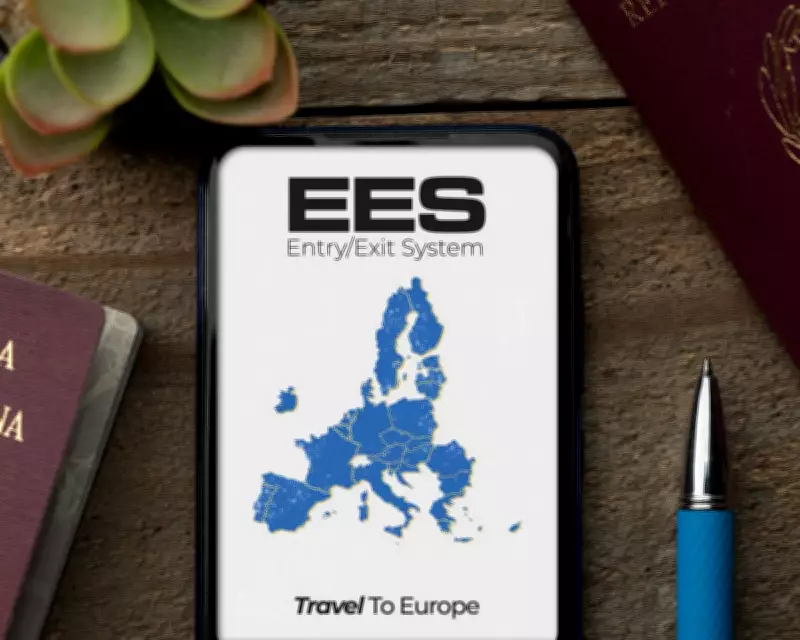
On 10 April, the European Union's Entry/Exit System (EES) comes into full force across 29 countries, marking a significant shift in border control procedures. This automated system replaces manual passport stamping with biometric data collection, including facial scans and fingerprints, for non-EU citizens entering the Schengen zone. The rollout arrives amid global travel disruptions from Middle East conflicts, adding to tourist anxieties, but aims to enhance security and efficiency at borders.
What Is the EES and How Does It Work?
Under the EES, travellers must have their photo, fingerprints, and passport details recorded each time they cross a border, free of charge. No pre-registration is required, but a valid passport is essential. Children under 12 are exempt from fingerprinting, needing only a facial scan. The system applies to most non-EU citizens on short stays of up to 90 days within a 180-day period, with exemptions for Irish passport holders and some EU residents.
Why Passport Stamps Are Being Replaced
Experts highlight that the move to "smart borders" is driven by security needs and operational efficiency. Professor Hussein Abbass from the University of New South Wales notes that passport stamps primarily show entry permission, but computerized systems are harder to fake. Dr. Dennis Desmond, a cybersecurity lecturer at the University of the Sunshine Coast, adds that stamps are outdated and prone to forgery, whereas biometrics reliably link travellers to documents and detect fraud in real-time.

Where the New Rules Apply
The EES is implemented across the Schengen zone, encompassing 29 European nations: Austria, Belgium, Bulgaria, Croatia, Czech Republic, Denmark, Estonia, Finland, France, Germany, Greece, Hungary, Iceland, Italy, Latvia, Liechtenstein, Lithuania, Luxembourg, Malta, the Netherlands, Norway, Poland, Portugal, Romania, Slovakia, Slovenia, Spain, Sweden, and Switzerland. Cyprus and Ireland continue using manual stamping.
What Tourists Can Expect at Borders
In addition to digital checks, border authorities will intensify manual questioning. Travellers should prepare to explain their visit's purpose and have travel details ready. Initial delays are expected as biometric data is enrolled, but subsequent crossings should be smoother. For connecting flights, EES checks occur at the first Schengen entry point, with internal flights usually exempt.
Privacy and Surveillance Concerns
While the EES improves border accuracy, experts warn of risks from mass data collection. Dr. Ali Saha from the University of Melbourne points out that biometric data is permanent and vulnerable to breaches, potentially reinforcing inequalities through algorithmic bias. Dr. Desmond notes that under EU rules, records are retained for three to five years, with encryption and access controls mitigating privacy issues.
Additional Changes and Global Context
Later this year, the EU will introduce the European Travel Information and Authorisation System (ETIAS), requiring pre-departure authorisation for visa-exempt countries like Australia. Biometric processing is already used in the US, Australia, Singapore, Japan, and Canada, with Dubai testing facial scans for automated clearance. Dr. Walker-Munro from Southern Cross University states that the EES makes it easier to identify overstayers, enhancing security but raising enforcement concerns.