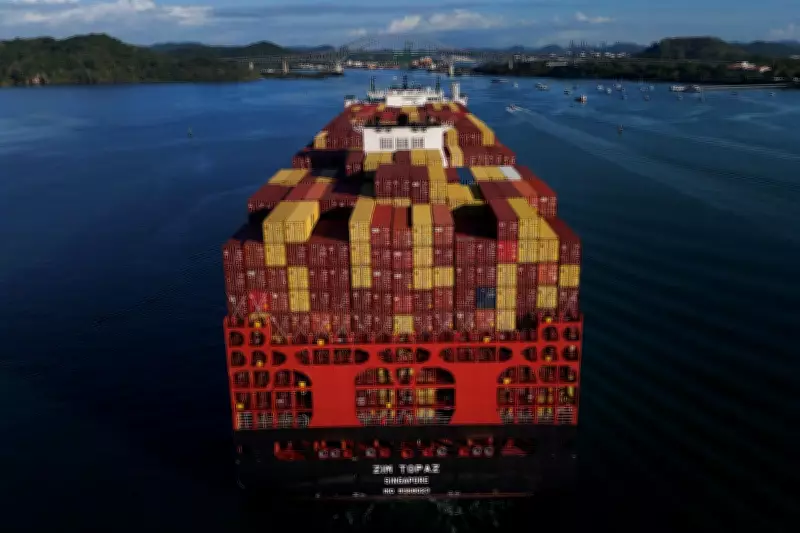
Businesses have doled out up to $4 million to secure passage for their vessels through the Panama Canal as the Strait of Hormuz remains effectively closed due to geopolitical tensions, according to the Panama Canal Authority. This has triggered a seismic shift in global trade flows.
Auction Prices Soar
While crossing the canal typically costs a flat fee via reservations, companies without bookings can bid in auctions for slots, paying a premium to avoid waiting days off the coast of Panama City. In recent weeks, as Iran and the United States have bottlenecked the Strait of Hormuz, demand for these slots has skyrocketed, pushing prices to unprecedented levels.
The average additional cost for an early crossing has jumped from $250,000–$300,000 to around $425,000. One unnamed company paid an extra $4 million when its fuel vessel, originally bound for Europe, was redirected to Singapore due to the crisis. Other oil companies have paid over $3 million in additional fees to accelerate their passage amid soaring oil prices.

Impact on Global Supply Chains
Lawyer and analyst Rodrigo Noriega noted, "With all the bombings, the missiles, the drones ... companies are saying it's safer and less expensive to cross through the Panama Canal. All of this is affecting global supply chains." He added that Panama's government is "maximizing what it can earn from the Panama Canal."
Canal administrator Ricaurte Vásquez emphasized that these costs are temporary and company-driven. "They decide how high a price to go," he said, attributing the surge to last-minute shifts and greater urgency caused by trade chaos.
Geopolitical Tensions Escalate
Panama has also been directly affected by the conflict. On Wednesday, its foreign ministry accused Iran of illegally seizing a Panama-flagged vessel, the MSC Francesca, in the Strait of Hormuz. Panama described the incident as "a serious attack on maritime security" and an unnecessary escalation.
Analysts warn that costs may rise further if the conflict continues. Brent crude oil prices briefly exceeded $107 a barrel this week, up from around $66 a year ago. "No one really foresaw the potential effects (the war) would have on global trade," Noriega concluded.