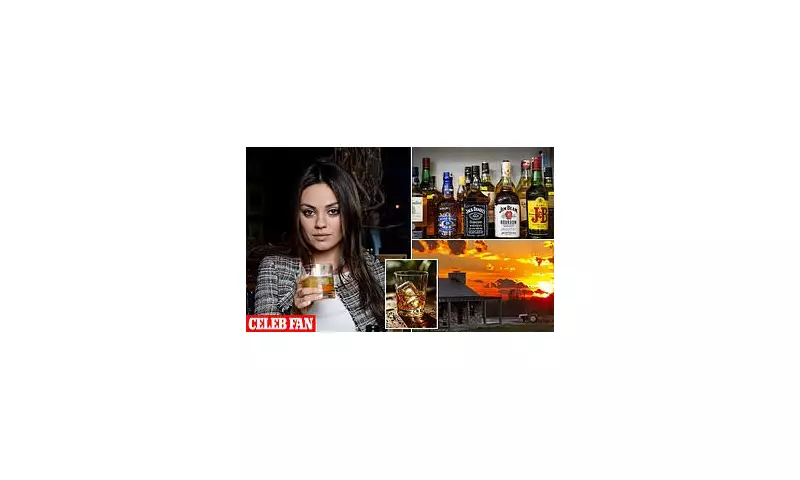
One of America's most iconic bourbon brands is hitting pause on production at a historic site for an entire year, signalling a dramatic shift for the once-booming US whiskey industry. Jim Beam will halt distilling at its nearly 230-year-old Clermont, Kentucky facility for all of 2026, a decision driven by a global slump in demand and a punishing trade backlash from Canada.
A Perfect Storm for American Whiskey
The company, owned by Suntory Global Spirits, stated it is 'assessing production levels to best meet consumer demand.' While bottling, warehousing, and visitor operations at Clermont will continue, the distilling silence for a full calendar year marks a significant retreat. Production will be concentrated at Jim Beam's larger Boston, Kentucky plant and other Suntory sites.
This move is not an isolated incident but a symptom of a severe industry-wide correction. For over two decades, distillers aggressively expanded, filling warehouses with millions of barrels that require years of ageing. Kentucky alone now has 16 million barrels of ageing bourbon, more than triple the figure from 15 years ago. This overproduction has collided with a sharp decline in consumption, both domestically and in crucial export markets.

Industry data shows American spirits exports fell 9% year-over-year in Q2 2025, with whiskey particularly hard hit. The most devastating blow came from Canada, a former top market, where exports collapsed by up to 85%. This collapse is a direct result of retaliatory boycotts linked to trade tensions stemming from the Trump-era tariffs.
Changing Tastes and a Global Slowdown
The crisis extends beyond North America. Key markets like the European Union, the United Kingdom, and Japan have all sharply reduced purchases, cutting off a vital outlet for excess stock. Simultaneously, American drinking habits are transforming. Polls indicate people are consuming less alcohol due to health concerns, higher prices, and competition from ready-to-drink alternatives, cannabis, and weight-loss drugs.
Younger drinkers, especially Gen Z, are purchasing premium bottles less frequently, a trend that hurts high-volume, value brands like Jim Beam's flagship White Label. 'It's a sad day for bourbon, to be honest with you,' whiskey expert Fred Minnick told the New York Times. 'For this to happen is a real punch in the gut.'
An Industry-Wide Contraction
Jim Beam is far from alone in its struggles. In recent months, Diageo paused distilling at its George Dickel facility in Tennessee. Brown-Forman, maker of Jack Daniel's, announced layoffs affecting roughly 12% of its workforce. The downturn has devastated smaller players: several whiskey companies have entered receivership, and contract distillers report a steep fall in orders.
Notable casualties include the collapse of the historic Kentucky Owl brand in late 2023, the bankruptcy of Luca Mariano Distillery in August 2024, and the shuttering of the $250 million Garrard County Distilling operation earlier in the year.
While Jim Beam has reassigned workers from the Clermont distillery and says it does not currently plan layoffs, the year-long production halt is a stark symbol of an industry grappling with the end of its long boom. The pause, the company notes, will also allow for investment and upgrades at the historic site, perhaps a small silver lining in an otherwise cloudy forecast for American whiskey.