Exercise equipment manufacturer Peloton has become the latest corporation to file a lawsuit against the United States government, challenging the legality of sweeping tariffs imposed during the presidency of Donald Trump. The company, along with its commercial equipment division Precor, is seeking refunds for duties paid on imports affected by these controversial trade measures.
The Legal Challenge Against Presidential Authority
In a complaint filed earlier this month, Peloton and Precor have argued that President Trump lacked the proper legal authority to implement such extensive tariffs under the International Emergency Economic Powers Act of 1977. The companies import goods from China, Mexico, and other nations that were subject to these trade restrictions, making them directly impacted by the policy decisions.
Background of the Tariff Dispute
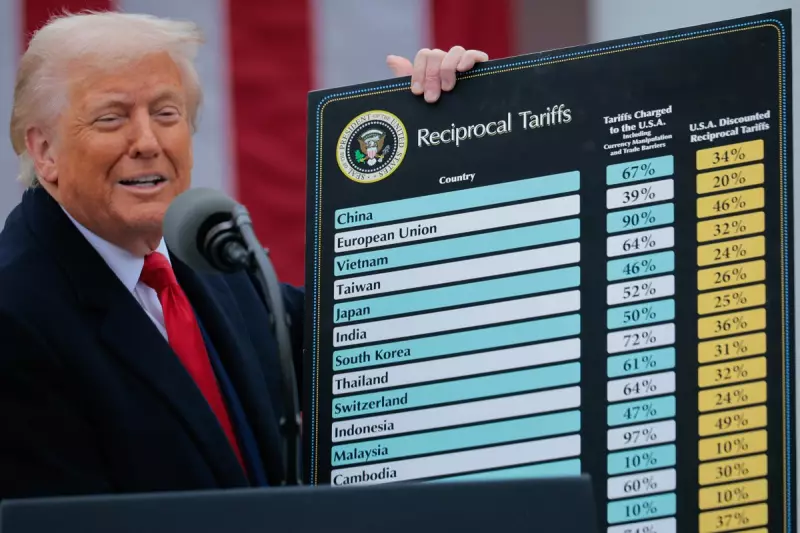
The tariff saga began shortly after Trump's return to the White House last year, when he announced substantial import duties targeting multiple trading partners. These included a 25 percent tariff on goods from Mexico and Canada, supplemented by an additional 10 percent levy on Chinese products. In April, the administration expanded this approach with a baseline 10 percent tariff on imports from all countries, with certain nations facing even higher rates.

This aggressive trade policy sparked a significant trade war between the United States and China, though tensions have since subsided. Last May saw a partial de-escalation when the US announced it would reduce a substantial 145 percent levy on Chinese goods to a still-significant 30 percent.
White House Justification and Supreme Court Scrutiny
When announcing the comprehensive tariffs in April, the White House justified the measures by invoking the International Emergency Economic Powers Act, claiming the president was addressing "the national emergency posed by the large and persistent trade deficit." The administration had previously used the same legal authority to impose tariffs on Mexico, Canada, and China in February, arguing that undocumented migration and illegal drug trafficking across US borders constituted sufficient national emergencies to warrant such action.
The Supreme Court is currently examining whether President Trump possessed the necessary authority under the IEEPA to implement these tariffs. This legislation permits the president to regulate international trade only under "unusual and extraordinary" circumstances, creating a legal threshold that is now under judicial review.
Broader Corporate Backlash and Legal Precedent
Peloton's lawsuit represents just one facet of a much larger corporate rebellion against the tariff regime. According to recent reports, more than 1,000 companies have filed for refunds on levies they paid following a Supreme Court hearing in November 2025, where justices appeared skeptical about the legality of Trump's tariff policies.
In their legal filing, Peloton and Precor expressed concern that even if the Supreme Court ultimately rules the tariffs unlawful, this decision might not automatically guarantee refunds for importers who have already paid substantial sums to the government. The question of restitution would likely fall to lower courts to resolve on a case-by-case basis.
Current Legal Landscape and Official Responses
The Justice Department has maintained a position of non-comment regarding the specific Peloton and Precor lawsuit. Meanwhile, the broader legal community awaits the Supreme Court's decision on the fundamental question of presidential authority in imposing such comprehensive trade restrictions.
This case highlights ongoing tensions between executive power and constitutional limits, particularly regarding international trade policy. The outcome could establish important precedents for how future administrations approach trade disputes and economic sanctions, with significant implications for both domestic businesses and international relations.