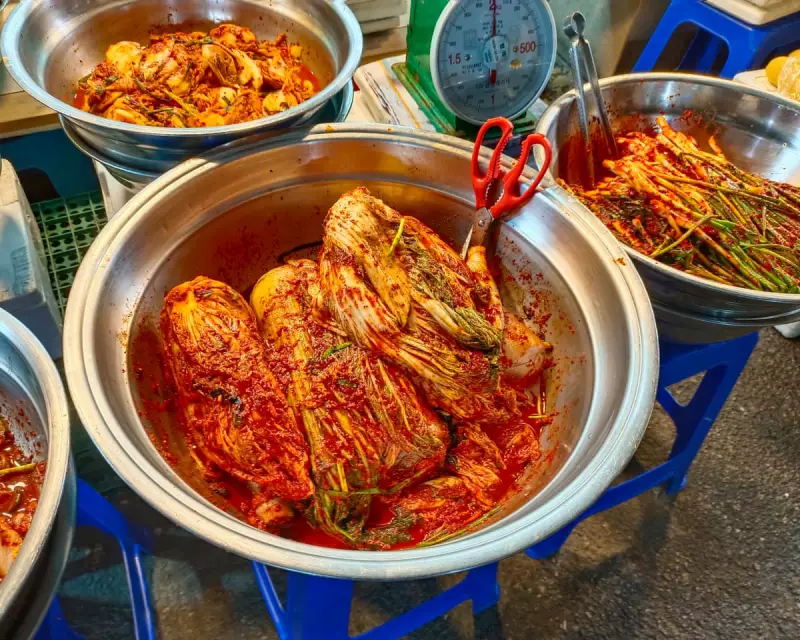
South Korea is confronting a profound culinary and economic dilemma as its iconic national dish, kimchi, is being increasingly displaced by cheaper imports from China. This shift is creating a significant trade imbalance and stirring deep concerns about the preservation of a key element of Korean cultural heritage.
The Stark Numbers Behind the Kimchi Trade Deficit
Official data reveals a startling trend. In the first ten months of 2025, South Korea imported a staggering 41,000 tonnes of kimchi from China. In a stark contrast that highlights the scale of the issue, the country exported a mere 400 tonnes of its own kimchi to China in the same period. This creates an overwhelming trade deficit in a product long considered a national symbol.
The driving force behind this import surge is simple: cost. Chinese-produced kimchi is dramatically cheaper, often selling for less than half the price of its South Korean counterpart. This price disparity is making it increasingly difficult for local producers, including the country's famed kimjang communities who traditionally make kimchi in large batches for winter, to compete in their own domestic market.

Cultural Identity Under Threat
The issue transcends mere economics, striking at the heart of Korean identity. Kimchi, a fermented vegetable dish, most commonly based on cabbage and radish, is more than just a side dish. It is a deeply ingrained part of daily life, family rituals, and national pride. The practice of kimjang, where communities and families gather to prepare vast quantities of kimchi for the colder months, is recognised by UNESCO as an intangible cultural heritage.
Experts warn that the flood of imports threatens this tradition. "When the market is dominated by cheaper alternatives, it undermines the value and the practice of making kimchi locally," stated one food culture analyst. The concern is that economic pressure will erode the skills and customs passed down through generations, as consumers and even restaurants opt for the more affordable imported product.
Market Realities and National Response
The market dynamics are clear. Major South Korean food corporations and restaurant chains are turning to Chinese kimchi to control costs, especially for use in cooked dishes like stews and fried rice where the subtleties of premium, locally-made kimchi may be less noticeable. This commercial decision further squeezes domestic farmers and producers.
In response to the growing crisis, the South Korean government has begun to take action. Authorities have announced plans to introduce stricter country-of-origin labelling rules for kimchi served in restaurants. The aim is to provide consumers with clearer information, allowing them to choose Korean kimchi if they wish. However, critics argue that without addressing the fundamental price difference, labelling alone may not be enough to reverse the trend.
The situation presents a complex challenge for policymakers: how to protect a cherished cultural icon within the rules of global free trade. As one local producer lamented, the fear is not just about losing market share, but about the slow dilution of a national tradition that has defined Korean cuisine for centuries. The story of kimchi has become a potent symbol of the tensions between globalised commerce and cultural preservation.