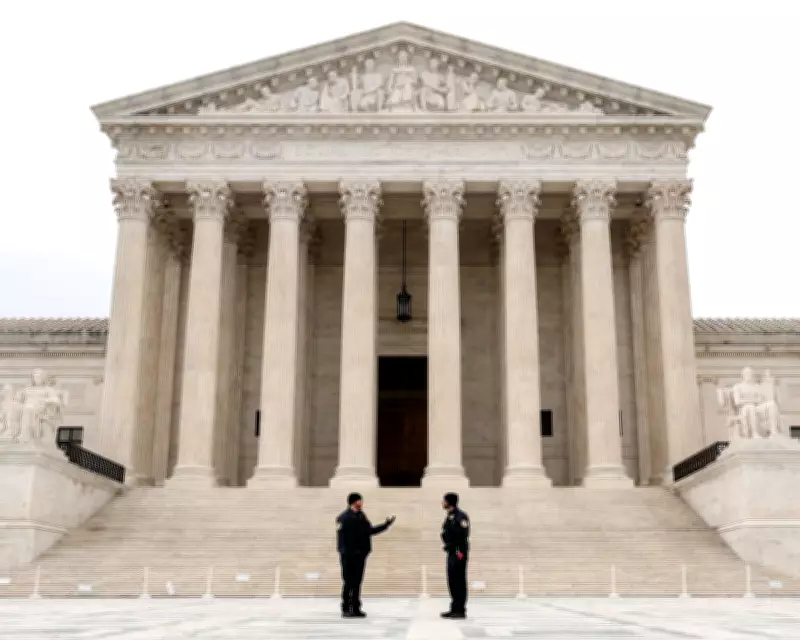
Supreme Court to Review Trump's Tariff Powers in Landmark Trade Case
The United States Supreme Court has announced it will hear a pivotal case that challenges the legality of tariffs imposed by former President Donald Trump during his administration. This decision marks a significant moment in the ongoing debate over presidential authority in trade matters, with potential implications for future economic policies and international relations.
Background of the Tariff Dispute
The case stems from tariffs that Trump implemented on a range of imported goods, including steel and aluminum, which were justified under national security grounds. Critics, including various businesses and trade groups, have argued that these tariffs exceeded the president's constitutional and statutory powers, leading to legal battles that have now reached the highest court in the land.
Legal experts suggest that the Supreme Court's ruling could set a precedent for how much discretion a president has in imposing such trade measures, especially under the guise of national security. The outcome may influence not only past actions but also shape the limits of executive power in trade policy for years to come.

Implications for Trade and Economy
If the Supreme Court rules against the tariffs, it could lead to the reversal of billions of dollars in trade penalties and affect ongoing international trade negotiations. Conversely, a ruling in favor of Trump's actions might reinforce presidential authority, potentially encouraging similar measures in future administrations.
The case has drawn attention from various stakeholders, including manufacturers, consumers, and foreign governments, all of whom are closely monitoring the proceedings. The decision is expected to have ripple effects across global markets and could impact inflation, supply chains, and diplomatic relations.
Next Steps and Broader Context
The Supreme Court is scheduled to hear arguments in the coming months, with a decision likely by the end of its term. This case is part of a broader investigation into Trump's trade policies, which have been a focal point of political and legal scrutiny since his presidency.
As the court deliberates, the case underscores the delicate balance between executive power and congressional oversight in shaping US trade policy. The ruling will be closely watched by policymakers, legal scholars, and the public, as it may redefine the boundaries of presidential action in the economic sphere.