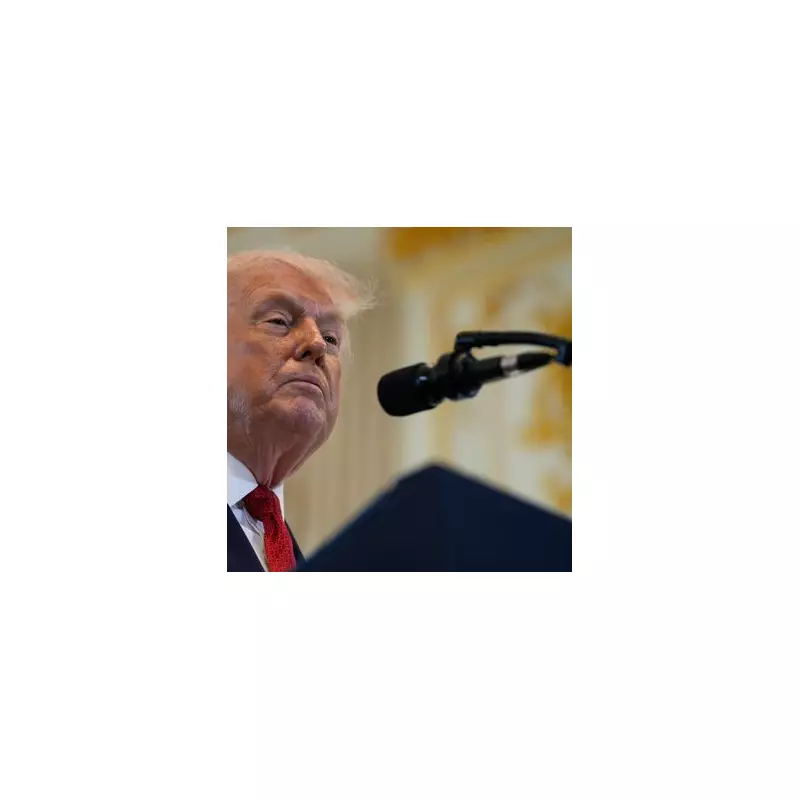
In a dramatic escalation of a long-running geopolitical ambition, former and now-returned US President Donald Trump has announced sweeping import tariffs on the United Kingdom and several key European allies. The move is a direct retaliation for their opposition to his renewed push to acquire Greenland from Denmark.
The Tariff Announcement and "Greenland Gambit"
Writing on his Truth Social platform on January 17, 2026, President Trump declared that starting February 1, 2026, a 10% tariff would be applied to all goods sent to the United States from a list of nations. The countries targeted are Denmark, Norway, Sweden, France, Germany, the United Kingdom, the Netherlands, and Finland.
He stated these tariffs would be increased to a hefty 25% from June 1, 2026. Trump framed the punitive trade measures as a necessary response to a "very dangerous situation" created by these nations sending military and diplomatic personnel to Greenland. He claimed the ultimate goal was to force a deal for the "Complete and Total purchase of Greenland," a transaction he asserted the US has sought for over 150 years.

Security Justifications and Allied Backlash
The President's lengthy post justified the proposed acquisition on urgent national and global security grounds. He argued that rivals China and Russia desire Greenland and implied Denmark is incapable of defending it. A significant portion of his rationale centred on a mysterious defence system referred to as "The Golden Dome."
Trump claimed this "very brilliant, but highly complex system" of modern weapons can only operate at "maximum potential and efficiency" if Greenland is included within its strategic perimeter. He stated "Hundreds of Billions of Dollars" are being spent on related security programmes, including for the potential protection of Canada.
The tariffs are explicitly designed to pressure the listed countries, whom he accused of "playing this very dangerous game," into ceasing their activities in Greenland and compelling Denmark to negotiate the sale.
Implications for UK-US Trade Relations
For the United Kingdom, this announcement represents a severe and unexpected new strain on the post-Brexit trade relationship with its largest single trading partner. The blanket 10% tariff on all goods threatens to disrupt supply chains and increase costs for British exporters across multiple sectors, from automotive and whisky to pharmaceuticals and luxury goods.
The situation creates an immediate diplomatic crisis for the UK government, forcing it to balance its alliance with European partners against the economic pressure from Washington. The scheduled increase to 25% in June would represent one of the most punitive tariff regimes imposed on a US ally in recent history, echoing the trade wars of Trump's first term but with a more overtly geopolitical trigger.
President Trump concluded his statement by saying the United States is "immediately open to negotiation" with Denmark or the other nations involved. However, he made it clear that the tariffs will remain "due and payable" until a deal for Greenland is reached, setting the stage for a protracted and volatile international standoff.