Britons could face higher grocery bills and a reduced selection on supermarket shelves if Donald Trump follows through on his threat to impose sweeping tariffs on UK exports, a leading supply chain expert has warned. The move could also deliver a significant blow to the UK's already fragile economic growth, with analysts warning it could tip the nation into a recession.
From Trade Statistics to the Weekly Shop
Oisín Hanrahan, co-founder and CEO of Keychain, a firm that works with major supermarkets to analyse supply chain costs, told The Independent that the impact of the tariffs would be felt directly by consumers. "A 10 per cent US tariff on UK exports wouldn't stay confined to trade statistics, it would start showing up in the weekly shop," he stated.
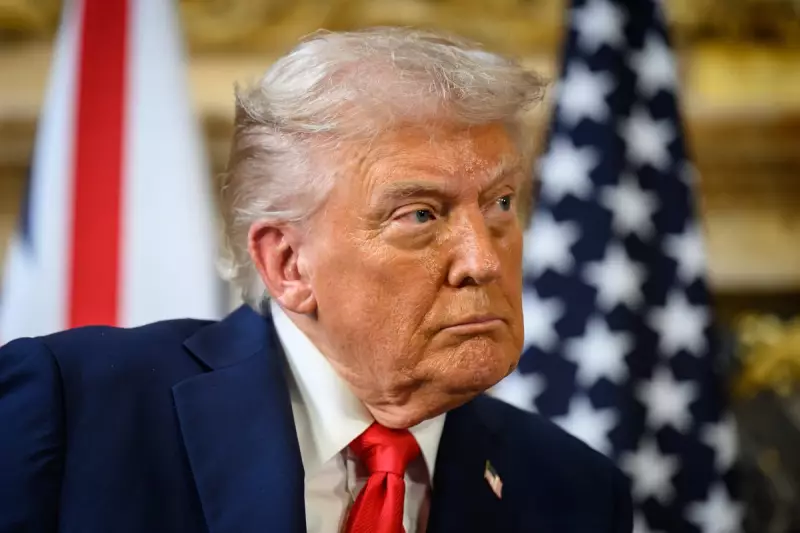
The warning comes after the US president announced on Saturday that he would charge Britain a 10 per cent tariff "on any and all goods" sent to the United States from 1 February 2026. He threatened to increase this levy to 25 per cent from 1 June unless a deal is reached for Washington to purchase Greenland from Denmark. The same measures would apply to several other NATO members, including Denmark, Norway, Sweden, France, Germany, the Netherlands, and Finland.

Economic Impact and Recession Risks
Economists have been quick to quantify the potential damage. John Wyn-Evans, head of market analysis at Rathbones, warned that a 10 per cent tariff could reduce Britain's GDP by around 0.1 per cent, with the impact rising to 0.2-0.3 per cent if the rate climbs to 25 per cent.
Paul Dales of Capital Economics offered an even starker assessment, estimating UK GDP could shrink by 0.3 to 0.75 per cent if the new tariffs are imposed on top of existing taxes. "With the UK economy currently growing by 0.2 - 0.3 per cent a quarter, if this hit came all at once it could trigger a recession," he cautioned.
How Tariffs Squeeze the Food Supply Chain
Hanrahan explained the direct mechanism through which transatlantic tariffs would affect British shoppers. "The US is one of Britain's most important export markets, and making that market more expensive to serve has knock-on effects that ripple through food supply chains," he said.
He detailed that for many UK food producers, exports are crucial for maintaining efficient, large-scale factory operations. When tariffs squeeze profit margins in the US, companies are forced to cut production volumes, delay investment, or attempt to recoup costs in other ways. "Lose scale, and unit costs rise, increasing the risk of higher prices, fewer discounts and less choice on UK supermarket shelves, particularly in processed and branded foods where volume matters most," Hanrahan added.
He also warned that if the UK government chose to retaliate with its own tariffs, the pain for consumers would accelerate. Tariffs on US imports would raise costs for products like nuts, peanut butter, corn-based ingredients, and food packaging, with these increases being passed swiftly from manufacturers to retailers and, ultimately, to shoppers.
In response to the crisis, Prime Minister Sir Keir Starmer has so far ruled out retaliation, stating that a trade war "isn't in anybody's interest." He emphasised his focus on avoiding escalation, despite other European nations like Germany and France considering retaliatory measures. The government's concern was underscored by the presence of Chancellor Rachel Reeves at the PM's announcement on Monday, having cancelled another engagement.
Analysts see the episode as part of a broader, worrying trend. Wyn-Evans concluded, "Ultimately, this episode reinforces the shift away from ever-increasing global integration and toward a world defined by sharper spheres of influence – a reality businesses and investors must increasingly plan for and deal with."