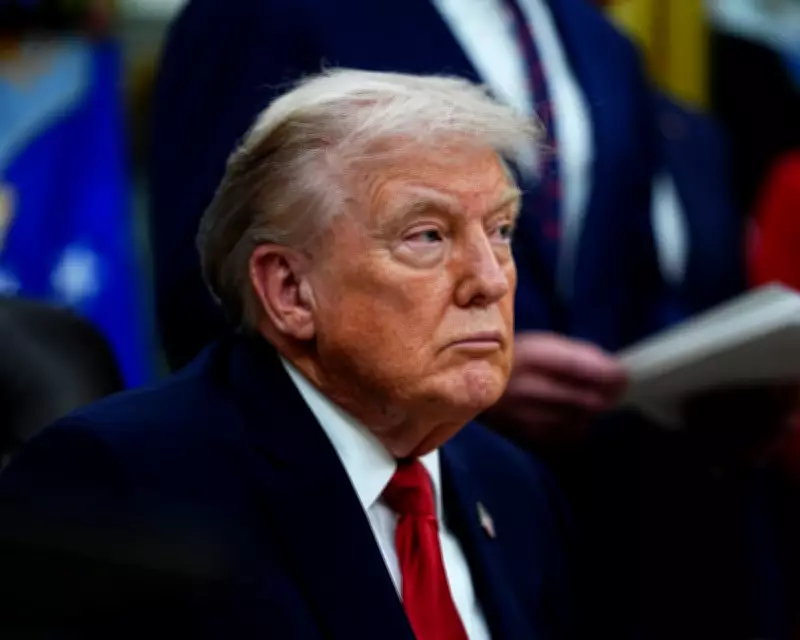
President Donald Trump has issued a stark warning to nations across the globe, threatening to impose significant tariffs on any country that provides oil to Cuba. This aggressive stance was formalised through an executive order signed on Wednesday, which declares a national emergency and establishes a comprehensive process for levying tariffs on goods from countries involved in such transactions.
Executive Order Targets Cuba's Energy Supply
The executive order, titled 'Declaring a National Emergency and Establishing a Process to Impose Tariffs on Goods from Countries that Sell or Otherwise Provide Oil to Cuba,' marks a significant escalation in the United States' long-standing efforts to exert economic pressure on the Cuban government. By framing this as a national emergency, the Trump administration aims to justify swift and potentially severe trade actions against offending nations.
Mexico Identified as Primary Supplier
Data from 2025 highlights Mexico as Cuba's number one supplier of crude oil, accounting for approximately 44 percent of the island's imports. This dependency places Mexico in a particularly vulnerable position under the new US policy, potentially straining diplomatic and economic relations between the neighbouring countries.

Historical Suppliers Already Under Sanctions
Historically, Venezuela and Russia have been key suppliers of oil to Cuba, but both nations are already subject to extensive US sanctions and tariffs due to other geopolitical disputes. This means the new executive order may have limited immediate impact on these countries, but it reinforces the broader US strategy of isolating Cuba from international energy markets.
President Trump announced this policy during an event on addiction recovery held in the Oval Office of the White House on Thursday, underscoring the administration's multi-faceted approach to domestic and foreign policy issues. The move is likely to spark debates over its implications for global trade dynamics and US-Cuba relations.