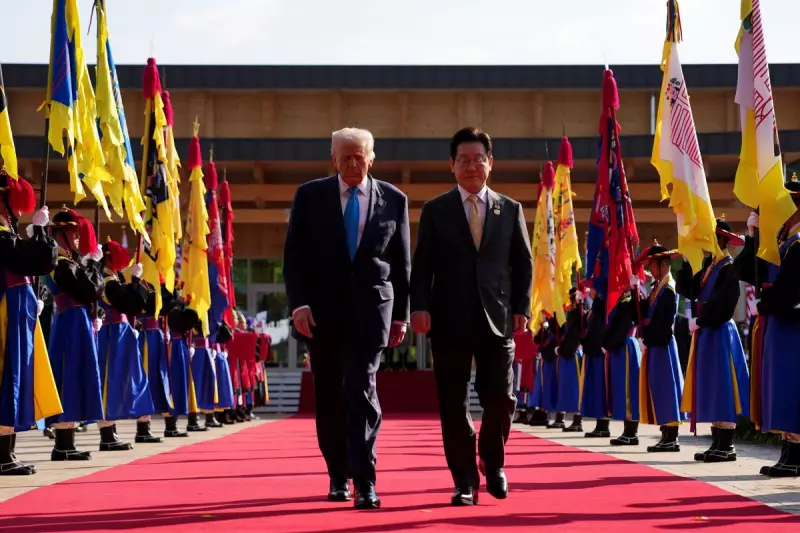
In a significant development in international trade relations, former US President Donald Trump has declared intentions to escalate tariffs on imports from South Korea from the current rate of 15 per cent to a heightened 25 per cent. This proposed increase, which has yet to be formalised through an executive order from the White House, targets key sectors including South Korean automobiles, lumber, pharmaceuticals, and other goods subject to reciprocal tariffs.
Background and Rationale for the Tariff Hike
Trump attributed this move to the South Korean National Assembly's failure to ratify a bilateral trade agreement that was initially negotiated in July and reaffirmed in October of the previous year. Under this deal, South Korea had committed to investing a substantial $350 billion in US businesses in exchange for reduced tariffs, aiming to foster economic cooperation and mutual benefits.
South Korean Response and Diplomatic Efforts
South Korean officials have expressed astonishment at Trump's announcement, with the Blue House, the executive office of South Korea, reiterating its dedication to implementing the trade agreement. In response, the South Korean Industry Minister is scheduled to visit Washington for urgent discussions to address the tariff hike and seek clarity on the situation.

Sources indicate that Trump's decision might be influenced by recent South Korean regulatory actions against a US-listed e-commerce company, or it could serve as a strategic tactic to apply pressure for concessions in ongoing negotiations between the two nations.
Potential Implications and Broader Context
The tariff increase, if enacted, could have far-reaching effects on trade dynamics, potentially impacting prices for consumers and disrupting supply chains in the affected industries. This development underscores the volatile nature of global trade policies and highlights the ongoing challenges in diplomatic and economic relations between the United States and its Asian ally.
As the situation unfolds, stakeholders will be closely monitoring the outcomes of the ministerial talks and any further announcements from the White House regarding the formalisation of these tariffs.