US and Japan Unveil $36bn Energy and Minerals Deal Amid China Tensions
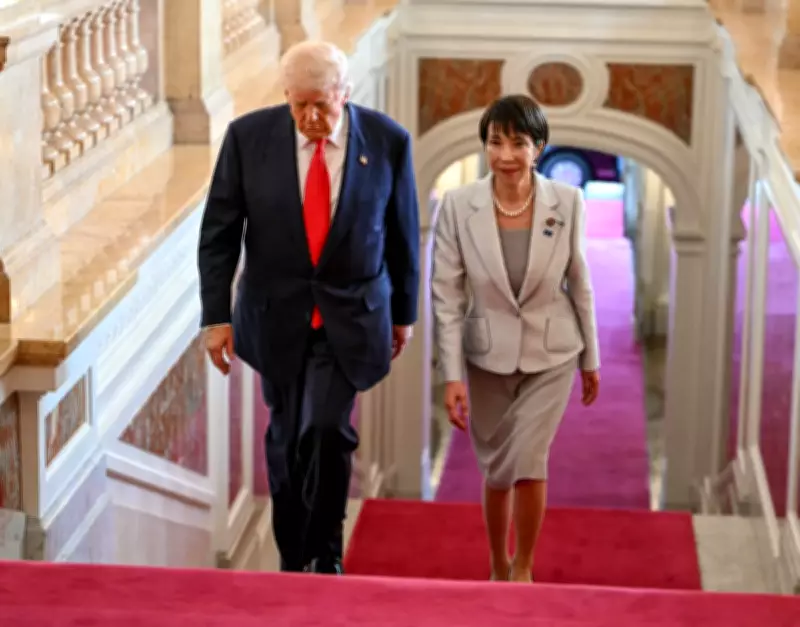
In a significant move to bolster economic security and counter Chinese dominance, the United States and Japan have announced a series of joint projects valued at approximately $36 billion. The agreements, unveiled by US President Donald Trump and Japanese Prime Minister Sanae Takaichi during a meeting in Tokyo in October 2025, focus on oil, gas, and critical minerals investments. This initiative marks the first phase of a broader $550 billion trade deal signed between the two nations last year, designed to strengthen bilateral ties and reduce dependency on foreign sources, particularly China.
Key Projects and Strategic Implications
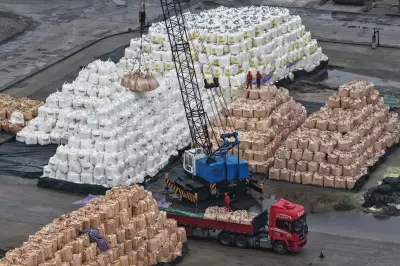
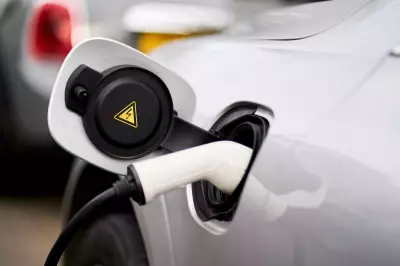
The deal includes three major projects: a natural gas-fired power plant in Portsmouth, Ohio, a deepwater crude oil export facility off the coast of Texas, and a synthetic industrial diamond manufacturing site in Georgia. The Portsmouth plant, operated by SB Energy, a subsidiary of Japan's SoftBank Group, is touted as the largest natural gas-fired generating facility in US history, with an annual capacity of 9.2 gigawatts. Trump emphasized the role of tariffs in enabling these large-scale investments, stating, "The scale of these projects are so large, and could not be done without one very special word, tariffs." However, this approach has raised concerns among US economists about potential inflationary risks.
Prime Minister Takaichi highlighted the strategic importance of the investments, noting they would enhance Japan's economic security without directly mentioning China. The synthetic diamond project, valued at $600 million, aims to ensure domestic production of diamond grit, a critical material for advanced manufacturing and semiconductors. Trump declared, "This will end our foolish dependence on foreign sources," echoing sentiments from US Commerce Secretary Howard Lutnick, who added, "Japan is providing the capital. The infrastructure is being built in the United States. The proceeds are structured so Japan earns its return, and America gains strategic assets, expanded industrial capacity, and strengthened energy dominance."

Context of China Rivalry and Taiwan Dispute
The announcement comes amid ongoing diplomatic tensions between Japan and China over Taiwan, which have tested the Japanese economy. In recent months, Beijing has imposed restrictions on rare earth exports to Japan, leveraging its control over the critical minerals market. China dominates the global mining and processing of rare earths, essential for industries ranging from oil refining to automotive manufacturing. Takaichi further angered Chinese officials in November 2025 by suggesting Japan could intervene militarily in the event of a Chinese invasion of Taiwan, escalating the row.
While Trump and Chinese leader Xi Jinping reached a deal in October 2025 to reduce short-term tensions, US officials have consistently advocated for reducing reliance on China for critical minerals. The new US-Japan projects are seen as a direct challenge to China's dominance, with Trump's administration framing them as a step toward energy independence and economic resilience. Despite the tensions, Japan reported a nearly 17% rise in exports in January, partly driven by increased trade with China, indicating the complex interplay between economic interdependence and geopolitical rivalry.
This deal underscores a broader shift in global trade dynamics, as nations seek to secure supply chains and enhance strategic partnerships in response to China's growing influence. The investments are expected to create jobs, boost industrial capacity, and strengthen the US-Japan alliance, setting a precedent for future collaborations in critical sectors.