US Treasury Secretary Janet Yellen has publicly criticised what she describes as European "anger" in response to President Donald Trump's latest tariff threats, setting a tense backdrop for the President's third appearance at the World Economic Forum in Davos, Switzerland.
Trump's Davos Visit Amid Rising Transatlantic Tensions
President Trump is scheduled to join other prominent government and business figures at the elite gathering on Wednesday, following a day of contentious statements and economic warnings that have highlighted growing strains between the United States and its European allies. The annual forum, which runs through Friday in the Alpine resort, is expected to attract nearly 3,000 high-level delegates from 130 nations, alongside numerous activists and observers, for dialogue, debate, and deal-making.
European Leaders Voice Strong Opposition
The President's visit comes at a sensitive time, with US allies expressing concern over his ambitions regarding Greenland and Latin America grappling with his efforts to seize Venezuela's oil resources. European Commission President Ursula von der Leyen labelled Trump's proposed new tariffs on eight European countries related to Greenland as a "mistake" and raised questions about the President's trustworthiness. In a robust response, French President Emmanuel Macron suggested the European Union could retaliate by deploying one of its most potent economic instruments, informally known as a trade "bazooka."

Travel Delays Add to Drama
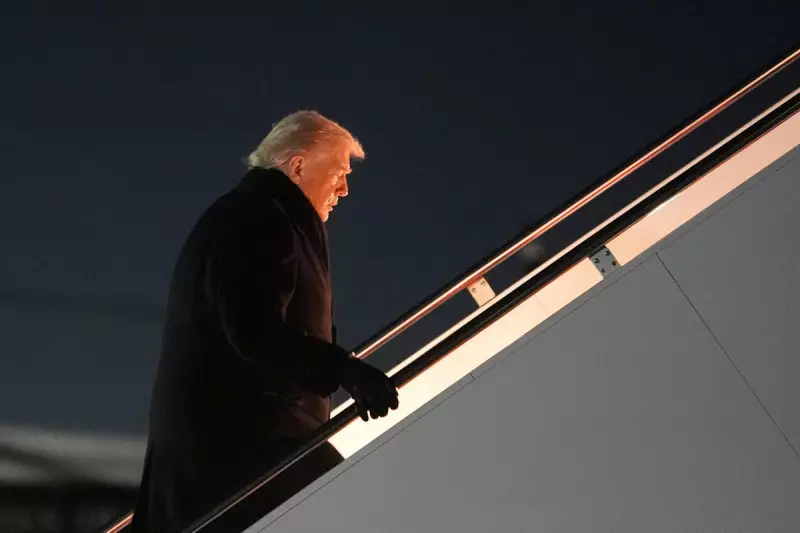
Trump's journey to Davos was not without incident, as his arrival in Switzerland was delayed due to mechanical issues with Air Force One. A minor electrical problem occurred late Monday, approximately 30 minutes into the flight, prompting the crew to turn the aircraft back as a precautionary measure. The President subsequently boarded an Air Force C-32, a modified Boeing 757 typically used for domestic travel to smaller airports, and resumed his trip to Davos shortly after midnight.
The convergence of these events underscores the heightened geopolitical and economic tensions that are likely to dominate discussions at this year's World Economic Forum, with the US Treasury Secretary's remarks adding fuel to an already fiery debate over trade policies and international relations.