Venezuela Approves Oil Sector Reforms Amid US Pressure and Sanctions Easing
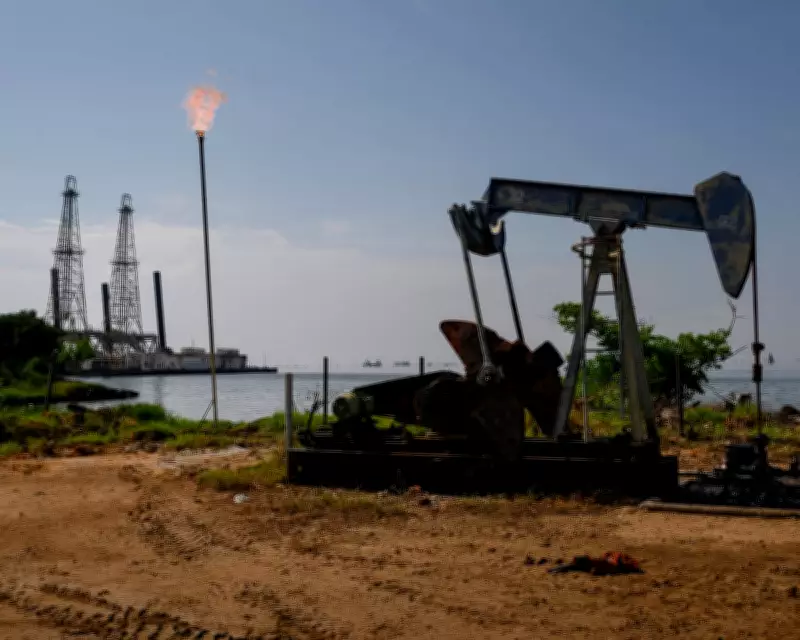
Venezuela's congress has approved a significant bill to reform the country's oil sector, driven by pressure from the United States to attract foreign private investment. The new hydrocarbons law aims to grant private companies greater control over oil production and sales, reduce taxes, and allow for independent arbitration of disputes, while largely maintaining state oversight.
Key Changes and US Involvement
The legislation, which underwent a fast-tracked public consultation process, was unanimously approved by the regime-loyal National Assembly. It allows private companies, even as minority partners in joint ventures with the state-owned Petróleos de Venezuela SA (PDVSA), to exercise technical and operational management directly. This marks a departure from previous rules that mandated state control over operational decisions. Additionally, the law provides for a potential reduction in royalty payments from 30% to as low as 15%.
In a related development, former US President Donald Trump has eased some sanctions on Venezuela's oil industry. The US Treasury issued a general licence authorising transactions involving the Venezuelan regime and PDVSA. Trump also disclosed that US oil companies are already conducting site assessments in Venezuela for potential operations, stating they could bring "tremendous wealth" for both nations.

Expert Caution and Historical Context
Analysts remain cautious about the law's practical application. David Vera, an associate dean in the Craig School of Business, noted that while the law is a positive step, it falls short of what US oil companies need to commit capital at scale. He highlighted ongoing issues with executive discretion and legal uncertainty.
José Ignacio Hernández, a legal scholar and researcher, added that the law improves contractual stability for private investment but fails to address all causes of the oil sector's collapse. Venezuela, which holds the world's largest proven oil reserves, accounts for less than 1% of global production, a stark decline from its peak as a major exporter in the 1920s. Production collapsed after years of mismanagement and corruption, exacerbated by US sanctions, dropping from 3.4 million barrels a day to about 1 million.
Political and Democratic Concerns
Hernández criticised the lack of meaningful public debate during the law's approval, despite regime claims of receiving over 120 proposals. Gonzalo Escribano, head of the energy and climate programme at the Elcano Royal Institute in Spain, argued that Venezuela's oil market will only become genuinely attractive to foreign investment after a democratic transition, which the US has yet to timetable. He emphasised the need for a legitimate government to ensure laws have constitutional backing and cannot be easily reversed.
Hernández echoed this sentiment, expressing fear that the law may be short-lived without broader political reforms.