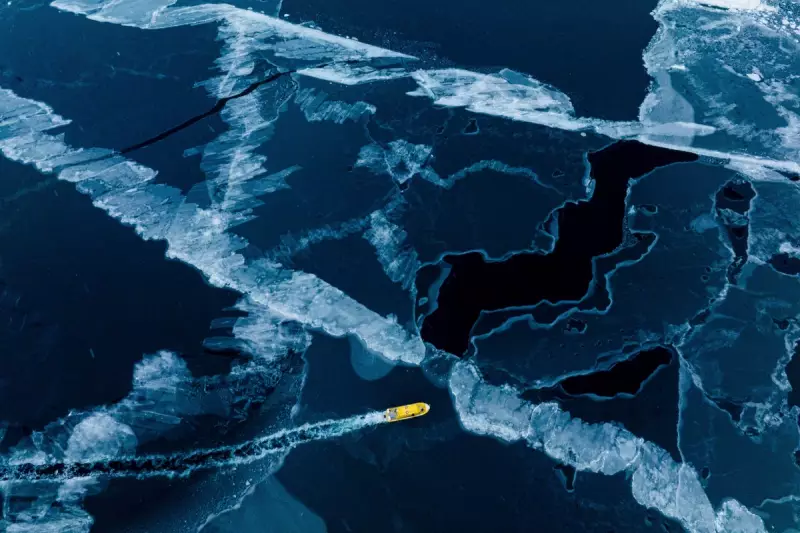
Greenland, the planet's largest island, has emerged as a focal point of intense international interest due to its staggering wealth of natural resources. These assets, critical for powering the global shift towards green technology, include vast reserves of rare earth elements (REEs) and lithium, alongside significant hydrocarbons.
A Geological Treasure Trove Four Billion Years in the Making
The island's exceptional mineral wealth is no accident. It is the direct result of a uniquely varied and ancient geological history spanning an estimated four billion years. This immense timeline involved dramatic episodes of continental collision, mountain building, tectonic rifting, and widespread volcanic activity. These processes concentrated a remarkable array of critical raw materials beneath Greenland's icy surface.
Of particular global significance are its sub-surface deposits of dysprosium and neodymium, two rare earth elements indispensable for manufacturing high-strength permanent magnets. These magnets are essential components in electric vehicle motors and wind turbine generators. Analysis suggests Greenland's reserves could potentially supply over 25% of future global demand for these vital materials.

The Climate Change Paradox: Access vs. Impact
The accelerating pace of climate change presents a profound paradox for Greenland. The rapid melting of its ice sheet, a dire consequence of global warming, is simultaneously making these deeply buried resources more accessible for exploration and extraction. This creates a complex dilemma: the very materials needed to fuel the renewable energy transition and combat climate change can only be reached because of its worsening effects.
Consequently, the prospect of large-scale mining operations raises serious environmental concerns. Extracting these resources could cause significant local damage to Greenland's pristine Arctic ecosystems, even as the end-products are intended to reduce global carbon emissions. This tension is intensifying pressure on existing regulatory frameworks and igniting debate over sustainable development.
Geopolitical Implications and Future Demand
The strategic value of Greenland's resources has not gone unnoticed on the world stage. The concentration of materials critical for defence, technology, and clean energy sectors has placed the island firmly in the geopolitical spotlight. The situation underscores a growing global scramble to secure stable supplies of rare earths and lithium, breaking away from traditional supply chains that are often dominated by a single nation.
As nations and corporations worldwide commit to net-zero targets, the demand for these critical raw materials is projected to skyrocket. Greenland, with some deposits potentially ranked among the world's largest by volume, therefore finds itself at the centre of both an economic opportunity and an ethical quandary. How it navigates the competing interests of economic development, environmental protection, and global energy needs will be a story to watch closely in the coming decades.