Industry Leaders Sound Alarm Over Holiday Tax Increases
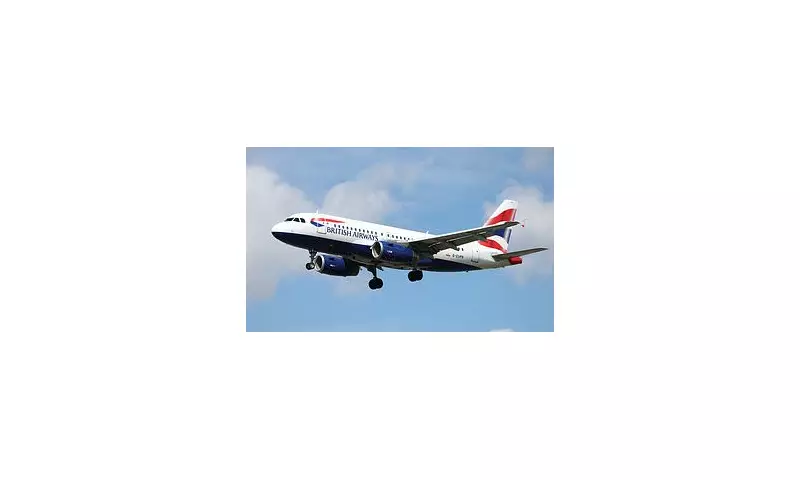
Chancellor Rachel Reeves faces mounting pressure from aviation leaders as former British Airways chief Willie Walsh warns that planned hikes to Air Passenger Duty would constitute a 'disaster for Britain'. The industry veteran has joined forces with other airline executives to urge the government to abandon what they term a 'holiday tax' that could severely impact the UK's travel sector.
Substantial Tax Increases Looming
Under the current proposals, Air Passenger Duty is scheduled to increase by 15 per cent on most fares from April next year. This represents nearly four times the current inflation rate of 3.8 per cent and is projected to generate an additional £2.5 billion for the Treasury by 2030. Analysis conducted for the Daily Mail by the International Air Transport Association reveals that tax will account for approximately 20 per cent of an average basic air fare.
The financial impact on families could be significant, with a family of four travelling to destinations like Dubai or Florida facing over £400 in economy class taxes for the first time. Those opting for premium economy would see their tax burden approach nearly £1,000 as upper-class travel taxes also face increases.
Competitive Concerns and Industry Backlash
Willie Walsh, who now serves as Director General of IATA, expressed grave concerns about the UK's competitive position. 'The UK is 3 per cent of the global air passenger market, but it takes 8.9 per cent of all global aviation tax revenue', he noted in his commentary for the Daily Mail. 'This fleecing of passengers and businesses is costing Britain's economy. Foreign investors are putting their money elsewhere.'
The warning comes with a stark message about operational consequences. 'Airlines have a choice where to fly, and right now they look at the costs of flying to the UK and they think, "maybe I'll send my shiny new quieter and more comfortable plane to Spain instead"', Walsh stated, highlighting that Sweden has recently abolished its passenger tax entirely.
Broader Industry Support for Tax Freeze
EasyJet CEO Kenton Jarvis, speaking at the airline's Luton headquarters, added his voice to the concerns. 'If APD goes up, we will naturally pass that on, and therefore we'll see what impact that has on demand. My guess is it'll go down and hit the economy', he explained, advocating for either freezing or cutting the duty.
Jarvis indicated that easyJet could reconsider its UK operations if taxes become prohibitive, noting that aircraft based in Luton could be redeployed to bases in Basel, Geneva or Bordeaux where better value might be found.
Tim Alderslade of Airlines UK, which represents carriers including Ryanair, Jet2, Virgin Atlantic and Tui, echoed these concerns, stating that 'any further APD increases risk hurting one of our growth success stories, making it much harder to keep flights affordable for families, businesses and international visitors.'
Additional Environmental Tax Concerns
The industry faces a double challenge as holidaymakers may also confront a carbon tax resulting from Sir Keir Starmer's reset deal with the European Union. According to The Times, ministers have agreed to align UK carbon emission rules with European standards to reduce trading friction.
The Resolution Foundation think tank estimates this move could generate an additional £1.5 billion for the Treasury, potentially adding about £21 to flight costs on top of existing APD rates.
The specific APD increases scheduled for April 2026 include:
- Short-haul flights to destinations like Spain, Italy and Greece: 15% increase to £15 per passenger
- Long-haul flights to the USA, Dubai and India: 16% increase to £102
- Ultra long-haul destinations including Australia and Thailand: 15% increase to £106
These rates apply to economy passengers, with premium economy and business class travellers facing even higher charges. Travel industry leaders hope the Chancellor will at least abolish last year's increase to maintain holiday affordability for families, with all eyes on the upcoming Budget announcement on November 26.