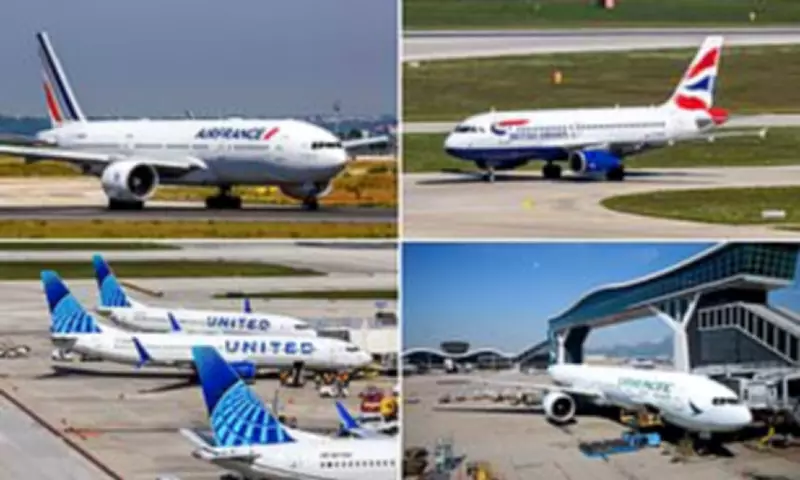
Aviation Industry Grapples with Soaring Fuel Costs and Operational Disruptions
The global aviation sector is confronting a severe crisis as jet fuel prices have doubled since the onset of conflict in the Middle East, compounded by the ongoing closure of the strategic Strait of Hormuz. This situation is creating increasingly difficult operational challenges for airlines worldwide, with many forced to implement emergency measures including fare surcharges and flight cancellations.
Industry Leaders Voice Concerns Over Fuel Supply Uncertainty
Javier Gándara, country director for easyJet's southern Europe operations, recently told the Majorca Daily Bulletin that predicting the full extent of the problem remains "difficult" beyond the next "three or four weeks." He emphasized that "no one will be immune to potential supply problems" as the aviation industry navigates this unprecedented fuel crisis.
The situation has prompted numerous carriers to take immediate action. KLM and Air France have announced fare increases for the second time due to escalating jet fuel costs, while easyJet's leadership has advised holidaymakers to book flights "as early as possible" to avoid anticipated price surges if oil prices remain elevated.

Global Airlines Implement Emergency Measures
European Carriers: Multiple European airlines have announced significant operational changes. German carrier Lufthansa has suspended operations of its regional subsidiary Lufthansa CityLine, citing high kerosene prices and labor disputes. Scandinavian airline SAS has canceled 1,000 flights in April following earlier cancellations in March, while Portuguese carrier TAP is implementing price hikes to partially mitigate fuel cost impacts.
North American Responses: Across the Atlantic, American carriers are taking aggressive measures. Delta Air Lines is cutting capacity by approximately 3.5% and raising checked baggage fees, while United Airlines is reducing unprofitable flights over the next two quarters in anticipation of sustained high oil prices. American Airlines has increased checked baggage fees by $10 for first and second bags, with third bag fees rising by $150.
Asia-Pacific Adjustments: The crisis is particularly acute in the Asia-Pacific region. Air New Zealand has confirmed broad price increases and capacity reductions through May and June, while Cathay Pacific is cutting approximately 2% of scheduled passenger flights from mid-May until June. Qantas Airways faces a potential $500 million hit to full-year profits, prompting domestic capacity reductions and likely fare increases.
Budget Airlines Face Particular Challenges
Low-cost carriers are implementing creative strategies to manage the crisis. India's Akasa Air has introduced fuel surcharges ranging between 199 and 1,300 Indian rupees on domestic and international flights, while Volotea has reportedly added small fuel surcharges to already-booked flights through what it calls an "innovative approach" outlined in its conditions of carriage.
SunExpress, a joint venture between Turkish Airlines and Lufthansa, will impose a temporary €10 fuel surcharge per passenger from May 1 on Turkey-Europe routes, applying to bookings made from April 1 onward.
Regional Impacts and Government Interventions
In Africa, the Airline Operators of Nigeria reached a "concessionary but conditional decision" to temporarily suspend planned flight shutdowns after government intervention, though this agreement remains contingent on ongoing negotiations.
Asian carriers face diverse challenges. Pakistan International Airlines has increased domestic fares by $20 and international fares by $100, while Vietnam Airlines has requested government assistance to remove environmental taxes on jet fuel as it cancels 23 weekly domestic flights.
Long-Term Industry Outlook
Some carriers have implemented protective measures. British Airways revealed it has hedged much of its fuel for the short-to-medium term and does not plan immediate ticket price increases. However, easyJet has warned customers to expect higher ticket prices toward summer's end as existing fuel hedges expire.

The aviation industry's response to this crisis demonstrates the widespread impact of geopolitical events on global transportation networks. With fuel prices remaining volatile and supply chains disrupted, airlines continue to adjust strategies daily, implementing phased response measures based on oil price levels and intensifying cost-efficiency initiatives across operations.
As the situation evolves, passengers worldwide face increased travel costs and reduced flight availability, while airlines navigate one of the most challenging operational environments in recent aviation history. The coming weeks will prove critical for determining the long-term implications of this fuel crisis on global air travel patterns and pricing structures.