Motorists in England and Wales are facing a significant tightening of drink-driving laws as part of a major new government strategy designed to tackle stalled progress on road safety. The plans, the first of their kind in over a decade, aim to drastically reduce fatalities and serious injuries on British roads.
A New Lower Limit and Stricter Penalties
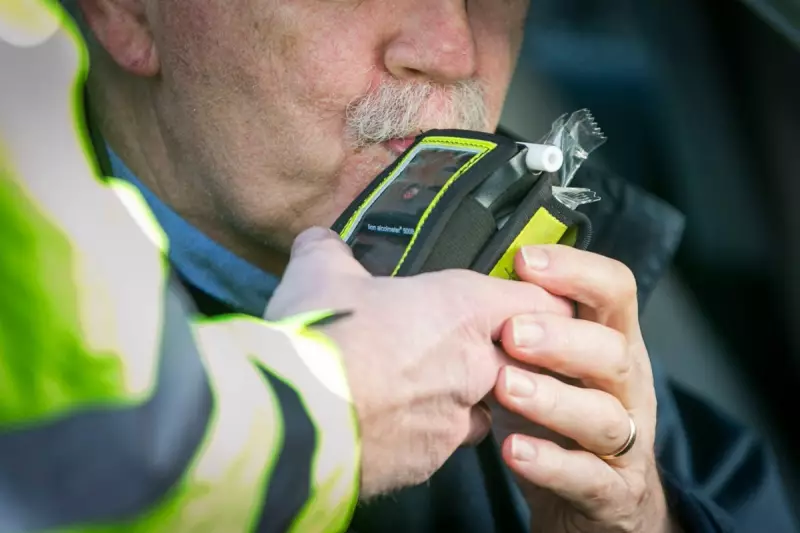
At the heart of the strategy is a proposal to reduce the legal drink-drive limit in England and Wales from its current level of 35 micrograms of alcohol per 100ml of breath. The government is consulting on cutting this to 22 micrograms, which would bring both nations into line with Scotland, where the limit was lowered in 2014.
Currently, England, Wales and Northern Ireland share the highest legal limit in Europe, alongside Malta. The power to change the limit in Northern Ireland rests with the devolved administration in Belfast.

Alongside the lower limit, the strategy proposes that some convicted drink-drivers could be required to have alcolocks fitted to their vehicles as a condition of regaining their licence. These devices prevent a vehicle from starting unless the driver passes a breath test.
Broader Road Safety Ambitions
The overarching goal of the new road safety framework is to achieve a 65 per cent reduction in road deaths and serious injuries by 2035, with an even more ambitious target of a 70 per cent reduction for children under 16.
The Department for Transport (DfT) stated that 22 European countries have made more progress than the UK in cutting road crash deaths in recent years. While the number of fatalities has generally fallen since the 1970s, the rate of decrease has slowed markedly since 2010.
Other measures out for consultation include:
- Introducing mandatory sight tests for drivers once they reach the age of 70.
- Enforcing a minimum learning period for new, novice drivers.
- A crackdown on uninsured drivers and illegal number plates.
Industry and Charity Reaction
Transport Secretary Heidi Alexander said the strategy marked a decisive turning point after years of stalled progress. "Every life lost on our roads is a tragedy that devastates families and communities," she stated.
The plans have been welcomed by road safety groups and motoring organisations. AA president Edmund King described it as a "radical reframing of road safety", while RAC spokesperson Rod Dennis said it "can't come soon enough".
Nicholas Lyes of IAM RoadSmart called the measures "robust policies to make our roads safer" after what he termed a "lost decade".
Karen Tyrell, chief executive of Drinkaware, highlighted that the proportion of drink-driving collisions causing fatalities has nearly doubled since 2015. She stressed it was "vital that this change is coupled with strong enforcement" to be effective.