The Driver and Vehicle Standards Agency (DVSA) has issued a stern 'no excuses' warning to motorists across the United Kingdom regarding a critical and widespread error related to Highway Code Rule 113. This oversight could result in drivers operating their vehicles illegally after nightfall, potentially endangering themselves and other road users.
Understanding the Legal Obligations
According to Rule 113 of the Highway Code, drivers face explicit legal obligations when motoring after dark. Motorists must ensure that sidelights and rear number plate lights are switched on between sunset and sunrise. In most instances, headlights must also be activated during the hours of darkness.
The regulations define night as the period between half an hour after sunset and half an hour before sunrise, a specification that many drivers frequently disregard. Headlights are equally compulsory when visibility is severely compromised, such as during torrential rain, dense fog, or heavy snowfall.

The Hidden Danger of Modern Vehicle Technology
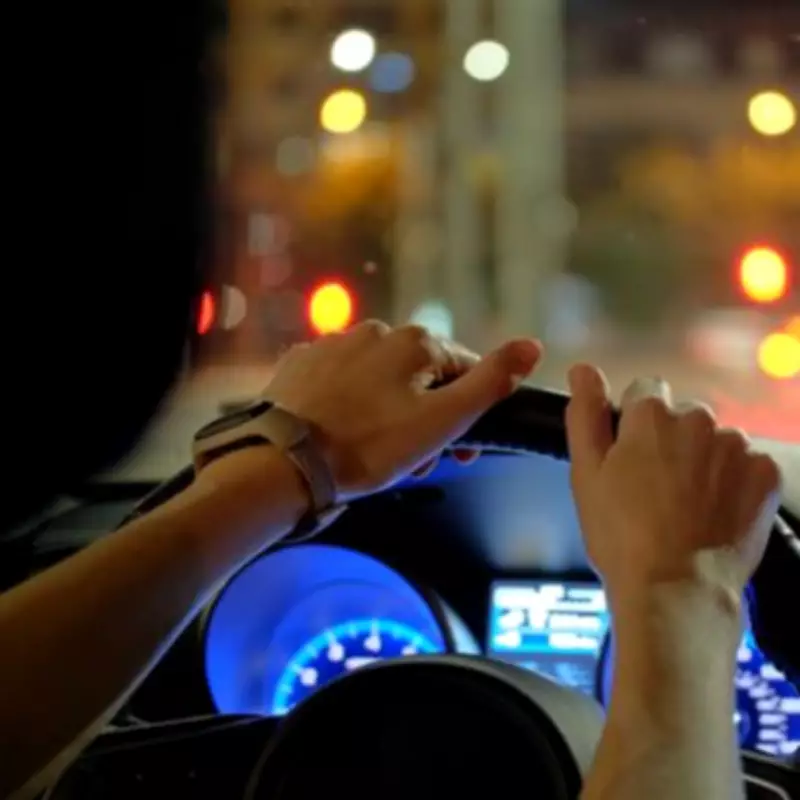
The DVSA warning draws attention to an escalating problem with more recent vehicle models. Automated lighting mechanisms and brightly illuminated instrument panels can give drivers a false impression that their lights are operating at full capacity. In reality, only daytime running lights might be functioning, leaving the vehicle's rear section in complete darkness.
This poses a significant hazard for fellow road users, especially on unlit rural roads or high-speed motorways, where vehicles approaching from the rear may fail to spot a car until it is dangerously close. The agency has emphasised in unambiguous language: "PUT YOUR LIGHTS ON AT NIGHT!"
Proper Use of Fog Lamps and Avoiding Glare
The Highway Code also establishes stringent boundaries on light usage to prevent accidents and ensure safety for all. Motorists must avoid using lights in ways that blind others, including pedestrians, cyclists, and equestrians.
Fog lamps, in particular, are commonly misapplied. These should only be activated when visibility is severely compromised and must be deactivated immediately once conditions clear. Additionally, drivers stationary in traffic congestion are encouraged to release the brake pedal once following vehicles have halted, preventing needless glare that can distract other motorists.
The DVSA's Firm Stance on Driver Responsibility
The DVSA's position is clear and uncompromising: motorists cannot depend exclusively on vehicle technology. With lighting regulations supported by legislation, neglecting to employ correct lights after dark is not merely negligent—it could place drivers in direct breach of the law.
This warning serves as a crucial reminder that while modern vehicles offer advanced features, ultimate responsibility for safe driving practices rests with the individual behind the wheel. Ensuring proper lighting is a fundamental aspect of road safety that protects everyone on Britain's roads.