UK drivers are being issued an urgent safety warning to prepare their vehicles as meteorologists predict a severe three-day snow blizzard is set to hit the country later this month. The warning comes amid already freezing temperatures and follows recent snow flurries and disruption from Storm Goretti.
Expert Winter Driving Advice to Avoid Breakdowns
With many turning to social media for advice, experts stress the importance of professional guidance. Andy Watt, Group Vice President for Mercedes-Benz at Stratstone, has provided a comprehensive set of winter driving tips to help motorists navigate the hazardous conditions safely. "Winter driving conditions can catch all drivers off guard, including the most experienced," Watt stated. He emphasised that freezing temperatures, wet roads, and reduced daylight significantly increase risks.
Watt advises all drivers to take a few minutes before any journey to check key areas: battery, fluids, tyres, and lights. This simple routine can dramatically reduce the chance of a breakdown or accident during the impending severe weather.

Critical Tyre Checks for Snow and Ice
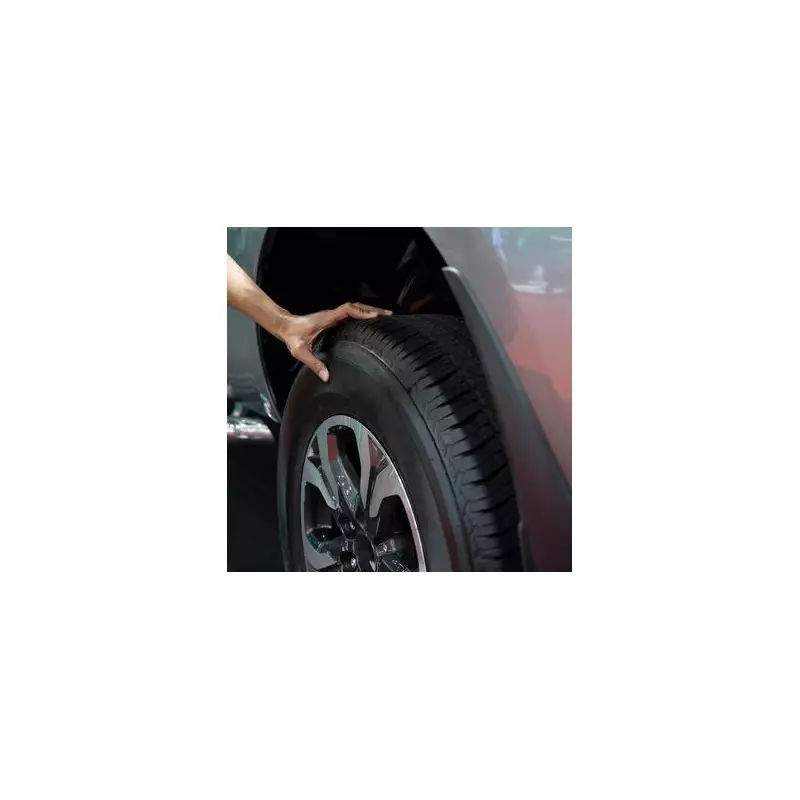
Tyre safety is paramount in winter. While the legal minimum tread depth is 1.66mm, Watt recommends drivers aim for at least 3mm during colder months. "Deeper tread helps your car have better grip in wet, icy, and snowy conditions, which can dramatically reduce stopping distances," he explained.
He also highlighted that cold weather causes tyre pressures to drop rapidly, affecting both safety and fuel efficiency. Regular pressure checks are therefore essential. For vehicle handling, he noted that rear-wheel drive cars can struggle in snow, suggesting adding weight to the boot or using snow chains to improve traction.
Battery, Fluids, and Essential Winter Kit
Battery failure is a leading cause of winter breakdowns. Cold weather makes engines harder to start while increasing power demand for heating and lights. Watt recommends testing or replacing any battery over four years old before temperatures plummet further.
Fluids are equally critical. Frozen coolant can cause major engine damage. Watt advises topping up coolant and mixing it 50/50 with antifreeze. Screenwash should also be checked frequently due to dirtier winter roads.
For essential journeys in risky conditions, carrying a winter kit is a smart precaution. Watt suggests including:
- Blankets and a hi-vis vest
- A torch and shovel
- Snacks and water
"It’s really important to be prepared for the unexpected," he added.
Visibility and Safe De-icing Methods
With compromised visibility in winter, ensuring all lights are clean and functional is vital. A blown bulb is a safety hazard and can lead to legal penalties. Carrying spare bulbs is a simple safeguard.
Watt also warned against a common dangerous practice: pouring boiling water on a frozen windscreen, which can cause instant cracking. Instead, he recommends using a scraper and de-icer spray, or starting the car early with the heater on low, to clear ice safely and avoid costly repairs.
By following this expert advice, drivers across the UK can significantly improve their safety and preparedness as the nation braces for the forecasted severe winter weather.