Eurostar has issued a stark warning to passengers planning to travel between the UK and continental Europe, urging them not to attempt their journeys due to severe disruption within the Channel Tunnel.
Cause of the Major Disruption
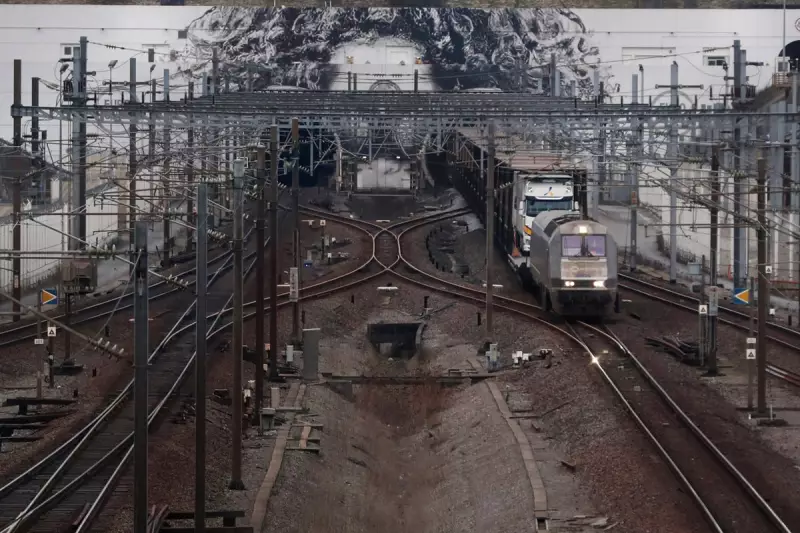
The significant travel chaos, occurring on Tuesday 30 December 2025, stems from a dual failure. An overhead power supply problem combined with a failed Le Shuttle train has brought services through the critical underwater link to a near-standstill. Le Shuttle is the service that transports cars and other vehicles between Folkestone and Calais.
In an official statement, a Eurostar spokesperson confirmed the issues are causing extensive delays and cancellations to their passenger train services. The operator's advice was unequivocal: "We strongly advise all our passengers to postpone their journey to a different date." They added, "Please don't come to the station unless you already have a ticket to travel."

Peak Holiday Travel Impact
The timing of this incident could hardly be worse, striking at the peak of the New Year's Eve holiday travel period. Thousands of travellers hoping to cross the Channel for celebrations or to return home have seen their plans thrown into disarray.
While Eurostar works to resolve the technical faults and clear the blocked tunnel, the knock-on effect is expected to last for many hours. Passengers holding tickets for affected services are being advised to check the Eurostar website and app for the latest updates on rebooking and refunds.
Advice for Affected Travellers
The key message from the operator remains clear: avoid non-essential travel via the Channel Tunnel for the time being. For those already at London St Pancras, Paris Gare du Nord, or other connecting stations, patience will be required as staff manage the backlog.
This major disruption highlights the vulnerability of this vital transport corridor and the widespread impact a single point of failure can have, especially during one of the busiest travel windows of the year.