Transport Minister Lilian Greenwood has declared "enough is enough" as the Government prepares to unveil plans for the first reduction to the drink-drive limit in England and Wales since 1967.
A Duty to Act on Preventable Deaths
Ms Greenwood, visibly moved by conversations with bereaved families, stated it is the Government's "duty" to act to stop preventable road deaths. She revealed that harrowing discussions with those who have lost loved ones in alcohol-related crashes over the past 18 months have driven the policy forward.
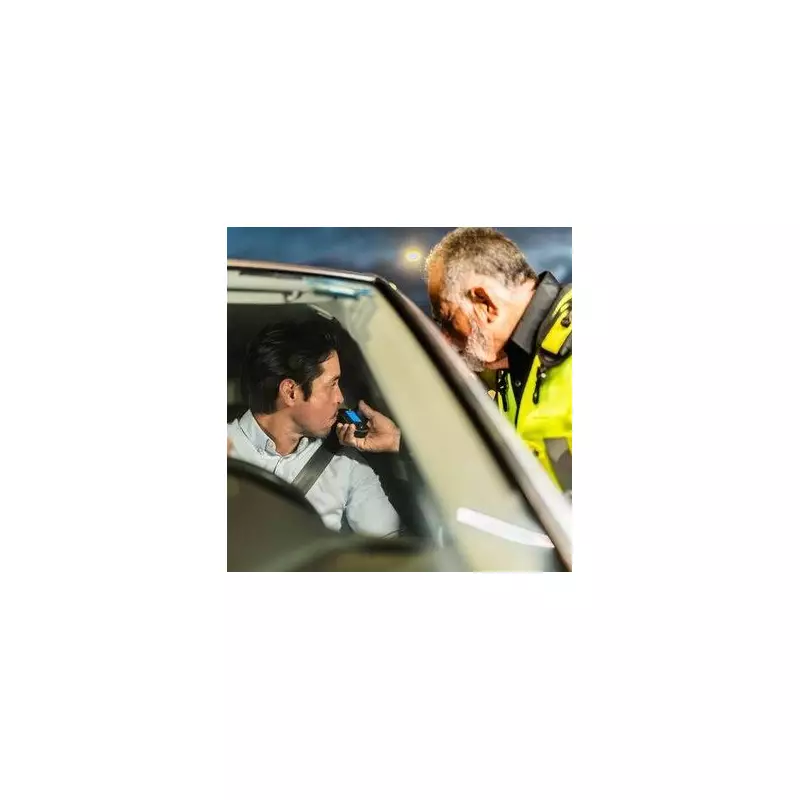
The proposed strategy, set for publication on 7 January 2026, would see the legal limit lowered from 35 micrograms of alcohol per 100 millilitres of breath to 22 micrograms. This dramatic shift would align England and Wales with Scotland and numerous European nations.

"If you're going to drive, don't have a drink. If you want to have a drink, leave your car at home," Ms Greenwood told Sky News, emphasising the clear message behind the reform. She pointed to stark statistics, noting that 260 people were killed in drink-drive incidents last year, with four lives lost on roads daily and 90% of collisions deemed preventable.
Backlash from Pubs and Political Opponents
The plans have ignited significant opposition, particularly from the hospitality sector and political critics who warn of dire consequences for community pubs. Reform UK leader Nigel Farage launched a scathing attack, labelling the proposal a "death knell for country pubs across Britain" and accusing Labour of being out of touch.
Echoing these concerns, the British Beer and Pub Association (BBPA) warned that the policy would heap further pressure on an already struggling industry. A spokesman told The Telegraph that any measure impacting trade would cause "real concern to licensees, especially those in rural areas".
Minister's Rebuttal and Alternative Solutions
In response to the criticism, Minister Greenwood insisted the Government does not intend to ruin social lives. "We don't want to stop people from going to the pub and having a great night out. What we're just saying is don't take your car," she clarified during an interview with Times Radio.
She advocated for practical alternatives, suggesting the use of public transport, taxis, or designated drivers within groups. Furthermore, she highlighted the expanding market for great low-alcohol and alcohol-free drinks now offered by most major brands, providing consumers with more choice.
To bolster her argument, Ms Greenwood cited evidence from Scotland, where a similar reduction in the limit was implemented. She stated this change did not have a "significant impact" on the pub trade, suggesting fears of economic damage may be overstated.
The debate sets the stage for a major policy shift, pitting road safety campaigners and grieving families against parts of the hospitality industry, with the Government firmly positioning itself on the side of prevention.