The Labour government is facing fierce accusations of threatening the survival of rural pubs across England and Wales, following its proposal to significantly tighten drink-driving laws. Ministers have unveiled a consultation on cutting the legal alcohol limit for drivers, a move opponents claim will devastate countryside communities where public transport is scarce.
The Proposed Limit Change and Safety Rationale
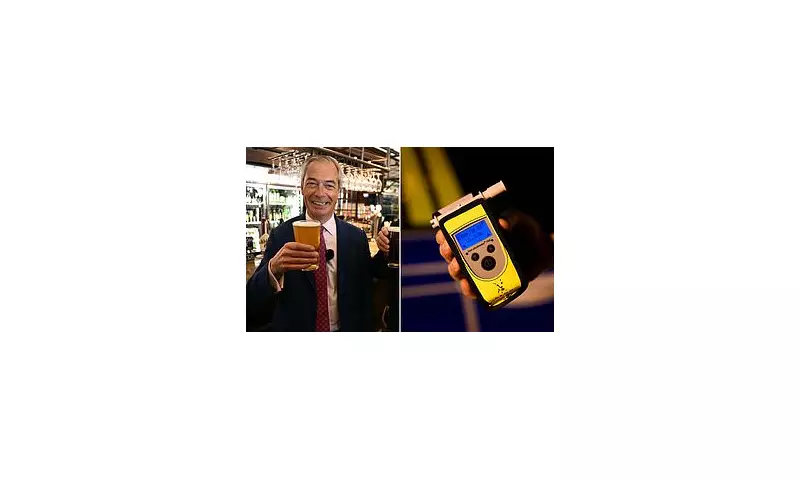
The government's new road safety strategy includes plans to consult on reducing the drink-drive limit from 35 micrograms of alcohol per 100 millilitres of breath to 22 micrograms. This would bring England and Wales into line with Scotland, which implemented the lower limit in 2014. The current limit in England and Wales is the joint highest in Europe, matched only by Malta.
Transport Minister Lilian Greenwood defended the proposal, citing road safety data that shows one in six road fatalities in 2023 involved drink-driving. She argued the change is necessary to save lives, insisting it would not prevent people from enjoying a 'great night out' if they 'don't take your car'. Ms Greenwood suggested alternatives such as using buses or taxis, arranging a designated driver, or choosing from the growing range of alcohol-free beverages.

Backlash from Critics and the Hospitality Industry
The announcement has triggered a sharp backlash, with critics arguing it displays a profound disconnect with life outside major cities. Reform UK leader Nigel Farage was scathing, telling The Telegraph: 'This is a death knell for country pubs across Britain. Labour has no connection to how real life works.'
Conservative shadow transport minister Greg Smith echoed these concerns, criticising the plan as 'another chapter of Labour's anti-driver playbook'. He emphasised the regional disparities in travel, stating: 'Road safety in rural Lincolnshire is not the same as road safety in central London. Yet Labour have produced a one-size-fits-nowhere strategy.'
The British Beer and Pub Association (BBPA) urged the government to ensure its plans are 'proportionate and evidence-based'. A BBPA spokesperson highlighted the sector's commitment to promoting responsible drinking but warned that pubs 'continue to face huge challenges'. They expressed particular concern for rural licensees, where the impact of any policy affecting trade would be most acutely felt.
Broader Context and Additional Measures
This controversy adds to growing tensions between Labour and the hospitality industry. Some pubs have already banned Labour MPs following the Chancellor's decision to end a Covid-era business rates relief scheme last November.
The wider road safety strategy also includes other significant proposals:
- Requiring some convicted drink-drivers to have 'alcolocks' fitted to their vehicles.
- Introducing new powers to suspend driving licences for individuals suspected of drink or drug-driving offences.
Minister Greenwood pointed to evidence from Scotland, suggesting the 2014 limit reduction there did not have a 'significant impact' on the pub trade. However, opponents contend that Scotland's more concentrated population and different rural travel patterns make direct comparisons flawed.
The consultation will now proceed, setting the stage for a heated debate that pits road safety campaigners against rural communities and a beleaguered hospitality sector fearing for its future.