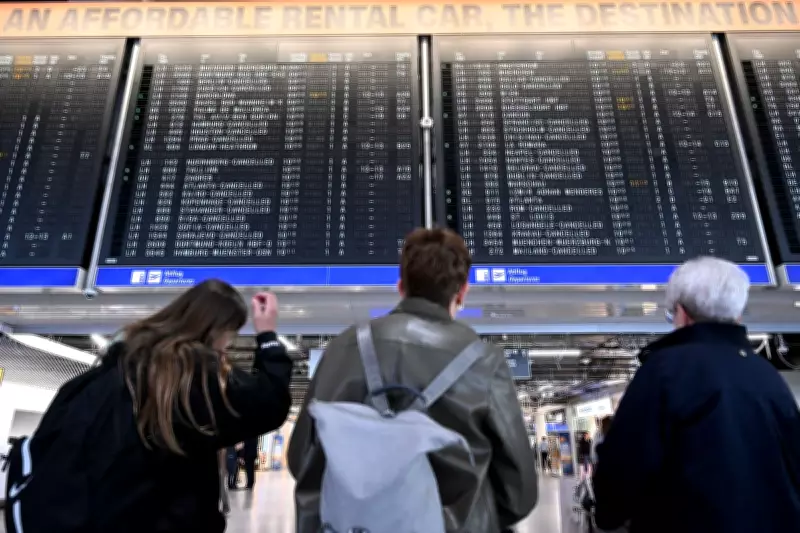
A major industrial action by cabin crew at Lufthansa and its regional unit, Lufthansa CityLine, caused severe disruption across Germany on Friday, grounding over 500 flights and stranding approximately 72,000 passengers. The strike, organised by the UFO union, primarily impacted Frankfurt and Munich airports, two of the busiest aviation hubs in Europe.
Union Escalation and Airline Criticism
The UFO union described the day-long strike as an "inevitable escalation" following stalled negotiations with Lufthansa management over wage and working conditions. In response, Lufthansa strongly criticised the industrial action, labelling it "completely disproportionate" and highlighting the significant inconvenience caused to travellers.
Contrast with New Subsidiary Agreement
In a contrasting development, Lufthansa's newest subsidiary, Lufthansa City Airlines, successfully finalised its first collective wage agreement with the rival Verdi union. This deal secured substantial pay rises and enhanced benefits for staff, showcasing a different approach to labour relations within the Lufthansa Group.

Broader Restructuring and Staff Concerns
The strikes occur against the backdrop of a wider restructuring initiative within the Lufthansa Group. The company plans to close Lufthansa CityLine by the end of the year, transferring its operations to the newer, more cost-efficient Lufthansa City Airlines. This strategic move has raised considerable concern among CityLine employees regarding job security and future employment terms.
The industrial action underscores ongoing tensions between unions and management in the aviation sector, with passengers bearing the brunt of the operational chaos. The disruption highlights the challenges airlines face in balancing cost-cutting measures with labour demands in a post-pandemic recovery phase.