MH370 Search Resumes: £56m Hunt with 6,000m Deep Robots
New MH370 Search with Deep-Sea Robots Begins

More than ten years after its baffling disappearance, the hunt for Malaysia Airlines flight MH370 is set to resume with unprecedented technological force. The Malaysian government has commissioned marine robotics firm Ocean Infinity to conduct a final, decisive search on a "no find, no fee" basis, with a potential reward of $70 million (£56 million).

The Decade-Long Mystery of Flight MH370

On 8 March 2014, flight MH370 vanished from radar while carrying 239 people from Kuala Lumpur to Beijing. After inexplicably turning west off its planned route, the Boeing 777 continued to send hourly satellite signals for nearly six hours until it is believed to have crashed into the southern Indian Ocean after running out of fuel.

Despite one of the most extensive and costly searches in aviation history, the main wreckage has never been found. Numerous pieces of debris, confirmed to be from the aircraft, have washed ashore around the Indian Ocean, but the crucial crash site and the majority of the plane remain elusive.

The High-Tech Hunt: Ocean Infinity's Robotic Fleet

Leading the new charge is UK and US-based Ocean Infinity, a company renowned for locating difficult underwater targets, most famously Sir Ernest Shackleton's ship Endurance in 2022. After an unsuccessful search of over 80,000 sq km in 2018, the firm is now deploying its most advanced equipment.

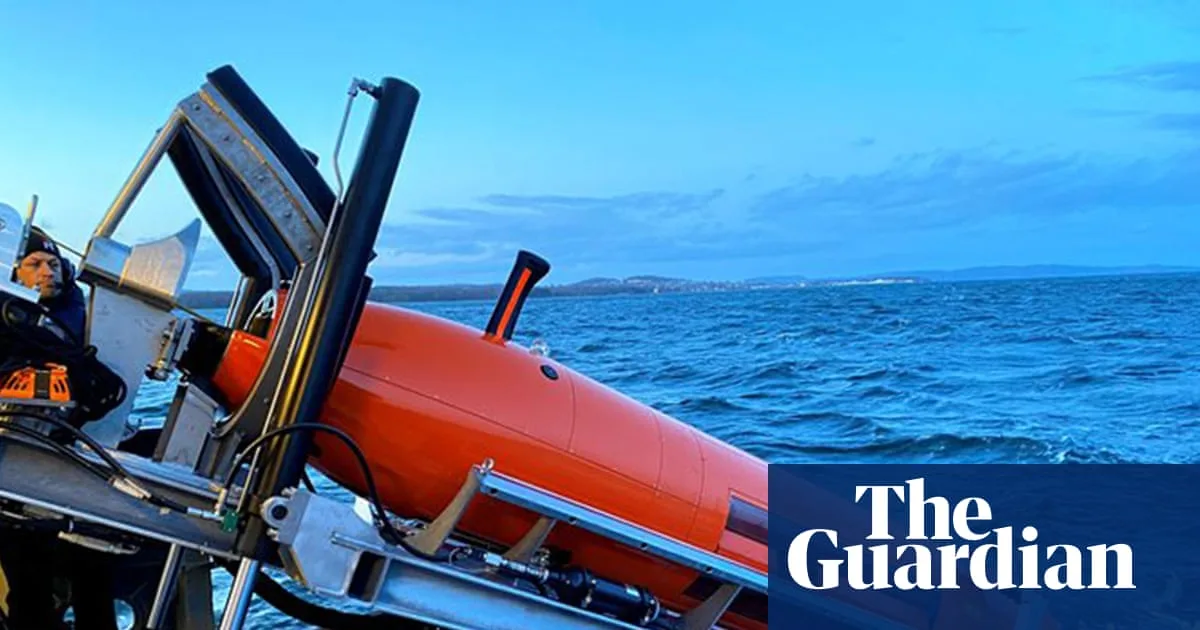
The centrepiece of the operation is a fleet of Hugin 6000 Autonomous Underwater Vehicles (AUVs). Each multi-million dollar robot is capable of diving to depths of 6,000 metres, using a suite of sensors including sonar, lasers, high-resolution cameras, and echo sounders to map the seabed in meticulous detail.

"You can say: make me a map of that area and come back when you're done," explains Professor Simon Maskell, an autonomous systems expert and former scientific adviser to Ocean Infinity.

Uncovering Secrets Buried in Sediment

These free-swimming robots operate independently for up to 100 hours, creating 3D maps of the ocean floor. Crucially, they are equipped with magnetometers capable of detecting metal, even if it is buried under several metres of sediment. If a potential target is identified, remote-operated vehicles (ROVs) with robotic arms and floodlights can be deployed for closer inspection and recovery.

Navigating a Monstrous and Treacherous Search Zone

The primary challenge remains the vast and hostile search area. The initial priority zone covers 15,000 square kilometres in the Indian Ocean, a region selected as having the highest likelihood of containing the wreckage. The broader potential area, however, spans a "monstrously big" 120,000 sq km.

"The ocean floor is a very complicated environment," says Professor Maskell. "It's not just flat. You've got huge mountains, ridges and chasms." Independent aviation investigator Richard Godfrey adds that the area features deep canyons, sheer cliffs, and active volcanoes, making navigation and detection exceptionally difficult.

Ocean Infinity began searching in February but paused after 22 days due to severe weather. The mission is scheduled to restart on 30 December for a 55-day campaign. Godfrey estimates the company has already scoured nearly 10,000 sq km and may extend the search beyond the initial priority area.

A Quest for Closure, Not Just Reward

While the financial incentive is significant, experts believe Ocean Infinity is driven by the monumental achievement of solving one of aviation's greatest mysteries. "I don't think they're in this for the monetary reward," states Godfrey. "I think they're in this for the achievement and their ability to market themselves as the greatest underwater-search firm in the world."

The crew faces relentless challenges: analysing vast amounts of data, maintaining equipment in rough seas, and operating around the clock in some of the world's most inhospitable waters. Yet, the hope persists that this final, technologically advanced effort may finally provide answers for the families of the 239 people lost and close a haunting chapter in modern history.