A crucial daylong hearing convened by the National Transportation Safety Board (NTSB) on Tuesday is set to bring into sharp focus the primary factors that led to last January's catastrophic midair collision near Washington, D.C. The tragic incident, which claimed the lives of 67 individuals, will be scrutinised with the board expected to issue formal recommendations aimed at preventing similar disasters in the future.
Unravelling the Tragedy
The collision occurred on the 29th of January, 2025, when an American Airlines passenger jet, en route from Wichita, Kansas, collided with a United States Army Black Hawk helicopter. Both aircraft subsequently plummeted into the icy waters of the Potomac River, resulting in the loss of everyone on board. This event stands as the deadliest aviation disaster on U.S. soil since the tragic events of 2001.
Families Seek Clarity and Change
For the grieving families of the victims, the hearing represents a pivotal moment. Rachel Feres, who lost her cousin Peter Livingston along with his wife and two young daughters, expressed a heartfelt hope for decisive action. "I hope that we see a clear path through the recommendations they offer to ensure that this never happens again," she stated. "That nobody else has to wake up to hear that an entire branch of their family tree is gone... I hope we have clarity and urgency."

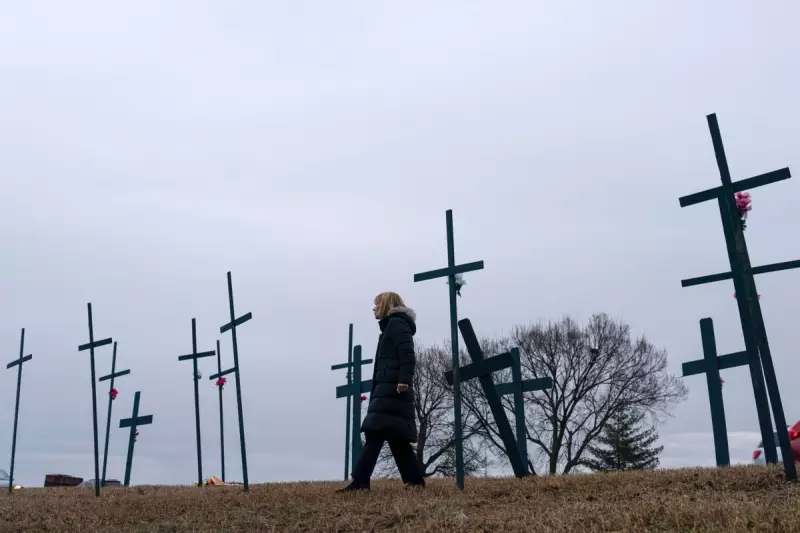
Among the deceased were 28 members of the figure skating community, including young sisters Alydia and Everly Livingston. Many had been returning from a national skating competition and development camp in Wichita.
Known Contributing Factors
The NTSB has previously identified several critical elements that contributed to the disaster. These include:
- A poorly designed helicopter flight path in the vicinity of Reagan National Airport.
- The Black Hawk helicopter flying approximately 78 feet (23.7 metres) above its assigned altitude.
- Warnings issued to the Federal Aviation Administration (FAA) in the preceding years that were reportedly ignored.
- A decision by the Army to deactivate a key system that would have provided a clearer broadcast of the helicopter's location to other air traffic.
Regulatory Response and Future Action
In the aftermath of the crash, the FAA implemented several immediate changes to segregate helicopter and fixed-wing aircraft traffic in the congested airspace around the nation's capital, making these alterations permanent just last week. However, the NTSB is poised to recommend further, more comprehensive actions.
The effectiveness of these recommendations will ultimately hinge on the responses from Congress, the U.S. Army, and the administration. Victim's families have vowed to maintain pressure on officials to ensure meaningful reforms are enacted.
Broader Aviation Safety Context
The Washington D.C. collision was followed by a series of other high-profile aviation incidents and near-misses throughout 2025, which heightened public concern over air safety. Despite this, NTSB statistics indicate that the total number of aviation crashes across the United States last year was the lowest recorded since the onset of the COVID-19 pandemic in 2020, with 1,405 incidents nationwide.
The hearing aims to provide a definitive account of the failures that led to this specific tragedy, offering a roadmap for systemic improvements to safeguard against such a devastating loss of life ever occurring again.