New Jersey Confirms Massive World Cup Train Fare Hikes
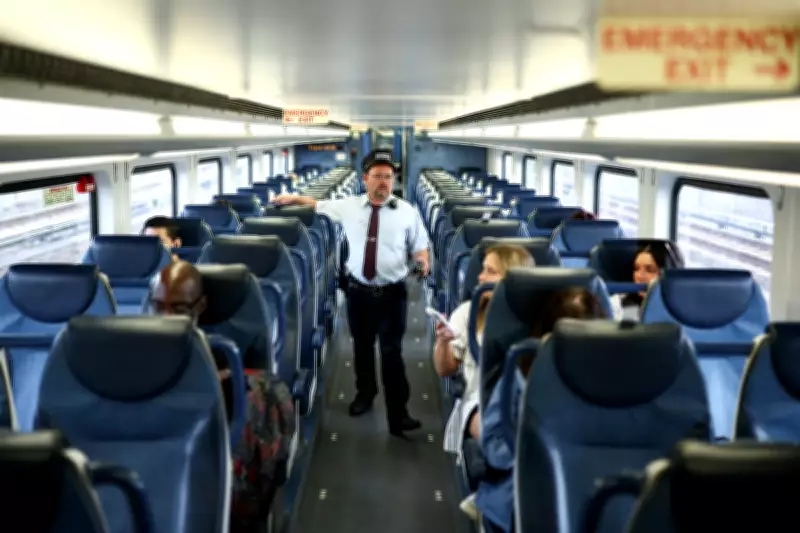
Train fare prices for attending World Cup matches in New Jersey have been officially confirmed, revealing exorbitant costs that are set to burden soccer fans. Those traveling from New York City to MetLife Stadium, for example, will face a staggering $150 (£111) round-trip fare per match, as announced by officials on Friday. This represents a nearly twelve-fold surge from the regular $12.90 (£9.50) charge for the short 15-minute, 14-kilometer journey from Manhattan's Penn Station to the stadium in East Rutherford, New Jersey.
Justification and Backlash Over the Price Surge
New Jersey authorities have defended the substantial upcharge as essential to cover the expenses of hosting the World Cup, which returns to the United States for the first time since 1994. NJ Transit officials plan to spend $62 million (£46.2 million) on transporting fans throughout the tournament, with only $14 million (£10.3 million) offset by external grants. NJ Transit President and CEO Kris Kolluri emphasized that this is not price gouging but an effort to recoup costs, stating, "We're literally trying to recoup our costs."
However, the fare hike has sparked significant criticism. New Jersey Governor Mikie Sherrill, a Democrat, has urged FIFA, soccer's global governing body, to cover these transportation expenses, warning that New Jerseyans should not subsidize World Cup ticket holders. Similarly, New York Governor Kathy Hochul, also a Democrat, expressed dismay, posting on social media that charging over $100 for a short train ride sounds excessively high.

Comparisons with Other Host Cities and FIFA's Response
Other World Cup host cities are implementing different approaches. In Boston's suburbs, express buses to Gillette Stadium will cost $95 (£70), and round-trip train tickets from Boston are priced at $80 (£59), four times the normal rate. Conversely, cities like Los Angeles, Atlanta, Houston, Philadelphia, and Kansas City have pledged to keep transit fares unchanged, benefiting from approximately $100 million (£73.9 million) in federal transit grants for enhanced services.
FIFA has strongly disapproved of suggestions to bear transit costs, pointing to 2018 agreements with host cities that stipulated free transportation for fans to all matches. The organization expressed surprise at the outrage from US politicians, noting it worked for years on transportation plans and advocated for federal funding. FIFA also argued that no other major event at MetLife Stadium required it to pay for fan transportation.
Logistical Challenges and Alternative Options
With on-site parking largely unavailable due to space being used for a fan village, shuttle buses, and FIFA staff, New Jersey officials anticipate around 40,000 fans will rely on mass transit for each of the eight World Cup matches at MetLife Stadium, including the final on 19 July. Alternatives to the train are also costly: shuttle buses from Manhattan will cost $80 roundtrip, and parking spots at the nearby American Dream Mall are being sold in advance for $225.
This situation echoes past challenges, such as during the 2014 Super Bowl at MetLife Stadium, when New Jersey Transit struggled to accommodate 33,000 passengers, leading to overcrowded platforms and hours-long waits. The fare increases, initially reported by sports outlet The Athletic, add to already high ticket prices, potentially impacting fan attendance and experience for matches featuring teams like Brazil, France, Germany, and England starting on 13 June.