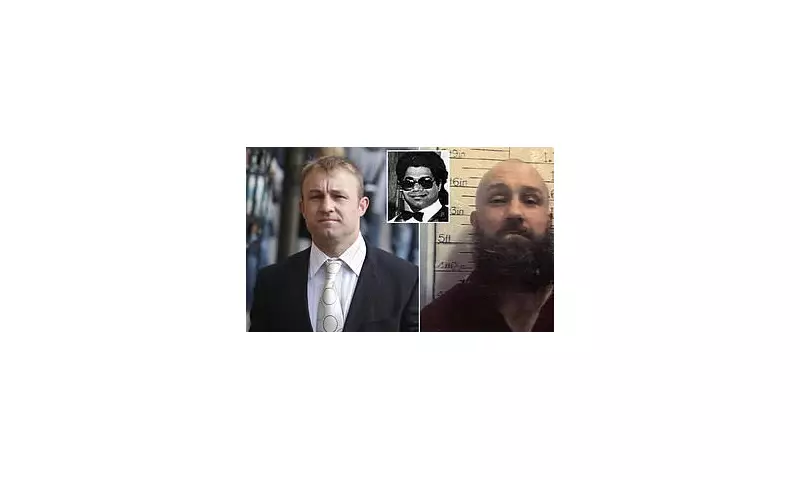
A new BBC documentary is set to re-examine one of Scotland's most shocking murders, a crime that shattered the peace of the Orkney islands and took 14 years to solve. The case involves the cold-blooded killing of a young Bangladeshi waiter and the subsequent conviction of a decorated soldier from a prominent local family.
A Brutal Crime and a Long Investigation
The murder of 26-year-old Shamsuddin Mahmood on June 2, 1994, was the first on Orkney in a quarter of a century, sending shockwaves across the nation. Mr Mahmood was executed at point-blank range in a act of cold-blooded violence that horrified the community.
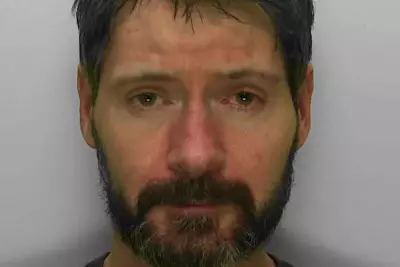
The investigation into his death became a long and complex inquiry. It was not until 2008, after a 14-year effort, that Michael Ross was convicted of the murder. At the time of the killing, Ross was a 15-year-old schoolboy. He was later jailed for a minimum of 25 years. Ross had gone on to become a decorated soldier with the Black Watch regiment.

Prison Recordings: Claims of Innocence
The documentary features the first audio recordings of Ross, now 47, discussing the case. Rather than expressing remorse, he continues to insist he is innocent. In the recordings, he states bluntly, "I can’t be any clearer. I never murdered Shamsuddin."
He directly addresses the prosecution's suggestion that he committed the murder to experience killing someone, calling the idea "totally out of the question." Ross claims his only aspirations were to join the Army, get married, and lead a normal family life.
The case against him rested on three key pieces of evidence:
- He was seen in Papdale Woods two weeks before the murder, wearing the same type of balaclava as the killer.
- He had access to the same make and calibre of bullets used in the shooting.
- Witness William Grant came forward 12 years after the murder, claiming he saw Ross with a balaclava and a gun in public toilets near the crime scene.
Explaining the Evidence and a Racist Motive
Ross attempts to explain this evidence in the recordings. He claims he was in Papdale Woods to confront a boy who had been "beating up" his ex-girlfriend, and he wore the balaclava to avoid being recognised by his father, who was a local policeman.
He says he later threw the balaclava into the sea with stones in it, not to destroy evidence, but because his father had reprimanded him for taking it to school. His father, Edmund Ross, was later jailed for four years in 1997 for perverting the course of justice by hindering the murder inquiry.
Ross also dismisses the account of witness William Grant, stating he did not know him and had never met him.
The trial heard that the murder may have had a racist motive. Jurors were told that Ross, as a schoolboy, told a fellow Army cadet that "blacks should be shot" and had textbooks defaced with Swastikas and SS symbols. Ross claims he does not remember the comments but can imagine having said something similar as a child, dismissing the drawings as "silly little doodles."
A Dramatic Escape Attempt and Life in Prison
Interest in the case was further fuelled by Ross's behaviour after the verdict. Upon being found guilty in 2008, he made a dramatic attempt to flee the High Court in Glasgow but was apprehended.
A hired car was later discovered in a nearby Tesco car park containing a deadly arsenal, including grenades, 450 rounds of ammunition, and a loaded Skorpion machine pistol. Ross now claims this was not intended for violence but to help him "live off-grid" in the Highlands, adding that as a serving soldier he posed no risk to the public.
Ross, whose earliest release date is 2035, has made several other unsuccessful attempts to escape from prison.
The documentary will also feature insights from key figures in the investigations and court hearings, as well as recollections from relatives of both Ross and Mr Mahmood. The Man in the Mask: An Orkney Murder will be broadcast on BBC Scotland on Tuesday at 9pm and on BBC Two on Thursday at 9pm. It will be available to stream on BBC iPlayer from 6am on Tuesday.