The Nickname Revolution: When a Child's Preference Becomes Legal
In a heartwarming yet thought-provoking turn of events, a five-year-old girl from Michigan has successfully persuaded her parents to legally change her name to her preferred nickname, Maisie, instead of her birth name, Margaret. This viral story, shared by Amanda Biddle on social media, highlights a child's unwavering determination and the profound influence nicknames can wield in our lives. Amanda revealed that her daughter had rejected the name Margaret since she could talk, insisting on being called Maisie, despite playful attempts to soften her stance with songs and attention-grabbing uses of her formal name.
The Delicate Art of Nicknaming: Bonding or Boundary-Crossing?
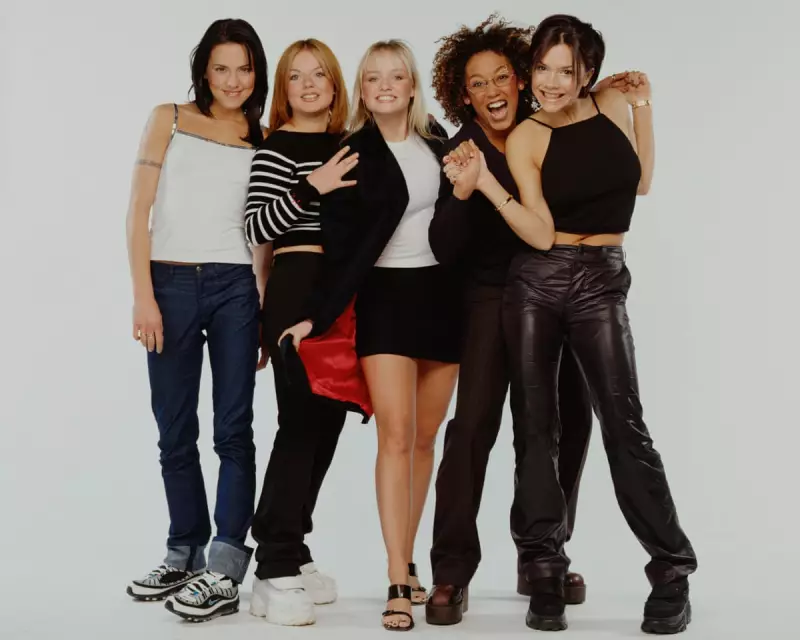
Nicknames occupy a unique space in human interaction, distinct from pet names shared privately between couples. When effective, a nickname can become so ingrained that it momentarily overshadows a person's real name, as exemplified by the iconic Spice Girls personas—Ginger, Scary, Sporty, Posh, and Baby—which arguably propelled them to global stardom. However, the politics of nicknaming are fraught with complexity, heavily dependent on timing and context. Bestowed by the right person at the right moment, a nickname can foster inclusion and warmth, but if introduced too hastily, it may come across as overfamiliar or intrusive, potentially damaging relationships.
Origins and Implications: From Royalty to Workplace Dynamics
Nicknames can stem from various sources: name-based adaptations like Queen Elizabeth's "Lilibet," personality traits such as David Bowie dubbing Kate Moss "Smasher," or circumstantial quirks, like Catherine, Princess of Wales, being called "Squeak" due to a school guinea pig. Some are simply humorous, like "Socket Man" for an electrician resembling Elton John. Yet, their use requires careful consideration. Research from Ivey Business School professor Zhe Zhang indicates that when managers assign nicknames to subordinates, it can undermine employees' sense of power and respect, perceived as a control tactic.

Real-world cases underscore the risks. A London lawyer faced fines and costs totalling £31,000 for dubbing colleagues offensive nicknames like "Mad Paul" and "Jabba the Hut." In another instance, a jewellery salesman awarded over £63,000 after being called "Gramps" by a younger colleague, highlighting how even seemingly affectionate terms can cross into workplace bullying under The Equality Act 2010.
Navigating the Nickname Landscape: Safety and Sensitivity
As a general guideline, it's prudent to reserve nicknames for close friends and family, exercising caution in professional settings. While the joy of crafting a clever nickname is undeniable, it should never override judgment about appropriateness and intimacy levels. In personal spheres, nicknames can strengthen bonds, but in workplaces, they demand restraint to avoid legal and emotional repercussions. Ultimately, whether a nickname is seen as harmless banter or harmful behaviour hinges on perspective, reminding us to tread lightly in this nuanced aspect of human connection.