Turkish Families Challenge Official 'Suicide' Verdicts in Daughters' Mysterious Falls
Grieving families across Turkey are confronting a disturbing pattern, challenging official rulings that label their daughters' deaths as suicides by falling from heights. They allege systemic failures in police investigations and prosecutorial oversight, suggesting many cases may conceal femicides or foul play.
'No Way She Would Have Jumped': A Father's Anguish
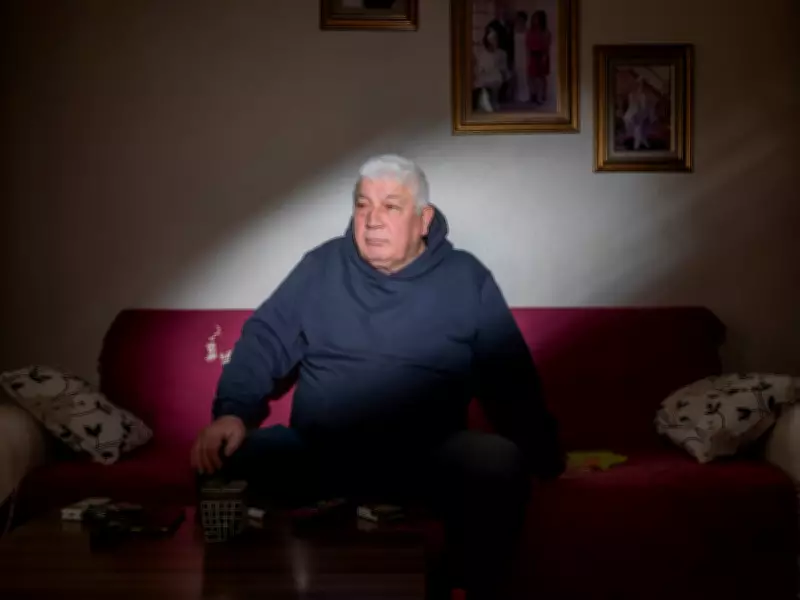
Abdullah Köker remains adamant about his daughter Şebnem's character. The 29-year-old nurse, with her distinctive fire-engine red hair, lived boldly but harbored a profound fear of heights. 'She wouldn't even step onto our third-floor balcony,' Abdullah recalls, sitting in their darkened İzmir apartment where a portrait of Şebnem still watches over the living room.
When police implied Şebnem had jumped from a hotel window during a 2019 trip to Istanbul, Abdullah was stunned. 'The police were guiding me to believe it was suicide,' he states, 'but they never provided any evidence.' What authorities initially omitted was that a man, commercial ship captain Timuçin Bayhan, was present in the hotel room that night.

Contradictions and Unanswered Questions
The investigation revealed troubling inconsistencies. Bayhan's accounts varied: initially claiming he was asleep in another room when he heard a thud, later suggesting Şebnem might have fallen while drunk. An autopsy confirmed significant alcohol in her blood, though friends testified she wasn't a heavy drinker.
Şebnem's childhood friend Nevraz Sığın, a lawyer who took up the family's case, discovered security footage showing the couple arguing outside the hotel. Police records included a video from the room showing blood spots and a torn fingernail in the bedsheet. 'This was a homicide,' a police officer friend told Abdullah after reviewing witness statements.
A National Pattern of Suspicious Falls
Şebnem's case reflects a broader national concern. Turkish government data records hundreds of women annually as having died by 'throwing themselves from a high place.' These now account for one in four female suicides, up from one in five a decade ago. Campaigners argue these statistics may obscure femicides.
Doctor and women's rights activist Gülsüm Kav, founder of We Will Stop Femicide, explains: 'Autopsies start at the crime scene: police must treat these cases as suspicious.' She suggests improved forensic techniques have led to a decrease in poisoning deaths but an increase in falls, which are harder to classify definitively.
Another Family's Parallel Struggle
The Yıldırım family shares a similar ordeal. Their daughter Aysun, 26, was found below her office building in 2018. Prosecutors insisted she had jumped 17 metres, pressuring her father İbrahim to sign a suicide declaration to release her body. 'The prosecutor wouldn't say why he thought it was a suicide,' İbrahim remembers.
Evidence gathered by lawyer Leyla Süren included DNA under Aysun's fingernails matching a client she had asked to stop contacting her, phone location data placing him near the scene, and a footprint on her office couch. Yet the case was initially closed as suicide before being reopened, only to stall during the pandemic.
Forensic Possibilities and Legal Hurdles
Campaigners point to forensic methods that could distinguish between falls and pushes. A 2019 conviction in the death of student Şule Çet came after a physics report proved she was pushed from a 20th-floor window. In Şebnem's case, Sığın requested a similar expert analysis, but the court denied it, relying instead on a mannequin test.
Bayhan was acquitted in 2022, with the court citing 'lack of concrete evidence' and Şebnem's intoxication. However, Turkey's highest appeals court later criticized the trial for failing to interview key witnesses and examine potential evidence tampering, recommending the physics report Sığın had sought.

Families in Limbo, Seeking Justice
Years have passed with little resolution. Abdullah remains in the apartment he shared with Şebnem, tending to her dog Pera, fearing that leaving for Canada might cause prosecutors to close the case. Sığın now works with We Will Stop Femicide, carrying crime scene photos on her phone but shielding Abdullah from them.
Hüsniye Yıldırım expresses a sentiment shared by many families: 'It feels like there is only justice for the powerful. Even if it comes late, justice must be served.' Both families continue their appeals, hoping for thorough investigations that acknowledge the possibility of gender-based violence behind these tragic falls.