A woman endured a harrowing quarter-century of enslavement in what a judge described as a "Dickensian" ordeal, confined to a squalid house in the British market town of Tewkesbury, Gloucestershire.
Decades of Captivity and Cruelty
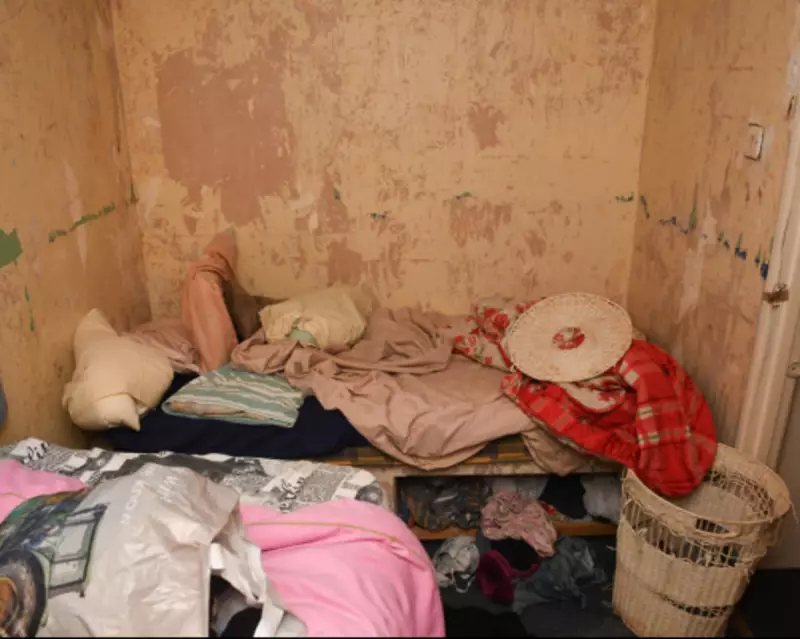
The victim, now in her 40s and with learning disabilities, was just 16 when she moved into Amanda Wixon's home in the mid-1990s for what was supposed to be a weekend stay. Instead, she remained trapped there until police intervened in 2021, living in appalling conditions with mould on the walls, plaster falling off, and rubbish strewn in the garden.
Systematic Abuse and Neglect
During her imprisonment, the woman was subjected to relentless abuse. She was regularly beaten by Wixon, 56, had washing-up liquid squirted down her throat, bleach splashed on her face, and her head repeatedly shaved against her will. Forced to live off scraps, she was denied proper food and could only wash secretly at night, leading to severe dental issues and poor hygiene shared by others in the overcrowded household.

Neighbours occasionally glimpsed her in the garden, with one describing her as "looking like something out of a concentration camp" and another noting she was just "skin and bone", having seen her hit with a broom. Police bodyworn footage revealed her as thin, timid, and fearful, with bruises, scarring, and calluses on her feet from constant cleaning on her hands and knees.
Legal Proceedings and Conviction
At Gloucester Crown Court, Amanda Wixon was found guilty of false imprisonment, requiring forced labour, and assault occasioning actual bodily harm. Judge Lawrie highlighted the "Dickensian quality" of the case, with sentencing scheduled for March. Prosecution barrister Sam Jones stated the victim had effectively "disappeared from society", with no medical, dental, or social services records for over two decades, underscoring her complete isolation.
Defence Claims and Prosecution Rebuttal
Edward Hollingsworth, for the defence, argued the prosecution case was a "tale of fantasy and lies", suggesting the household's squalor affected all residents, including Wixon's own children, who were unvaccinated, missed school, and had rotting teeth. He questioned why the house remained cluttered if the woman was used as a house slave, and noted she was on the electoral roll until 2022, with benefits agencies aware of her presence.
However, Gloucestershire Police countered that Wixon deprived the victim of money, claiming benefits for her since 2000 that were paid into Wixon's account, forcing her into poverty with hand-me-down clothes. The victim was made to serve meals, wash up, and sort laundry, and was forbidden from washing herself but forced to bathe Wixon's children.
Escape and Aftermath
The woman's ordeal ended in March 2021 when, feeling ill, she used a secret mobile phone to call for help, leading to police attendance. Detective Constable Emma Jackson praised her courage, stating, "Knowing all too well what the violent consequences would have been if she’d been caught, it was incredibly courageous of her."
Since her rescue, the victim has been living with a foster family, attending college, and going on holidays abroad. She still suffers nightmares and has a constant urge to clean, but has grown her hair as she always desired. Senior Crown Prosecutor Laura Burgess commended her strength, noting "the progress she has made since being removed from this oppressive environment."
Social Services Scrutiny
The case has raised serious questions about social services, which were involved with the family in the late 1990s but had no records of contact thereafter. Jones emphasised, "The fact remains that nothing was done by social services," highlighting a systemic failure that allowed the victim to vanish into a "black hole" for decades.
This shocking instance of modern slavery in a quiet English town underscores vulnerabilities in safeguarding and the enduring impact of such cruelty on survivors.