A father and daughter from New Jersey have pleaded guilty to orchestrating a sophisticated art counterfeiting operation that duped some of New York City's most prestigious galleries and auction houses out of at least $2 million over several years.
The Scheme Uncovered
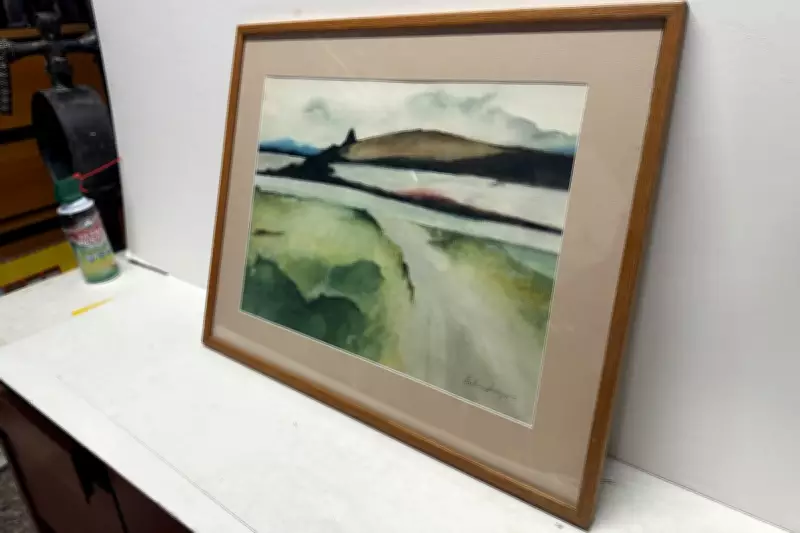
Karolina Bankowska, 26, and her father Erwin Bankowski, 50, admitted in federal court on Tuesday to charges of wire fraud conspiracy and misrepresenting Native American-produced goods. The pair, Polish citizens residing in New Jersey, commissioned a co-conspirator in Poland to forge at least 200 paintings mimicking the styles of renowned artists such as Banksy, Andy Warhol, and Richard Mayhew.
Prosecutors revealed that the forgeries were crafted using antique paper and fake gallery stamps, often bearing names of long-shuttered galleries to create plausible provenance. The most lucrative fake, attributed to artist Richard Mayhew, sold at DuMouchelles auction house for $160,000 in October 2024.

How the Deception Unfolded
The scheme began in 2020 when the duo started commissioning a Polish artist to produce the imitations. They then consigned the works to auction houses, including Bonhams, Phillips, Freeman's, and Antique Arena, presenting themselves as legitimate sellers. In one instance, Bankowska approached New York art dealer Robert Rogal with a painting allegedly by Andrew Wyeth, claiming it was a family heirloom. Rogal initially accepted the piece but later grew suspicious due to a "too clean" gallery stamp.
The fraud began to unravel in March 2023 when representatives for artist Raimonds Staprans flagged a forged painting titled "Triple Boats" that was listed for sale. Despite their concerns, the piece sold for $60,000.
Legal Consequences
Both defendants face up to three years in prison under federal sentencing guidelines, along with $1.9 million in restitution and potential deportation to Poland. In court, Bankowska admitted her conduct was wrong, while Bankowski apologized through a Polish interpreter, stating he made a terrible decision to support his family.
Erin Thompson, a professor of art crime at the City University of New York, noted that the case highlights the prevalence of forgeries in the art world. "The only unusual thing about this case is that the forgers got caught," she said. "People think of the art world as a genteel place, but you should assume there are a lot more fakes out there."
Rogal, who ultimately refused to list the Wyeth painting, reflected on the incident: "You try to do a service and provide it correctly. Can we be fooled? Absolutely."