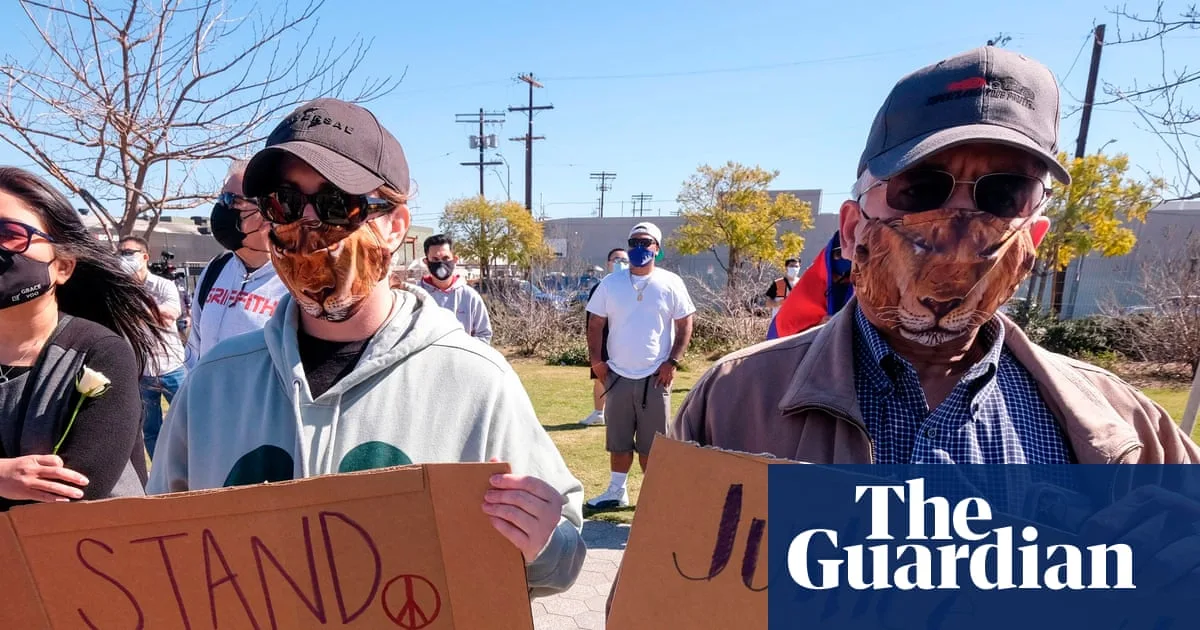
The 2021 killing of 84-year-old Vicha Ratanapakdee sent profound shockwaves through San Francisco, drawing national attention to the surge in violence against Asian Americans during the pandemic. Now, five years later, the case has resurfaced in headlines, sparking renewed controversy and debate over justice and racial bias.
Verdict and Sentencing Details
Last week, a jury in San Francisco delivered a verdict that has left many reeling. Antoine Watson, 24, was found guilty of manslaughter and assault, but the jury declined to convict him on charges of murder and elder abuse. Watson is set to return to court on Monday for a trial on aggravating factors, after which his sentencing will be scheduled, according to the San Francisco district attorney's office.
Under the current convictions, Watson could face up to four years in prison for assault, four years for manslaughter, with potential sentence enhancements adding an additional five years, as reported by the San Francisco Chronicle. The outcome has frustrated Ratanapakdee's family and some local officials, who argue it fails to reflect the severity of the crime.
Background of the Attack
Ratanapakdee, originally from Thailand, was on a morning walk near his home in the Anza Vista neighborhood when he encountered Watson. Security footage from the area showed Watson, then 19, suddenly run toward Ratanapakdee and shove him to the ground before fleeing. Ratanapakdee succumbed to his injuries in a hospital two days later.
Watson has consistently denied that the assault was racially motivated. In court earlier this month, he stated that he was experiencing personal challenges that morning, including a car crash, and described his actions as impulsive, driven by an emotional storm. He claimed he did not realize Ratanapakdee was older or Asian, believing the elderly man was judging him.
Rise in Anti-Asian Hate Crimes
The unprovoked violence occurred against a backdrop of escalating hate speech and harassment targeting Asian communities. During the pandemic, racist taunts like kung flu or China virus spread widely, exacerbating tensions.
Data highlights a disturbing trend:
- Anti-Asian hate crimes in the US increased by 77% from 2019 to 2020, according to the US Department of Justice.
- A study by the Center for the Study of Hate and Extremism found a 339% rise in hate crimes against Asian Americans between 2020 and 2021.
- Stop AAPI Hate documented over 11,400 hate incidents from March 2020 to March 2022, including non-criminal harassment.
In San Francisco, police data showed an alarming rise of 567% in reports of hate crimes against Asian Americans, jumping from nine in 2020 to 60 in 2021. Ratanapakdee's killing was part of a string of high-profile attacks that left the city's Asian communities on edge.
Community Impact and Responses
Alan Wong, a San Francisco supervisor, noted that many Asian seniors were targeted during this period, seen as vulnerable due to age and language barriers. He described Ratanapakdee's death as a turning point, symbolizing the Stop Asian Hate movement and inspiring collective action against hate.
Despite the context, prosecutors did not file hate crime charges, citing lack of evidence for bias. Mano Raju, a San Francisco public defender, expressed sympathy to the family but emphasized that the evidence pointed to impulsive actions rather than hatred.
However, Ratanapakdee's family maintains that race played a role, stating in a recent release: His death changed our family forever. It also sent a message of fear to many seniors, especially Asian American elders, who should be able to walk outside without fear.
Ongoing Concerns and Calls for Justice
Amid growing outrage over the verdict, figures like Garry Tan, CEO of Y Combinator, have urged the public to submit community impact statements to the court, stressing that Asian American lives matter and that elders deserve protection.
Wong added that while some fears have subsided post-pandemic, concerns persist, particularly after this ruling. Some people don't feel safe coming out to walk on the streets because they don't feel that they are going to get adequate justice or will be protected, he said, highlighting that this case represents a larger societal issue.
As the legal process continues, the Ratanapakdee case remains a poignant reminder of the challenges in addressing hate crimes and ensuring justice for vulnerable communities.