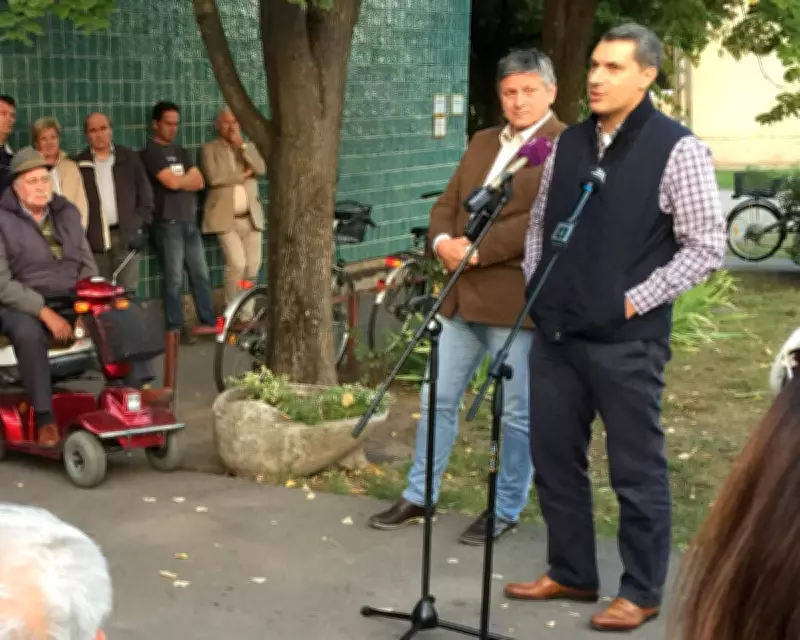
In a significant display of public discontent, thousands of demonstrators have taken to the streets across Hungary to protest against János Lázár, a key political figure, following his recent inflammatory remarks targeting the Roma community. The protests, which have drawn widespread attention, underscore deep-seated issues of racism and social division within the nation.
Background of the Controversy
János Lázár, a well-known Hungarian politician with a long history in public office, made statements that have been widely condemned as discriminatory and offensive towards the Roma population. His comments, delivered during a public address, have sparked outrage among human rights groups, minority advocates, and ordinary citizens alike, who view them as a dangerous escalation of anti-Roma sentiment in Hungary.
Scale and Impact of the Protests
The demonstrations have been notable for their size and intensity, with participants gathering in major cities such as Budapest, Debrecen, and Szeged. Protesters are calling for accountability, demanding that Lázár retract his statements and apologise, while also urging government action to address systemic discrimination against the Roma community. The rallies have been largely peaceful, but they reflect growing frustration over the persistence of hate speech in political discourse.

Reactions from Stakeholders
In response to the uproar, various organisations have voiced their concerns. Human rights watchdogs have issued statements condemning Lázár's remarks as a violation of basic dignity and equality principles. Meanwhile, political opponents have seized on the incident to criticise the government's handling of minority issues, arguing that such rhetoric undermines social cohesion and democratic values.
The Roma community itself has expressed feelings of marginalisation and fear, with leaders highlighting how such comments can fuel real-world discrimination and violence. This protest movement is seen as a pivotal moment in Hungary's ongoing struggle to combat racism and promote inclusivity.
Broader Implications for Hungarian Society
This incident is not isolated; it occurs against a backdrop of rising nationalism and xenophobia in parts of Europe. In Hungary, the Roma population, one of the largest minority groups, has long faced economic hardship, social exclusion, and prejudice. The protests against Lázár are thus viewed as a broader call for change, pushing for stronger legal protections and cultural shifts to ensure equal rights for all citizens.
As the situation develops, observers are watching closely to see how Hungarian authorities will respond. Will there be official censure or policy reforms, or will the controversy fade without substantive action? The outcome could have lasting effects on Hungary's political landscape and its reputation on the international stage.