The Shocking True Story Behind Cocaine Bear
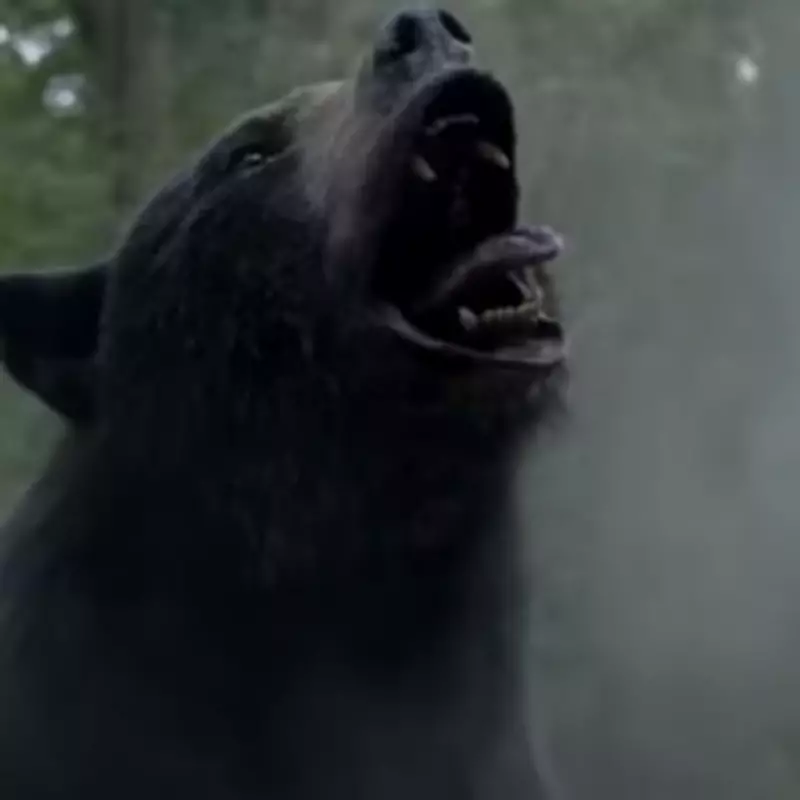
In a bizarre and tragic incident that has captured public imagination for decades, a 200-pound black bear met a horrifying end after consuming approximately 40 kilograms of pure cocaine. This extraordinary case, which inspired the recent film Cocaine Bear, reveals a dark chapter in American drug smuggling history.
A Mammoth Overdose
The medical examiner who conducted the necropsy provided chilling details about the bear's condition. "Its stomach was literally packed to the brim with cocaine," he explained. "There isn't a mammal on the planet that could survive that."
The bear suffered multiple catastrophic health failures including:

- Cerebral hemorrhaging
- Respiratory failure
- Hyperthermia
- Renal failure
- Heart failure
- Stroke
Dubbed Pablo EskoBear or Snow Bear by locals, the enormous animal had ingested approximately 90 pounds of the pure substance.
The Bluegrass Conspiracy Connection
The incident occurred in 1985 during what became known as the "Bluegrass Conspiracy" era, named after Sally Denton's investigative book. The central figure was Andrew Thornton, a former narcotics officer who had turned drug lord.
Thornton had been piloting a drug run from Colombia when he bailed out of his aircraft mid-flight over the United States. Before abandoning the plane, he had stashed 40 plastic containers filled with cocaine in Chattahoochee National Forest.
Tragically, Thornton became entangled in his parachute and plummeted to his death in Knoxville, Tennessee. When law enforcement officers retraced his path through the forest, they anticipated discovering a drugs haul valued at $15 million (£11 million).
The Grisly Discovery
Instead of finding intact containers, investigators encountered 40 opened packages and one deceased black bear. Remarkably, officials did not report any threatening or destructive behaviour by the cocaine-fuelled bear prior to its death, suggesting the animal had consumed the substance without engaging in violent rampages often depicted in fictional accounts.
It is also believed that no person made off with the remainder of Thornton's smuggled booty, with the bear consuming only a portion of the total stash.
From Death to Display
Following the post-mortem examination, the bear was preserved through taxidermy and embarked on a remarkable journey through numerous different owners. The bear's provenance allegedly includes country and western singer Waylon Jennings among its temporary custodians.
Local business Kentucky for Kentucky eventually traced the bear's whereabouts across the country. When they located the preserved remains, the bear had been deceased for approximately one month. The duo installed it at the Kentucky Fun Mall in north Lexington, where it remains on display today, with visitors still queuing to see the unusual attraction decades later.
A Broader Smuggling Operation
The cocaine-consuming bear was unlikely to have been the sole victim of Thornton's drug operations. Investigators discovered many more duffel bags crammed with drugs that Thornton had dumped throughout rural Georgia and Tennessee before his death in 1985.
Following Thornton's demise, authorities determined that he and his associates had smuggled approximately 880 pounds of cocaine into the United States, highlighting the scale of the operation that inadvertently claimed the bear's life.
From Tragedy to Television
The story has now been adapted into the film Cocaine Bear, which airs on Channel 4. The production brings this extraordinary true story to a new generation, blending elements of dark comedy with the shocking reality of this unusual wildlife tragedy.
This bizarre intersection of wildlife, drug smuggling, and American folklore continues to fascinate audiences, serving as a stark reminder of the unintended consequences of criminal enterprises on the natural world.