Narco Influencers Amplify Cartel Propaganda Following El Mencho's Death
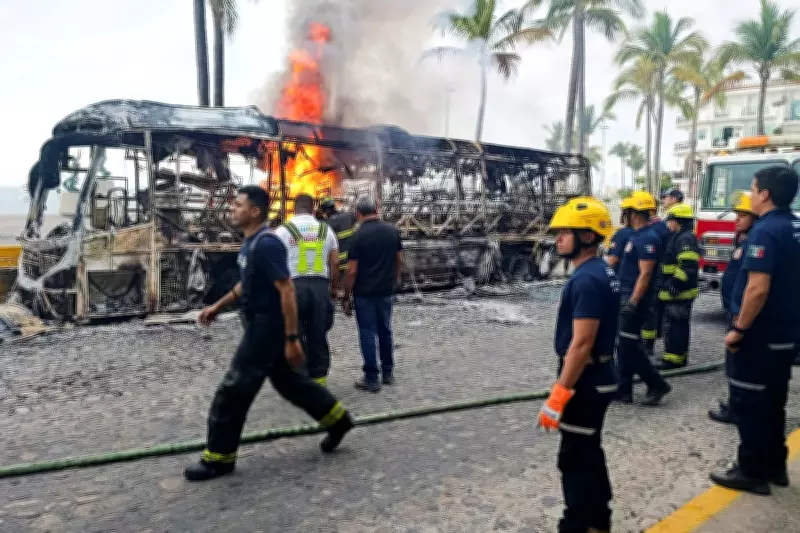
The killing of Mexico's most wanted cartel leader, Nemesio Oseguera Cervantes known as "El Mencho," on Sunday 22 February 2026 sparked immediate physical unrest across several regions. Loyalists from his Jalisco New Generation Cartel responded with roadblocks, vehicle arson, and attacks on petrol stations. However, this tangible chaos was dramatically amplified through a sophisticated online propaganda campaign that spread false accounts of spectacular violence across social media platforms.
Coordinated Digital Disinformation Campaign
Online, the situation appeared catastrophically worse than reality. Debunked reports claimed the Guadalajara airport had been seized by assassins, with a plane ablaze on the runway, while false images showed smoke billowing from a church and multiple buildings in Puerto Vallarta. Despite Reuters verification proving these images false, they were shared tens of thousands of times across various platforms, creating a perception of nationwide chaos.
Jane Esberg, assistant professor at the University of Pennsylvania who studies how Mexican criminal groups use social media, explained: "They are trying to show that the Mexican government doesn't have control over the country." She added that this deliberate strategy helped create a narrative that the cartel maintained presence throughout Mexico while obscuring the actual scale of violence and challenges facing security forces.

Government Response to Cartel-Linked Misinformation
When questioned about cartel-linked social media accounts pushing fake news, Mexican Security Secretary Omar Garcia Harfuch confirmed on Monday that authorities had already identified "various accounts" and would conduct deeper investigations to determine which maintained "direct relationships with an organized crime group." He acknowledged additional accounts "dedicated to spreading lies" without established criminal links.
Mexican President Claudia Sheinbaum stated authorities were working rapidly to refute misinformation, noting "many, many fake news stories" circulated following El Mencho's killing. This official recognition highlights the growing challenge of digital disinformation in conflict reporting.
Evolution of Cartel Propaganda Tactics
Mexican cartels have long utilized social media for propaganda efforts, ranging from slandering rivals to publicizing community initiatives like pandemic aid distribution. Traditionally, false material employed by criminal groups remained relatively low-tech, featuring recycled cartel videos from previous years or violent images from distant international conflicts.
However, the emergence of AI-generated content has enabled cartels to produce more creative and convincing fake news propaganda. Simultaneously, the rise of narco influencers – social media personalities who build large followings to glorify and promote organized crime – has opened additional propaganda avenues in recent years.
Challenges in Combating Cartel Disinformation
Such misinformation campaigns prove particularly damaging in Mexico, where widespread violence restricts journalists' ability to access regions for ground reporting and fact verification. Esberg noted this environment makes distinguishing truth from fiction exceptionally challenging.
Pablo Calderon, associate professor in politics and international relations at Northeastern University London, observed: "Sunday was a good day for Mexican security forces. But organized crime has been successful in shifting the narrative, away from the military raid to chaos." He emphasized cartels use social media to amplify their image, project power, and shape public opinion through systematic misinformation.
Experts caution that determining with certainty which accounts or blogs maintain cartel ties remains difficult, complicating efforts to counter this digital threat. The coordinated response following El Mencho's death demonstrates how criminal organizations have evolved their propaganda capabilities, leveraging both technological advancements and social media influence to undermine government authority and exaggerate their reach.