Government Launches £7 Million 'Best and Brightest' Police Recruitment Drive
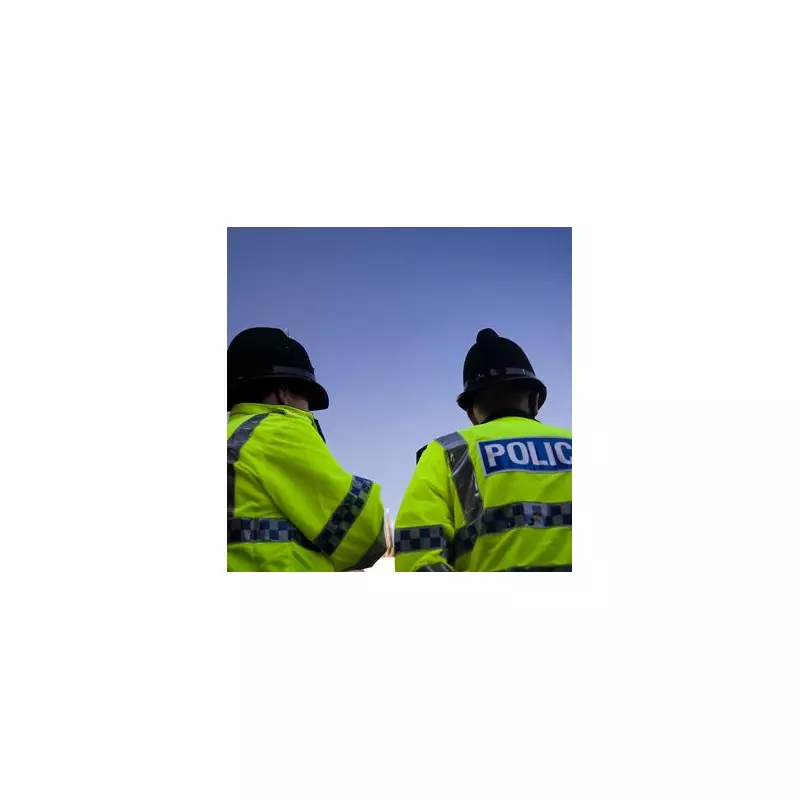
The Government has announced a significant investment of £7 million aimed at recruiting the 'best and brightest' university graduates into neighbourhood policing roles across England and Wales. This initiative is part of a broader strategy to drive down crime and enhance community safety, with plans to hire 280 of these graduate officers by March.
Focus on Anti-Social Behaviour and Community Policing
Officials have revealed that half of the new recruits will be specifically tasked with tackling anti-social behaviour, which has long been a blight on communities affecting millions of residents. This move comes as the Home Office reports that an additional 2,400 neighbourhood officers have been deployed in the past six months, building towards a commitment by Keir Starmer to have 3,000 in place by March and up to 13,000 by the end of the current Parliament in 2029.
Policing Minister Sarah Jones emphasised the urgency of this recruitment drive, stating: "For too long, criminals have run riot in our communities with no punishment. We must attract the brightest and best to join police forces so we can step up the fight against crime." She highlighted that the investment is designed to enable forces to recruit top graduates who can help catch more criminals and protect local areas.

Major Policing Overhaul and Accountability Measures
This recruitment effort is set against the backdrop of what the Government has dubbed the biggest policing shake-up in history, to be unveiled by Home Secretary Shabana Mahmood on Sunday. Key reforms include giving the Home Secretary the power to sack chief constables, a change prompted by recent frustrations over accountability, such as the case involving West Midlands Police chief Craig Guildford.
Under the new plans, every neighbourhood will have named, contactable officers, and each police force will appoint a dedicated anti-social behaviour lead. Additionally, forces will be required to publish online dashboards displaying performance metrics on priorities like 999 response times, neighbourhood team sizes, and crime-solving rates. Ms Mahmood commented: "The police are the public, and the public are the police. It is essential that the people can determine what they expect from their forces."
Broader Reforms and Expert Recommendations
The white paper, expected next week, is described as the largest reforms since the police service was founded two centuries ago. It proposes reducing the number of police forces in England and Wales from 43 to 12, a move supported by the National Police Chiefs’ Council to improve efficiency. The Home Secretary will also gain powers to send in specialist teams to turn around underperforming forces and draft experts from top-performing constabularies to drive up standards.
In a related development, a report from the Tony Blair Institute has called for radical changes, including the creation of a UK-wide police force focused on organised crime, cybercrime, and terrorism, alongside a national digital forensics agency and country-wide facial recognition technology. Ryan Wain, senior director at the think-tank, argued: "Criminals do not respect force boundaries. Neither should core policing capability."
Enhanced Vetting and Officer Conduct Standards
The reforms also introduce stricter vetting procedures for new police recruits. Individuals with a caution or conviction for violence against women and girls will be barred from joining the force. Furthermore, stronger requirements will be implemented to suspend officers accused of crimes, ensuring higher standards of conduct and accountability within the police service.
These measures are part of a comprehensive effort to restore public trust and improve policing effectiveness, as the Government seeks to address long-standing issues of crime and community safety through innovative recruitment and structural changes.