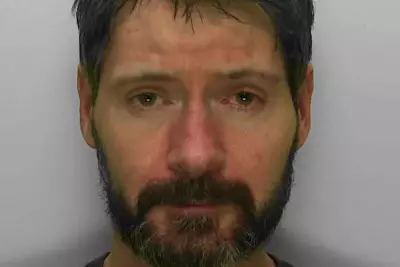
In a significant development for one of Britain's longest-running murder investigations, detectives have launched a fresh probe into the 1996 killing of Melanie Hall, harnessing artificial intelligence technology in a bid to finally snare her killer.
Decades-Long Mystery
Melanie Hall, a 25-year-old psychology graduate, vanished after a night out at Cadillacs nightclub in Bath on June 9, 1996. Her remains were discovered thirteen years later in October 2009, wrapped in bin bags and rope near a sliproad onto the M5 motorway near Thornbury, Gloucestershire. The case has remained an open and active investigation for nearly three decades, involving over 400 officers under the codename Operation Denmark.
Digital Transformation of Evidence
Avon and Somerset Police have initiated what they describe as a "root and branch" review of the entire case. This comprehensive process involves digitising the contents of 90 crates of physical evidence, transforming paper records, photographs, and documents into searchable digital formats. The digitisation enables detectives to apply advanced analytical tools, including artificial intelligence, to vast datasets that were previously cumbersome to cross-reference manually.

Detective Chief Inspector Ben Lavender, leading the cold case team, emphasised the potential of emerging technologies. "With the advancements in AI in the coming years, I am sure it will give us another way of looking into the data that we have got again in intelligent ways," he stated. "I'm hoping that by having all the information on the systems on computer will allow us to do those checks again."
Narrowing the Suspect Pool
Through meticulous re-examination, investigators have whittled down a pool of under 100 "persons of interest" to fewer than 20 key potential suspects. Officers are currently re-interviewing alibi witnesses to verify their original statements and identify any inconsistencies that may have emerged over time.
The review includes re-analysing at least 96 hours of CCTV footage from the period. Specialist officers will examine this footage for any previously missed sightings of Melanie or of 36 vehicles now linked to the narrowed suspect list. DCI Lavender confirmed that while human analysts will conduct initial searches, the use of AI to scan footage remains a strong possibility.
Forensic Advances and Key Exhibits
Melanie's body was found naked and tightly bound in bin bags secured with a 13-metre length of blue nylon rope. She had suffered a fractured skull and other facial injuries, indicating a violent assault. The removal of her clothing and the method of disposal suggest a forensically aware perpetrator.
A partial DNA profile has been recovered from the rope and bin bags. A contemporary forensic review is now re-examining these key exhibits using modern techniques that were unavailable in 1996 or 2009. "Both of those are key exhibits for us to look at exploiting all the new technology out there to see what could be found on them," DCI Lavender explained.
The Nightclub Sighting
On the night she disappeared, Melanie was last seen by a friend at approximately 1.10am sitting on a stool near the dancefloor. She had been left alone after her boyfriend and another couple departed. A witness reported seeing a woman matching Melanie's description around 1.20am, chatting to a tanned man in a brown silk shirt, black trousers, and black shoes. The woman left at 1.45am with the man following her upstairs to the exit.
Police have issued a newly colourised version of an e-fit from the original investigation and are appealing for this man to come forward. He was described as white, in his mid to late 20s, approximately 5ft 10in tall, of medium build, with dark brown hair and eyes, clean-shaven, and "very smart looking."
Notable Persons of Interest
Among those considered is convicted double murderer Christopher Halliwell, currently serving a whole life sentence for the murders of Sian O'Callaghan and Becky Godden Edwards. Halliwell abducted both victims from outside nightclubs in Swindon, approximately 27 miles from Bath. The victims were young women, stripped, and dumped in rural locations, suffering brutal head injuries—similarities noted in Melanie's case.

However, DCI Lavender stressed that Halliwell is "not a strong line of inquiry" and is being considered alongside all other relevant individuals. "He's a person who's killed in close proximity so we are considering all people who would be relevant to the investigation," he clarified.
Appeal for Public Assistance
As the investigation approaches the 30th anniversary of Melanie's murder, police are making a renewed public appeal. Detectives believe that a former girlfriend, friend, or flatmate of the killer may be harbouring crucial information. They are urging anyone who witnessed suspicious behaviour on the night, or who has knowledge of the events, to come forward.
In a direct message to the perpetrator, DCI Lavender warned: "We are still investigating this and how this plays out now for the killer is really down to them. If they want to control the narrative and have those conversations with their loved ones and their family before we come knocking on their door then they've got that opportunity."
Melanie, who was working a temporary clerical job at the Royal United Hospital in Bath and living with her parents in Bradford-on-Avon, has been described as a vibrant young woman whose life was tragically cut short. The ongoing determination of Avon and Somerset Police reflects a commitment to achieving justice for Melanie and her family, leveraging every technological and investigative advancement available.