In a remarkable scheduling coincidence, British television viewers are being presented with two separate documentary examinations of the same notorious murder case within just forty-eight hours of each other. This unusual programming overlap highlights the enduring public fascination with one of Northern Ireland's most disturbing criminal stories.
A Curious Case of Competing Broadcasts
A former newspaper editor once described what he termed 'the law of carrots'. This principle suggested that if a headline about carrots appeared on the front page, another carrot-related story would inevitably surface on page five. This curious pattern appears to have found a parallel in television scheduling this week.
Tomorrow evening, ITV will broadcast the true crime documentary Killer In The House, which investigates the 1991 murders of Lesley Howell and Trevor Buchanan. This transmission comes just two days after BBC2 commenced its own two-part series, Confessions Of A Killer, which meticulously dissects the very same case. The simultaneous focus from two major broadcasters on a single historical crime is an uncommon occurrence in British television.

Complementary Perspectives on a Chilling Crime
Fortunately for audiences, the two programmes do not merely duplicate each other but instead offer complementary viewpoints that together create a more comprehensive picture. The ITV production features exclusive interviews with relatives and friends of the victims, providing a poignant human perspective on the tragedy and its lasting impact.
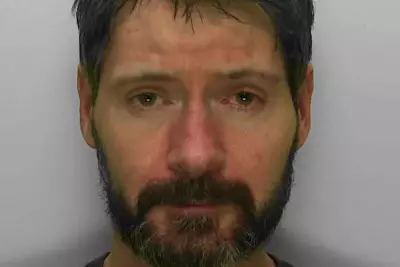
Meanwhile, the BBC documentary takes a different approach, centering its narrative around previously unheard audio recordings from dentist Colin Howell's police interview. In these extraordinary tapes, Howell calmly admits to murdering his wife, Lesley Howell, and his lover's husband, Trevor Buchanan, before meticulously staging their deaths to appear as a joint suicide pact.
The Extraordinary Confession Tapes
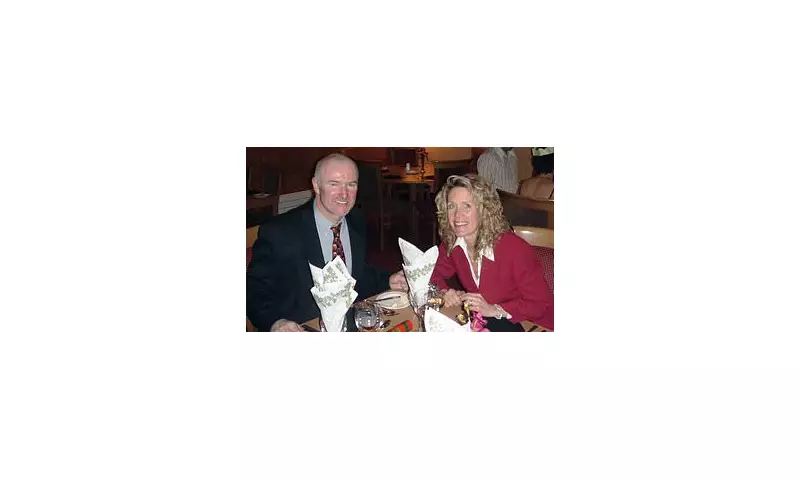
The audio evidence forms the chilling core of the BBC's investigation. Howell and his mistress, Hazel Buchanan, successfully evaded justice for eighteen years following the 1991 murders, despite their affair being widely known within their Baptist church community in Coleraine, Northern Ireland.
In 2009, apparently tormented by his conscience, Howell voluntarily walked into a police station and delivered a detailed confession. He described how he drugged both victims unconscious in their beds, then used a hosepipe to pump car exhaust fumes over their faces. Afterwards, he dressed the bodies, posed them together in a car within a garage to simulate a suicide pact, and then cycled home on his bicycle.
The interviewing officer's incredulity is palpable throughout the recordings, with him repeatedly asking Howell if he was 'one hundred per cent certain' these events had actually occurred. Although the fifteen-year-old audio is sometimes muffled and requires subtitles for clarity, the content remains profoundly disturbing.
A Chillingly Rational Killer
What makes these confession tapes particularly compelling is not merely what Howell admits, but how he expresses himself. His tone remains calm and amiable throughout, his speech articulate and emphatic. He presents his horrific actions with an unsettling rationality, almost as if the confession serves to convince himself that his deeds, while illegal, were somehow reasonable and necessary.
At one point, Howell suggests: 'I would propose that anybody involved in an affair would naturally consider they might be better off without their current partner. I genuinely believe thoughts of murder are immediately connected to that situation. As I mentioned previously, not everyone acts upon those thoughts.'
These words would be chilling enough coming from a fictional psychopath in a crime novel. To hear them spoken with such calm deliberation by a father of four and a lay preacher from his local church is nothing short of breathtaking.
Justice Served After Eighteen Years
Colin Howell was ultimately sentenced to life imprisonment with a minimum term of twenty-one years. Hazel Buchanan, who had no prior knowledge of her former lover's decision to confess, denied murder but was also given a life sentence. She will not be eligible for release on licence before 2029.

The complete narrative is so dark, strange, and psychologically complex that viewers may find they need to watch both the BBC and ITV accounts to fully comprehend its disturbing dimensions. This rare instance of competing documentaries on the same subject offers television audiences an unprecedented opportunity to examine a notorious crime from multiple perspectives, revealing new layers of understanding with each viewing.