The tragic death of a young Canadian backpacker on K'gari island has revealed heartbreaking new details about her final moments. Piper James, a 19-year-old adventurer from Campbell River, British Columbia, was discovered unresponsive on Seventy Five Mile Beach early Monday morning, surrounded by ten dingoes.
Searching for Connection in Remote Location
According to local residents who have spoken with Piper's father, Todd James, the teenager had likely ventured to the beach around 5am in search of mobile phone reception to call her parents. This was a common practice on K'gari, where phone coverage remains patchy away from the shoreline. Piper reportedly maintained a daily routine of contacting her family at the same time each day during her travels.
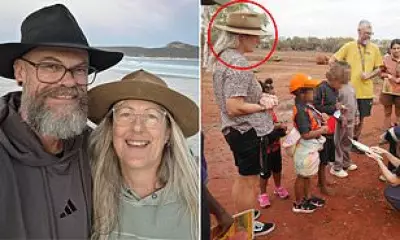
Kev and Adele, a Brisbane couple who run the travel blog Indefinite Leave and have lived on K'gari for four years, shared their conversation with Piper's father. They revealed that Todd described his daughter as "adventurous" and said she "absolutely loved the island and the people."

Coroner's Findings and Ongoing Investigation
The Coroners Court of Queensland has released preliminary findings indicating that physical evidence points toward drowning as the likely cause of death. While dingo bites were discovered on Piper's body both before and after her death, these injuries were determined not to be fatal. Investigators documented extensive post-mortem bite marks and confirmed there was no evidence suggesting any other person was involved in the incident.
Further testing is currently underway to determine exactly how water entered Piper's lungs, with final results expected within several weeks. The coroner's report specifically noted that the dingo bites occurred before she most likely drowned, though conclusive determination of her exact cause of death requires additional analysis.
Travel Companions and Family Devastation
Piper had been travelling around Australia for six weeks alongside her best friend, Taylor, visiting Sydney, Cairns, and the Whitsundays before arriving on K'gari. Taylor's mother, Marjorie Stricker, expressed the profound devastation felt by both families.
"When the girls first left for Australia, we told them to always call, that there were no problems we couldn't face together, and that safety was the most important thing," Ms Stricker stated. "This isn't how this was meant to play out. What has happened cannot be undone. It cannot be fixed."
She added that Piper and Taylor had been close friends since childhood and shared a long-held dream of visiting Australia together. The family has since launched a GoFundMe campaign to raise funds to bring Piper home, which had reached nearly $19,000 by Sunday afternoon.
Authorities Respond with Dingo Management Decision
In response to the tragic incident, Queensland's Department of Environment, Tourism, Science and Innovation announced on Sunday that the pack of dingoes involved would be "humanely euthanised." A department spokesman explained that rangers had closely monitored the animals following the incident and observed continued aggressive behaviour.
"Following the initial autopsy findings, this pack's involvement in the incident, and observations since, the pack has been deemed an unacceptable public safety risk," the spokesman stated.
Queensland Environment and Tourism Minister Andrew Powell supported the difficult decision, stating, "This is a tough decision but I believe it's the right call in the public interest."
Heightened Warnings and Tourism Debate
Authorities had issued warnings about "heightened dingo activity" in the area weeks before Piper's death, following multiple reports of dingoes ripping tents, approaching campers, and stealing food and belongings. This warning remains in place until 31 January, with rangers stepping up patrols across the island.
Despite the tragedy, Queensland Premier David Crisafulli has ruled out limiting tourism to K'gari. However, the Butchulla Aboriginal Corporation and several environmental groups continue to advocate for visitor caps, citing both safety concerns and the need to protect the island's fragile environment.

Dingoes, known as Wongari to the Butchulla people, hold significant cultural importance in the region, adding complexity to conservation and management discussions following this devastating incident.