Charges Dropped Against Woman in Anti-ICE Church Protest Due to Mistaken Identity
Federal prosecutors have dropped criminal charges against a woman accused of participating in a controversial January protest at a Minnesota church, after it was revealed she did not attend the event at all. The case highlights issues of mistaken identity and prosecutorial oversight in high-profile demonstrations.
Background of the Case
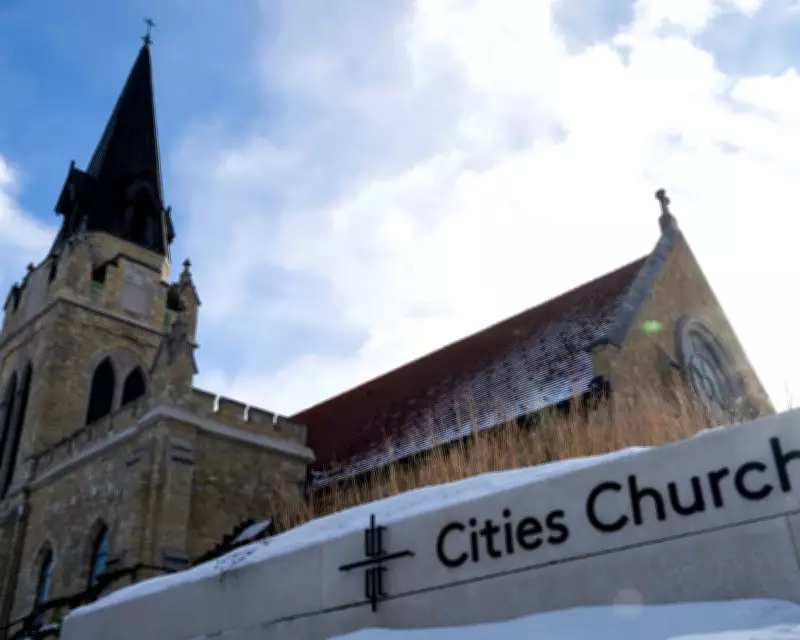
Heather Danae Lewis was one of 30 individuals charged in connection with an anti-Immigration and Customs Enforcement (ICE) protest that disrupted a service at Cities Church in St. Paul, Minnesota. The protesters were accused of civil rights crimes, allegedly interfering with the congregation's right to exercise their religious beliefs. Notably, journalist Don Lemon, who was reporting on the protest, was among those charged, adding media attention to the case.
Evidence and Mistaken Identity
Charging documents filed in February claimed Lewis was part of a group that gathered in the parking lot of a Cub Foods supermarket for a "pre-operation briefing" before the protest. The documents further alleged she entered the church and participated in chants. However, her lawyer, Brock Hunter, presented evidence that Lewis was in the Cub Foods parking lot coincidentally to pick up items won at an auction, not to join the protest.

Hunter suggested prosecutors might have targeted Lewis based on cellphone data that placed her in the parking lot at the same time, combined with a resemblance to a woman seen in protest videos. This led to a clear case of mistaken identity, prompting the dismissal of charges.
Legal Proceedings and Judicial Criticism
Prosecutors moved to drop the charges "with prejudice," meaning they cannot be refiled, ensuring Lewis is cleared of any legal jeopardy. In a statement, Lewis expressed relief, saying, "I am glad this simple case of mistaken identity is finally coming to an end for me, and I am happy that my family no longer has to worry that I could be arrested again at any moment. This has been a stressful time for my family."
The case had been touted by the Trump administration's justice department, but Magistrate Judge Douglas Micko criticized the department for delays in turning over discovery materials. In a recent ruling, he wrote, "Here we are, months into a case that the government had an intense appetite to initiate, but cannot seem to keep up the pace when it comes to discovery obligations. This is unacceptable," highlighting procedural shortcomings in the prosecution.
Broader Implications
This incident raises questions about the use of technology and data in identifying protest participants, as well as the potential for errors in high-stakes legal actions. It also underscores the challenges faced by individuals caught up in politically charged cases, where swift prosecution can sometimes outpace thorough investigation.
The dropping of charges against Lewis serves as a reminder of the importance of due process and accurate evidence in the justice system, particularly in cases involving civil rights and public demonstrations.